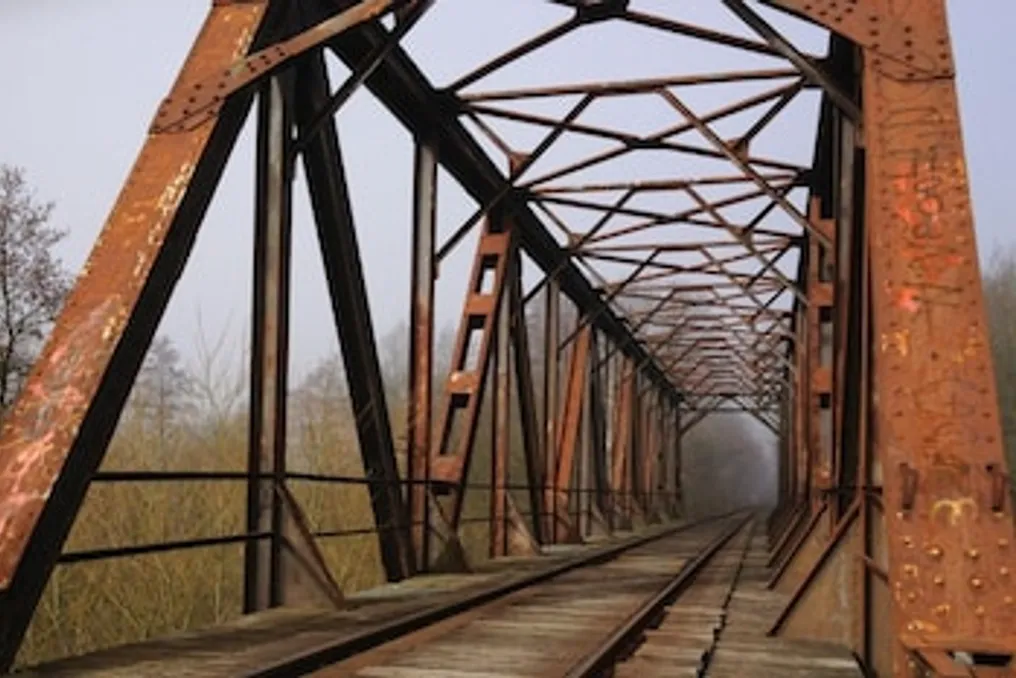
According to the report, corrosion leads to an annual loss of approximately 4.3 percent of India's gross domestic product (GDP), amounting to about 180 billion US dollars or 14.1 trillion rupees. The most affected sectors are transport, infrastructure, energy, and telecommunications, as indicated in the study by Nomura Research Institute (NRI).
The report, titled 'Built to Last: Adopting Global Best Practices to Reduce Corrosion Losses in India's Infrastructure,' establishes that the global average GDP loss due to corrosion is 3.4 percent. It also notes that implementing effective corrosion management methods can boost India's GDP by approximately 1.5 percent, equivalent to a potential annual saving of nearly 63 billion US dollars (5 trillion rupees).
The document argues that corrosion should be viewed not merely as an engineering problem but as an economic and political issue, especially considering India's increased investment in road networks, railways, housing, renewable energy, and other public infrastructure.
These findings come against the backdrop of India becoming one of the world's largest fast-growing economies. In the 2026 fiscal year, the country's GDP reached about 4.2 trillion dollars, supported by an annual economic growth rate of 6–7 percent over the last decade. The government aims to become a $5 trillion economy soon and reach $30–40 trillion by 2047 under the Viksit Bharat concept.
Infrastructure in Focus
The report identifies infrastructure as one of the sectors most susceptible to losses related to corrosion. It points out that design and procurement methods in India continue to prioritize initial construction costs over long-term asset performance. Corrosion increases maintenance expenses, shortens the lifespan of public assets, and raises replacement costs. As India accelerates investments in roads, railways, urban infrastructure, renewable energy, and housing, improving asset durability can significantly reduce long-term economic losses.
Multiple Sectors Affected
In addition to infrastructure, the report names the energy, telecommunications, and railway sectors as most vulnerable to corrosion losses, due to their reliance on capital-intensive steel structures and extensive physical networks. The power generation and transmission sector shows the highest intensity of corrosion, with estimated losses at 10.1 percent of sectoral GDP. The report emphasizes that the expansion of renewable energy capacity, power lines, and auxiliary infrastructure makes more robust corrosion protection critical for enhancing asset lifespan and reliability.
In the telecommunications sphere, it is noted that over 813,000 telecom towers operate in India, supporting 2.948 million base stations. Although Indian standards require zinc coating for main structural elements, the report recommends extending corrosion protection to auxiliary components and introducing periodic inspection regimes to enhance tower longevity.
For Indian Railways, the report estimates annual corrosion losses at 3 billion US dollars (23,788 crore rupees) and advises shifting from periodic repainting to durable corrosion protection systems. It asserts that preventive maintenance and improved material selection can extend asset life and reduce maintenance costs over time. The report also covers buildings, roads, bridges, and the automotive sector, insisting on the need to evolve engineering standards and maintenance practices alongside the expansion of India's infrastructure base.
What Can Be Done?
The report not only documents losses but also offers several recommendations for reduction. Given India's goals for rapid infrastructure development and long-term economic growth, the document concludes that increasing focus on asset durability and preventive corrosion management will be crucial for minimizing economic losses and maximizing the return on public investment.