In the Western Cape province, July 2026 saw minimal rainfall in many areas, with several weather stations recording the driest July since observations began, reports Cape Town Etc.
In the Western Cape province, July 2026 saw minimal rainfall in many areas, with several weather stations recording the driest July since observations began, reports Cape Town Etc.
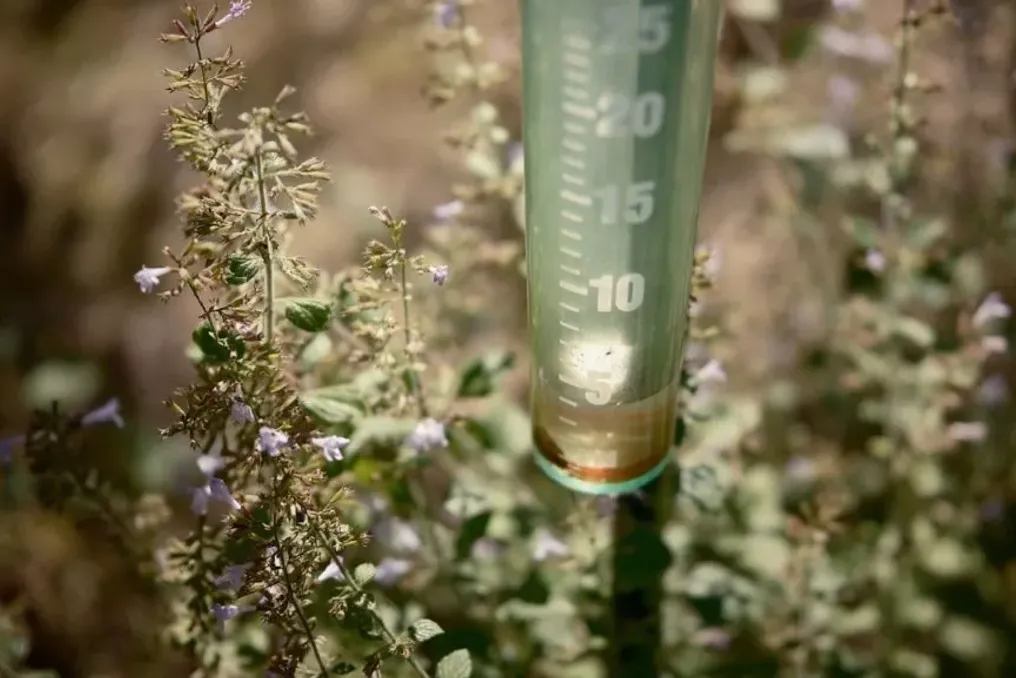
According to the South African Weather Service (SAWS), Cape Town International Airport received only 14.4 mm of precipitation for the month, the lowest July figure recorded there since 1958. These data highlight an unusually dry winter in the southwestern Cape, where most annual rainfall typically occurs between June and August.
SAWS stated that a persistent Atlantic high-pressure system directed cold fronts further south of the province, allowing only three weak systems to reach the land in July. The 14.4 mm figure at Cape Town International Airport surpassed the previous July record of 18.0 mm, set in 1987. Other stations also reported record low values.
For instance, the SA Observatory station registered 15.6 mm, the lowest July rainfall in 91 years, while Malmesbury recorded only 3.2 mm, a minimum in 33 years. Kirstenbosch received 65.0 mm, the lowest July figure in 29 years; Germunus recorded 12.0 mm, the lowest in 21 years; and Paarl registered 27.6 mm, setting a new record in 17 years.
SAWS reported that preliminary rainfall data indicates that several stations experienced the lowest July rainfall since the start of records or exceeded previous records. The meteorological service noted that the seasonal forecast indicated a strong signal for below-average rainfall for the southwestern Cape during the winter period. Furthermore, short-term forecasts suggest this trend is likely to continue into the first week of August.
SAWS also warned that the intensification of the El Niño phenomenon could increase the probability of a warmer than usual summer in the Western Cape. Given the uncertainty regarding winter rainfall for 2027, the service urged residents to conserve water in the coming months. This dry spell followed several strong weather systems that affected parts of the Western Cape in May and early June, which significantly improved reservoir levels across most of the province before rainfall weakened later in the winter.
You don't need to book a week of vacation to experience some of South Africa's most impressive protected landscapes. The Western Cape boasts national parks where you can leave after breakfast, spend the day hiking, wildlife spotting, or enjoying coastal scenery, and be back home before dinner. Other parks offer the option of an overnight stay, making them ideal for a spontaneous weekend trip.
Whether you aim to see mountain vistas, indigenous forests, dramatic coastlines, or a chance encounter with wildlife, these national parks demonstrate that a quick immersion in nature is often closer than you think. The Western Cape's national parks offer some of the most accessible outdoor adventures in South Africa, suitable for both day trips and weekends.
For Cape Town residents, this park is the perfect 'backyard' wildlife escape. It stretches from Signal Hill through the iconic Table Mountain plateau to the Cape of Good Hope, offering wonderful biodiversity within easy reach of the city. You can spend the morning climbing Lion's Head, strolling through the fynbos at Platteklip Gorge, exploring the beaches around False Bay, or dedicating a full day to the Cape of Good Hope and Cape Point.
Among the animals spotted, you might encounter Chacma baboons, ostriches, eland, bontebok, and mountain zebra in certain areas, while the coast provides opportunities for whale watching during migration season. Best suited for: hiking, photography, picnics, and scenic drives.
Located just an hour's drive north of Cape Town, West Coast National Park is one of the easiest options for a provincial weekend getaway. The park is known for the turquoise waters of Langebaan Lagoon, abundant birdlife, and magnificent spring wildflower blooms between August and September. Outside of the blooming season, visitors can cycle, kayak, birdwatch, or enjoy one of the picturesque hiking trails.
Commonly seen animals include eland, bontebok, mountain zebra, ostrich, and various antelope species. The park is equally good for a day trip or an overnight stay, especially if you want to see the sunrise over the lagoon. Best suited for: wildflowers, birdwatching, cycling, and tranquil coastal scenery.
Situated near Swellendam, Bontbok National Park is one of South Africa's smallest national parks, but its size is part of its appeal. The park was originally established to protect the endangered bontebok, and now it serves as a quiet sanctuary centered around the Breede River. Visitors can enjoy simple walking trails, mountain biking routes, canoeing, and swimming in designated areas during the summer.
It is particularly suitable for families and travelers seeking a quieter national park experience without the crowds found elsewhere. Best suited for: family picnics, swimming, light hiking, and wildlife viewing.
At the southernmost tip of Africa, Agulhas National Park combines rich biodiversity with fascinating maritime history. While many visitors come to photograph the iconic marker where the Indian and Atlantic Oceans officially meet, the surrounding park offers much more. Hiking trails wind through fynbos landscapes, the coast features shipwreck sites, and wetlands teem with birdlife.
The historic Cape Agulhas lighthouse is worth visiting, adding a cultural element to the nature-focused trip. While possible as a long day trip, staying nearby allows more time for exploration without rushing. Best suited for: coastal walks, photography, birdwatching, and history.
One of the greatest advantages of the Western Cape is how quickly urban hustle gives way to wilderness. In just a few hours, you can swap traffic jams for mountain trails, turquoise lagoons, ancient forests, or windswept coasts. Whether you have one day or a whole weekend, the Western Cape's national parks facilitate reconnecting with nature without long journeys. These national parks prove that unforgettable adventures do not always require meticulous planning or long drives. Sometimes the best getaway is simply heading to the nearest gate and letting nature take over.
The Western Cape Province has become the first in South Africa to launch a public toxicology laboratory, achieving international accreditation.
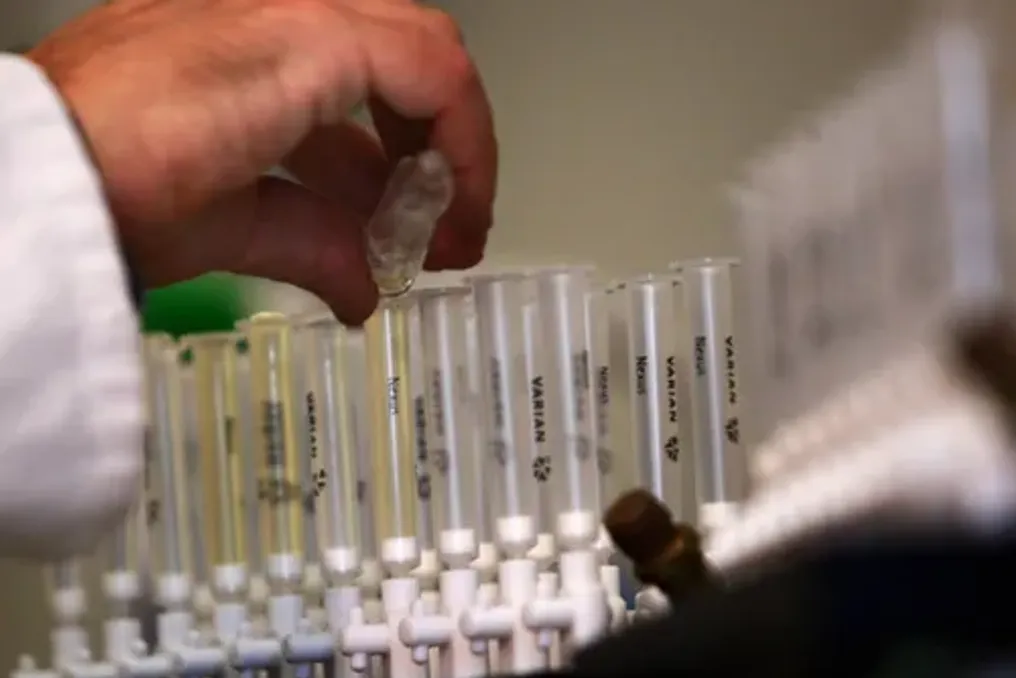
The Department of Health's forensic toxicology laboratory in the Western Cape received ISO/IEC 17025 accreditation following an assessment conducted by the South African National Accreditation System (SANAS). This marks a significant step forward for forensic science in the country. The laboratory is located at the Observatory.
This accreditation covers methods for detecting carbon monoxide poisoning, as well as identifying and measuring drugs in forensic samples. These analyses are used in investigating fires, suspected poisonings, possible drug overdoses, and sudden or unexplained deaths.
Mireille Wenger, Minister of Health and Wellness for the Western Cape, noted that forensic toxicology can provide answers to families when the cause of death is not obvious. She emphasized that toxicology plays a vital role in uncovering circumstances in such cases.
Wenger stated that the accreditation guarantees independent confirmation that the toxicological data obtained by the unit meets internationally recognized standards. The results of these studies are used by forensic pathologists, police investigators, prosecutors, and courts in medico-legal and criminal investigations.
The forensic toxicology unit is part of the Provincial Department of Health and Wellness's Forensic Pathology Service and supports death investigations in the Western Cape. Toxicologists work directly within the Forensic Pathology Service, which has improved collaboration, increased testing reliability, and reduced turnaround times for results.
Although testing was conducted before receiving certification, the accreditation independently confirms that the laboratory's methods and quality control meet international requirements. Before accreditation, the method undergoes rigorous testing to determine its accuracy, sensitivity, specificity, and reliability. The laboratory also participates in international proficiency testing and conducts continuous quality assurance assessments.
Chief Forensic Toxicologist and Scientific Manager of the unit, Bronwen Davis, stated that the accreditation demonstrates a commitment to maintaining reliable services and continuously improving the laboratory's operations. She called this achievement a promise of quality and reliability, strengthening the Western Cape's healthcare system.
Wenger added that forensic pathology stands at the intersection of healthcare and the justice system. The work of scientists helps authorities determine causes of death, support investigations, and identify new public health threats, which is an important confirmation of the quality of forensic science in the Western Cape's public sector.