Some critics view romance novels skeptically, calling them 'predictable' or 'slow,' while others deem them 'toxic and deeply problematic.' Even when media promotes this genre, there remains a tone of condescension, visible in lists such as Cosmopolitan's 'romance books that don't disgust.'
Despite the romance genre continuing to gain momentum post-pandemic, selling about 63 million print and e-books last year (compared to approximately 39 million in 2020), and thanks to television adaptations of works like 'Heated Rivalry' and the 'Bridgerton' series, skepticism persists.
A researcher studying publishing in the romance sector asserts that the world needs romance novels more than ever. Firstly, the romance genre consistently satisfies women's need for physical pleasure, whether through the slow pacing of 'inspirational romance' or the passionate relationships in romantic fantasy.
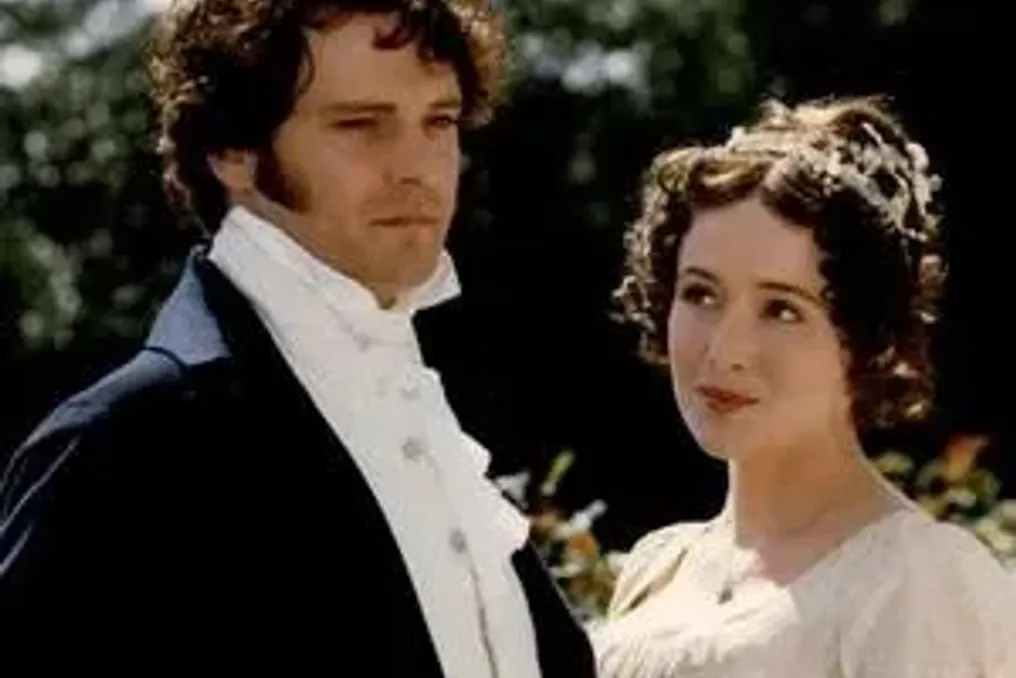
Critics often challenge the genre's central element—the happy ending—arguing that life is unpredictable and complex, and novels offer false hope. However, the plots in romance books essentially revolve around life's difficulties, particularly women's struggles. For instance, in Jane Austen's 'Pride and Prejudice,' the Bennet sisters face poverty if they do not marry, and the heroines in Kennedy Ryan's novels cope with domestic violence, mental illness, and chronic diseases.
It can be argued that many women read romance because life can be hard: amidst chaos, readers find solace in stories of love, growth, and hope. Furthermore, the genre plays a critical role in the publishing industry by supporting it, as it accounts for nearly a quarter of print fiction sales, significantly higher than 15 percent in 2020. Meanwhile, literary fiction accounts for only 8 percent of the market.
Romance authors have also contributed to changing writing, production, and distribution methods, improving market conditions for many writers. Since publishers long offered romance authors modest fees and poor contract terms, these authors were among the first to explore digital self-publishing through e-books, proving that writers no longer need traditional publishers to succeed.
Studies have shown that between 2009 and 2014, amid the e-book boom, the median income of romance authors increased by 73 percent, while the overall income of US authors dropped by 42 percent during the same period. Ultimately, independent authors forced traditional publishers to change payment structures and launch new imprints.
While acknowledging that the quality of romance literature is not always flawless, and some stories may romanticize toxic behavior, such as Christian Grey's sadism in 'Fifty Shades of Grey' or kidnapping in 'Fire and Flower,' the author notes that readers understand the difference between fiction and reality.
Nevertheless, despite all these arguments, romance novels, their readers, and authors deserve respect. This genre continues to support the existence of specialized stores, such as the 150 stores dedicated solely to romance in the United States, and attracts attention through its screen adaptations.