The Western Cape Department of Health and Wellness welcomed the positive response to the introduction of the injectable drug Lenacapavir, a long-acting medication for HIV prevention.
The Department confirmed that nearly nine out of ten people choosing the Lenacapavir injection are new users of this form of prevention. It is important to note that Lenacapavir is an antiviral drug intended for both treatment and prevention of HIV, and it is not a vaccine, but rather a highly effective means of HIV prevention.
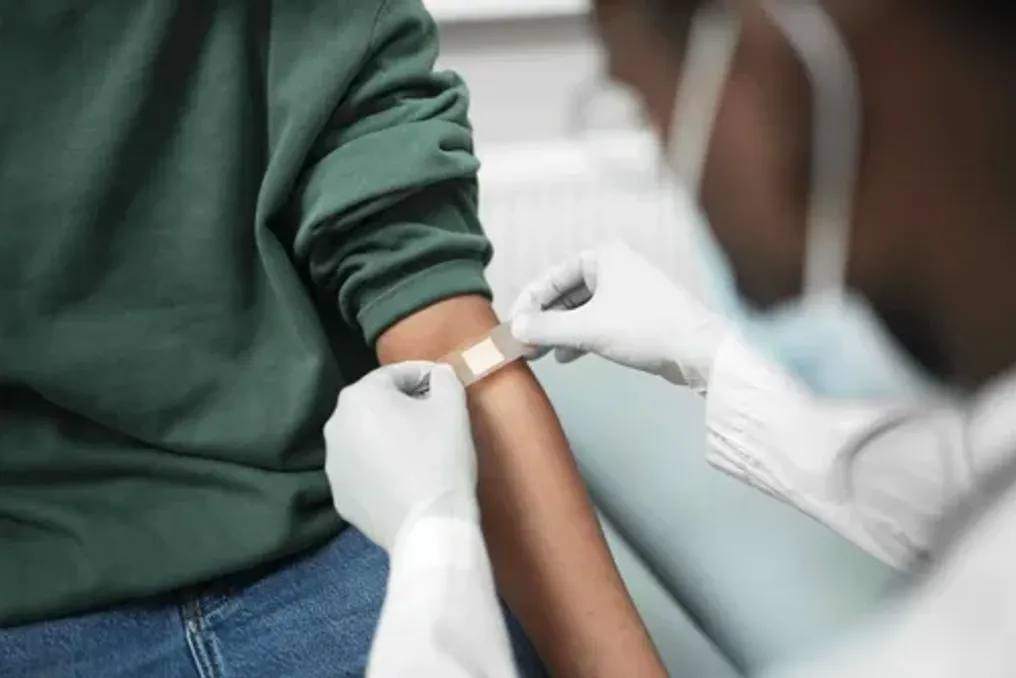
According to the Department's data, between June 8 and July 24, 2339 injections of Lenacapavir were administered across 22 public health facilities in the Metropolis. Of the total injections given, 2049 (87.6%) were received by individuals who had not previously used pre-exposure prophylaxis (PrEP), indicating that the program is reaching thousands of residents who were not previously using long-term HIV prevention.
In addition to Lenacapavir, which is administered twice a year, PrEP is also available as a daily tablet, which was introduced in South Africa in 2016.
The Minister of Health and Wellness, Mireille Wenger, noted that preliminary results demonstrate the value of providing people with more choices in HIV protection methods. She emphasized that one of the main opportunities for reducing new HIV cases is ensuring access to effective prevention options for at-risk groups.
Wenger added that it is particularly encouraging that almost 88% of people receiving Lenacapavir are starting PrEP for the first time. This signifies an expansion of access to HIV prevention and coverage for those who might have found daily medication difficult or never used PrEP.
She stated that offering a more convenient option for long-term prevention removes barriers to HIV prevention and gives residents greater choice in self-protection methods. For these reasons, the introduction of Lenacapavir is considered a significant achievement for the Western Cape.
Wenger reported that healthcare workers observe that many patients prefer Lenacapavir because an injection every six months is easier than taking a daily pill. The program has also recorded a successful transition of clients who previously struggled with daily oral PrEP to the injectable form.
The Department reported that the program showed encouraging growth among women, who remain the most vulnerable group. During the reporting period, 162 pregnant women started receiving Lenacapavir, and seven more patients in antenatal care switched from oral PrEP to injectable PrEP, strengthening HIV prevention during pregnancy.
The highest number of injections were registered at the following locations: Nolungile Community Centre (192 administrations), Hayelitsha Community Health Centre (Site B) (186 administrations), and Phumulani Clinic (182 administrations).
The initial phase of implementation prioritized adolescent girls and young women, women of reproductive age, pregnant and breastfeeding women, as well as other key populations at high risk of HIV infection.
The next batch of Lenacapavir is expected to arrive from the national Department of Health in the first week of August after completing necessary quality tests post-import. Meanwhile, existing stocks are being carefully monitored, and oral PrEP remains an easily accessible and effective means of HIV prevention.
Wenger concluded that these early results provide confidence that long-term HIV prevention can help reach more people, especially those for whom daily oral PrEP proved difficult to manage. As access to Lenacapavir expands, the focus remains unchanged: to ensure every suitable resident has access to the most appropriate HIV prevention option.
She added that preventing every HIV infection is an opportunity to help someone live longer and healthier, bringing the world closer to the end of the HIV threat to public health.
The Department urges residents interested in learning about their eligibility for Lenacapavir to consult healthcare workers at participating facilities or visit the nearest public health facility to discuss available HIV prevention options. Although Lenacapavir is currently available at select medical facilities, the Western Cape Department of Health and Wellness continues to offer a wide range of HIV prevention measures, including free condoms, testing, and HIV counseling, oral PrEP, and PEP, so that people can choose the option that best suits their needs.