Inclusive education has become one of the key areas of state policy in New Uzbekistan, aimed at increasing human value and ensuring the rights and interests of every citizen. In particular, large-scale reforms are being implemented within the initiative of the Head of State to create equal opportunities for children with special educational needs, in order to provide them with quality education and full integration into society.
The application of inclusive education is being gradually introduced in the country, an educational environment corresponding to modern requirements is being formed, and the legal and regulatory framework in this area is being improved.
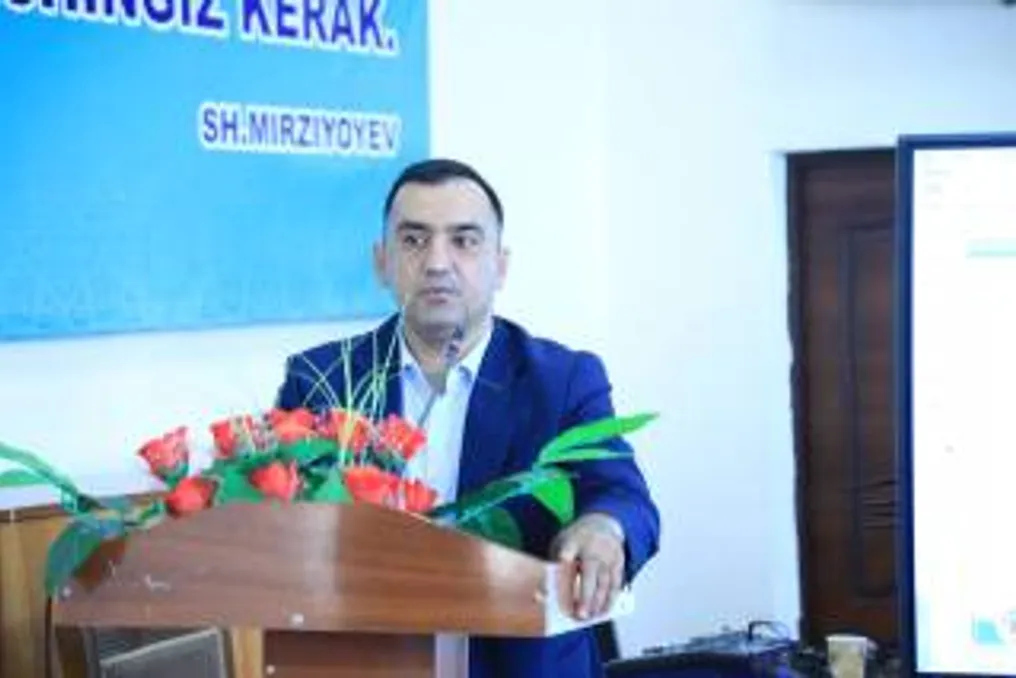
In this regard, before the start of the new academic year, a training and practical seminar was organized in the city of Bukhara on the topic 'Problems and solutions of inclusive education in general education schools.' This event was significant as it was dedicated to improving the inclusive education system, discussing existing problems in this field, and determining practical solutions.
Representatives of the Department of Preschool and School Education of Bukhara Region, employees of the regional social protection department, directors of general education schools where inclusive education is implemented, and heads and chief accountants of district and city departments of preschool and school education took part in the seminar.
At the event, it was discussed in detail that the development of inclusive education is an important direction of the country's state policy, what priority tasks need to be solved before the new academic year, as well as current issues facing educational institutions and reforms in this area.
It was emphasized that inclusive education is not just a form of education for children with special needs, but a humane education system that ensures the right to knowledge based on equality for every child. This approach strengthens high human values such as kindness, tolerance, mutual respect, and social equality among children.
During the seminar, participants were provided with detailed explanations and practical recommendations regarding the changes and additions being introduced in accordance with the relevant order of the Ministry of Preschool and School Education, as well as key directions of inclusive education, teacher professional development, creation of an accessible environment in educational institutions, modernization of infrastructure in accordance with modern requirements, and strengthening interdepartmental cooperation.
Experts put forward important proposals for the effective organization of the educational process in inclusive schools that will begin their activities in the new academic year, as well as for the further improvement of the psycho-pedagogical support system taking into account the individual capabilities of each child.
Currently, practical work on developing inclusive education continues in the Bukhara region. Currently, 330 inclusive classes operate in 189 general education schools in the region, where 424 students with special educational needs receive modern knowledge and upbringing. These figures clearly demonstrate the results of systematic work carried out in the region to ensure every child's right to education.
In addition, parallel to the development of inclusive education, tasks such as creating ramps, special equipment, comfortable classrooms, and adapted sanitary infrastructure in educational institutions, regular improvement of teachers' knowledge and skills in inclusive education, and strengthening cooperation with parents are being implemented in stages. This creates a solid foundation for children with special educational needs to study together with peers and occupy a worthy place in society.
The high attention given to the development of inclusive education under the initiative of the state is a vivid example of the policy of New Uzbekistan, which is based on the principles of humanism. The seminar held in Bukhara is also a logical continuation of these reforms and will contribute to improving the quality of education, ensuring equal opportunities for every child, and ensuring that no one in society is left behind.