South Africa's mining sector is under constant pressure to improve environmental performance, ensure worker well-being, and demonstrate tangible progress toward Environmental, Social, and Governance (ESG) goals.
While energy efficiency and water security often attract attention, sanitation infrastructure frequently remains an underestimated vulnerability. Previously viewed merely as a basic requirement, cleanliness at mining sites is becoming a clear indicator of how seriously a mining company takes innovation, human dignity, and resource management.
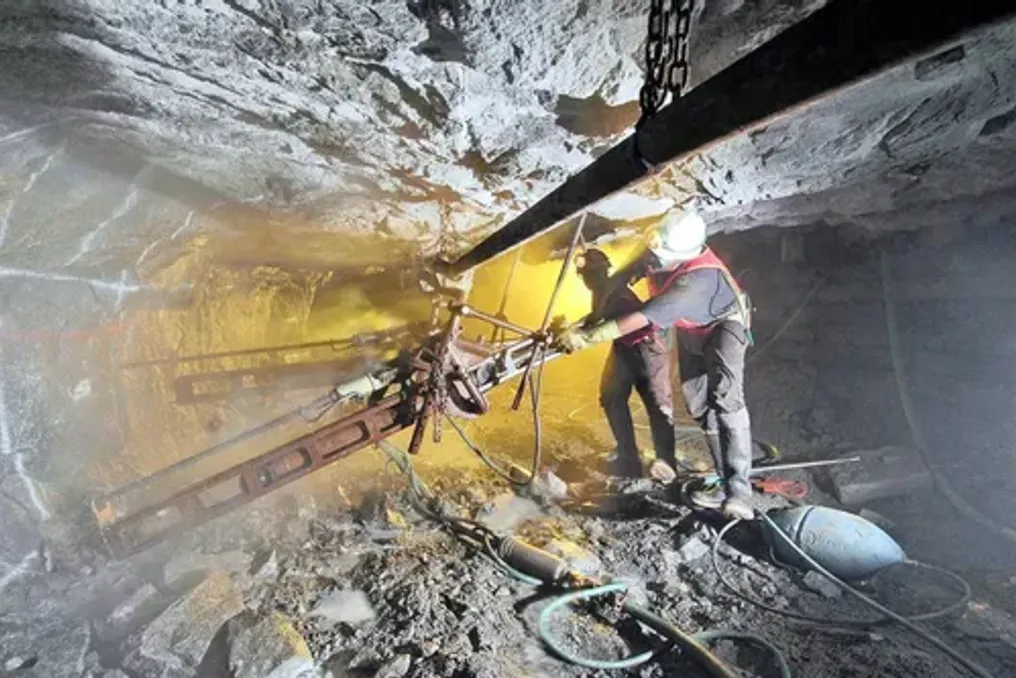
In remote, high-intensity mining operations, especially deep underground, sanitary facilities have historically been extremely rudimentary. Systems based on crude retention or simple buckets create significant problems for both site personnel and management. Poor conditions directly threaten the health, personal comfort, and daily dignity of underground workers, and managing these systems creates considerable logistical difficulties for operational teams.
Moving waste from deep mines to surface treatment facilities requires time, energy, and constant coordination. Shaft infrastructure is limited, and waste servicing schedules are regularly disrupted by emergencies or equipment repairs. Every additional trip to haul heavy waste containers consumes valuable shaft availability, increases transport costs, and raises overall fuel emissions on site.
The solution to these problems lies in shifting the focus from continuous waste removal to its treatment directly at the point of generation. Recent local engineering developments focus on placing compact automated treatment units directly in remote mining locations. Instead of repeatedly hoisting raw waste to the surface, these closed-loop systems filter, clean, and recycle liquids on site. Through continuous liquid recycling, such systems can reduce the volume of physical waste requiring removal by up to 80%.
Such an 80% reduction fundamentally changes daily mine logistics. Moving only 20% of the initial waste volume significantly reduces the strain on mine infrastructure, decreases fuel consumption, and minimizes hazards on site. From a water resource management perspective, liquid reuse sharply reduces the demand for fresh water for sanitation, helping mines protect local water reserves in drought-prone regions.
Mine sanitation technologies cannot just be good on paper; they must withstand real South African conditions. Imported solutions designed for milder environments often fail underground, where dust, intensive daily use, and limited budgets prevail. Local developments strike a sensible balance between efficient treatment technologies and simple, robust mechanisms. Designing equipment that is accessible for installation and easy to maintain ensures that sustainability upgrades remain practical while maintaining uninterrupted operation deep underground.
Beyond improving water efficiency and logistics management, modernizing sanitation in mines addresses a key operational challenge—worker health and absence. Health management initiatives across the sector have proven that hygienic, well-maintained sanitary facilities directly reduce the spread of illness among underground crews, leading to a noticeable decrease in health-related sick leave. Ensuring employees have access to safe and dignified working conditions contributes to a healthier workforce, which in turn reduces shift delays, enhances site safety, and supports stable daily production output.
As sustainability reporting becomes increasingly detailed, mining executives are re-examining every aspect of their operations. Modern sanitation touches all three aspects of ESG. From an environmental standpoint, reduced waste transportation lowers site emissions, and recycling systems conserve regional water resources. From a social standpoint, improved facilities protect employee health, safety, and daily dignity, directly reducing days lost to illness. From a governance perspective, mitigating risks associated with waste handling helps operations remain fully compliant and avoids costly environmental fines.
Sanitation in mining can no longer be a secondary issue. Adopting practical, locally developed technologies is the most effective way for South African mining enterprises to transform an old operational problem into a clear victory for water stewardship, team well-being, and ESG leadership.