According to data from the Iranian Statistical Center, the country's population has surpassed the 87 million mark. It is projected that by the end of the current Iranian year, which is March 2027, this number will reach 87.134 million.
According to data from the Iranian Statistical Center, the country's population has surpassed the 87 million mark. It is projected that by the end of the current Iranian year, which is March 2027, this number will reach 87.134 million.
The IRNA news agency reported that the urban and rural populations account for approximately 67 million and 20 million, respectively. Furthermore, the average household size has decreased to less than 3.2 people (3.19), which is the lowest figure since the 1950s.
In the past Iranian calendar year (from March 2025 to March 2026), a total of 892,227 births and 459,984 deaths were recorded. Most births occurred in the summer, while most deaths occurred in the spring.
According to the head of the Welfare Organization, aging rates in Iran are growing faster than the global average, which will lead the country to be among the oldest in the world within the next 25 years.
Referring to the WHO age classification for 2025, elderly individuals are considered those aged 60 and over. As Seyed Javad Hosseini reported in May, currently, 14 percent of the country's population falls into this category.
The official representative explained that a population is considered young if the proportion of people over 60 is seven percent; the country begins to age when this figure reaches between seven and 14 percent. Meanwhile, countries with a population share between 14 and 21 percent are considered aging, and those with a share between 21 and 27 percent are considered super-aging.
In the Iranian year 1395 (2016–2017), the proportion of the population over 60 was only 9.5 percent, whereas the global average aging rate was about 12–13 percent. It is projected that in the Iranian year 1415 (2036–2037), this figure in Iran will rise to 15 percent, and globally to 16.5 percent. However, he noted that by the Iranian year 1430 (2051–2052), this percentage in Iran will reach 31 percent, while globally it will be 21.5 percent.
Hosseini emphasized that although life expectancy in Iran has increased, birth rates have declined.
The Vice Presidency for Science, Technology, and Economy, in collaboration with the Innovation and Prosperity Fund, will support the implementation of projects in the fields of family and youth. In this regard, the Vice Presidency announced a second call for organizations and funding of innovations aimed at achieving the country's demographic goals, as reported by IRNA in January.
The call focused on three main areas: infertility treatment, childbirth, and maternal and child health. Seven key specialized areas were also designated, including cell therapy, gene therapy, tissue engineering (advanced treatments and new approaches to improving fertility and treating genetic diseases), assisted reproductive technologies (ART), and artificial intelligence, as well as nanotechnology for improving diagnosis, health monitoring, and assisted reproductive procedures.
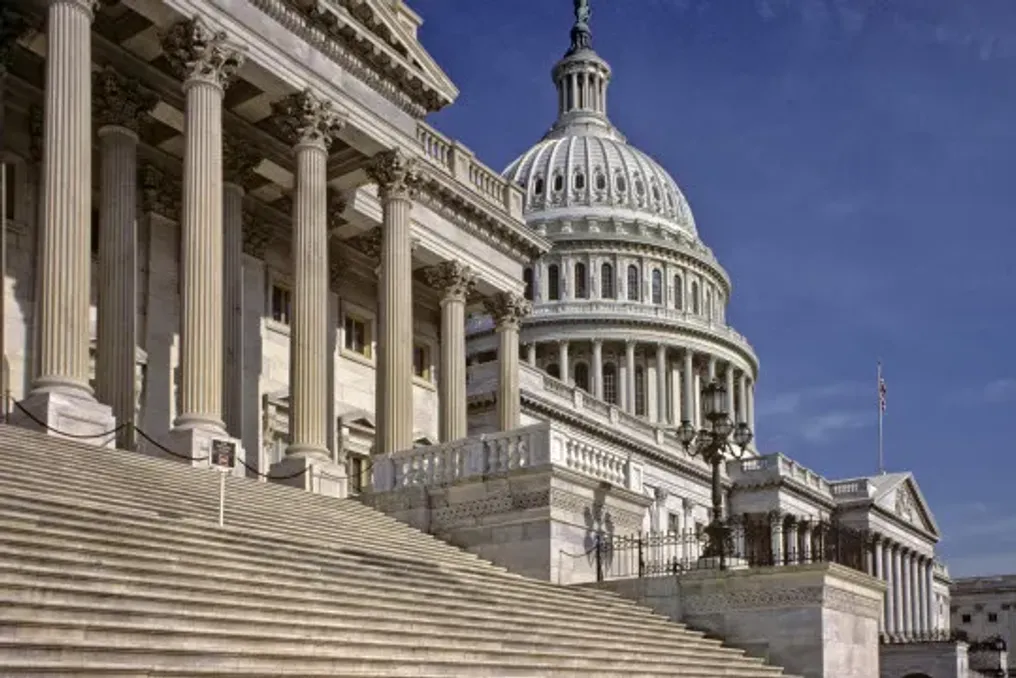
The House of Representatives approved an $83.3 billion budget package designated for military operations against Iran. Despite the approval, Republican congressmen showed division regarding the plan, as it did not include compensatory budget cuts.
The proposal received support from 216 votes, although it registered 214 opposing votes, including votes from all Democrats. Representative Jodey Arrington, a Republican member from Texas and chairman of the Budget Committee, stated that the goal was to use only 'bullets and bombs to finish the job' in the Middle East.
On the other hand, Democrats argued that financial resources should be applied domestically, with a special focus on reducing the cost of living for American citizens.
The financial package allocates $60 billion to the Pentagon, in addition to $13 billion for other national security needs. Additionally, $12 billion is allocated to farmers who are suffering from tariffs implemented by Trump, and $10 billion is designated for amendments to election legislation, a priority set by the White House.
Congress has faced difficulties in blocking military attacks ordered by Trump without having previously authorized the use of military force, and it is divided over the need to approve billions in spending to cover them. A recent AP-NORC poll indicates that the majority of Americans disapprove of Trump's approach to Iran.
Defense Secretary Pete Hegseth informed senators during a tense hearing this week that the Pentagon is facing a funding shortage, even after receiving a large one-time allocation of $150 billion last year through the major budget bill.
The strategy of House Speaker Mike Johnson faces obstacles in the Senate. John Thune, leader of the Republican majority in the Senate, has not committed to the House package, and this hesitation also extends to part of the Republican majority itself. Some Republican senators prefer to direct more funds to the Armed Forces, while others demand that costs be balanced through reductions in other areas.
Republicans are counting on the reconciliation process, which allows for approval by simple majority in Congress, bypassing the possibility of the Senate blocking the measure to postpone or prevent its implementation. This reconciliation process, previously uncommon, has become Johnson's preferred tactic for passing proposals in Congress. This is how Republicans passed Trump's bill on major tax and spending cuts last summer, and this year they funded the Department of Homeland Security despite Democratic opposition to Trump's mass deportation agenda.