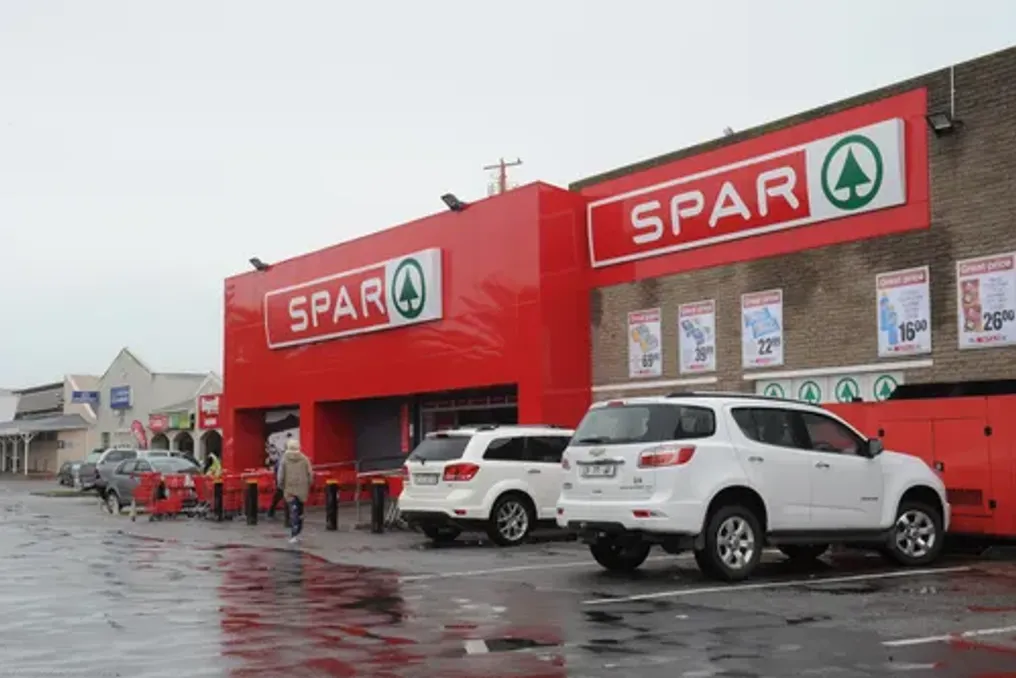
As part of Savings Month, South Africans are not just cutting back on expenses but are fundamentally changing their approach to purchasing. South Africa's economic problems, including prolonged weak economic growth, persistently high unemployment, tightening family budgets, and rising cost of living, have transformed the process of acquiring food products. These changes have become widespread in the retail sector and are deeply rooted in SPAR stores, where shopping has become more targeted.
Consumers continue to spend money, but they have become much more focused on exactly how their earnings are being spent. Today, consumers carefully examine every item in the basket, and their choices reflect efforts to balance family needs with the rising cost of living. Experts believe that given SPAR's scale as one of the largest independent food retail chains, it has a unique perspective on how the country's economic pressure is changing consumer behavior.
These changes, driven primarily by necessity, may become entrenched and establish themselves as sustainable habits for years to come, shaping the future of retail trade. One fundamental shift is the move from large monthly bulk purchases to weekly store visits and other strategies that align with cash flow, minimize unnecessary purchases, and reduce food waste.
This shift in consumer behavior is complemented by planning, which has become one of the most effective ways to save money. More households create weekly meal plans before visiting the store, build shopping lists around these meals, utilize promotions and discounts, and purchase only what is necessary. Instead of making decisions in the store, many shoppers determine their needs before leaving home and strictly adhere to this list.
A key element is the concept of 'value'. Customers are comparing prices more closely, looking beyond familiar brands, and evaluating sales, private-label products, and multi-buy offers. Beyond price, buyers consider quality, nutritional value, freshness, and product versatility. An item that lasts longer, reduces waste, or can be used in various dishes is perceived as having greater value.
Figures confirm this trend: recent studies show that 84% of shoppers actively seek out special offers, and 83% regularly use discounts, promotions, and coupons. Loyalty programs have also gained significant importance, as many consumers choose where to shop based on the ability to earn and use rewards that help stretch their budget.
For SPAR, it is clear that consumer loyalty will increasingly depend on how effectively retailers help customers make smarter purchasing decisions through significant promotions, high-quality private-label products such as the SPAR private label range based on the promise of 'as good as the best, but cheaper', reliable fresh produce, transparent pricing, and rewards that provide tangible savings.
Convenience is also closely linked to accessibility. For many South Africans, the true cost of shopping extends beyond the price at the checkout, as costs for fuel, public transport, and the time required to travel to shopping centers place additional pressure on low-budget households. Therefore, community-focused retail is becoming increasingly relevant. Stores located closer to people's residences facilitate frequent shopping, allow for the purchase of only what is needed, and avoid the financial burden of large, infrequent trips to the store. In the current economic climate, convenience is not just about saving time, but also about saving money.
Technology is accelerating this evolution. Shoppers are adopting digital grocery shopping through online catalogs, personalized app offers, loyalty programs, and delivery services like SPAR2U, which provide better visibility of prices and special offers, enabling more informed purchasing and managing household budgets with greater confidence.
One of the most important lessons for retailers in recent years has been that accessibility and trust are now inseparable, as consumers are becoming more demanding than ever. Winning customer loyalty requires retailers to maintain consistent standards of quality and pricing. Customers will frequently visit stores where they feel the owner is helping them make better decisions. The opportunity lies in meeting the expectations of modern, discerning customers through reliability and transparency.
Achieving this requires retailers to recognize that changing consumer behavior implies focusing on making value more visible and accessible to shoppers. Tools for this range from hyper-relevant promotions to high-quality private-label ranges and practical solutions for menus and baskets. The goal is no longer just to sell more goods, but to help customers achieve more with their budgets.
Savings Month serves as an important reminder that financial stability is built on thousands of daily decisions, many of which are made in the grocery aisles, when creating family meal plans, and at the checkout counters. Retailers who understand these changing trends have the opportunity to do more than just meet evolving customer needs. They can play a significant role in helping South African households navigate economic uncertainty and ensure that every rand counts. This is the commitment realized by SPAR stores across the country, in every community, every day. Beyond providing value, our independently owned stores remain deeply engaged in the communities they serve, supporting local initiatives and helping to strengthen the communities that support us.