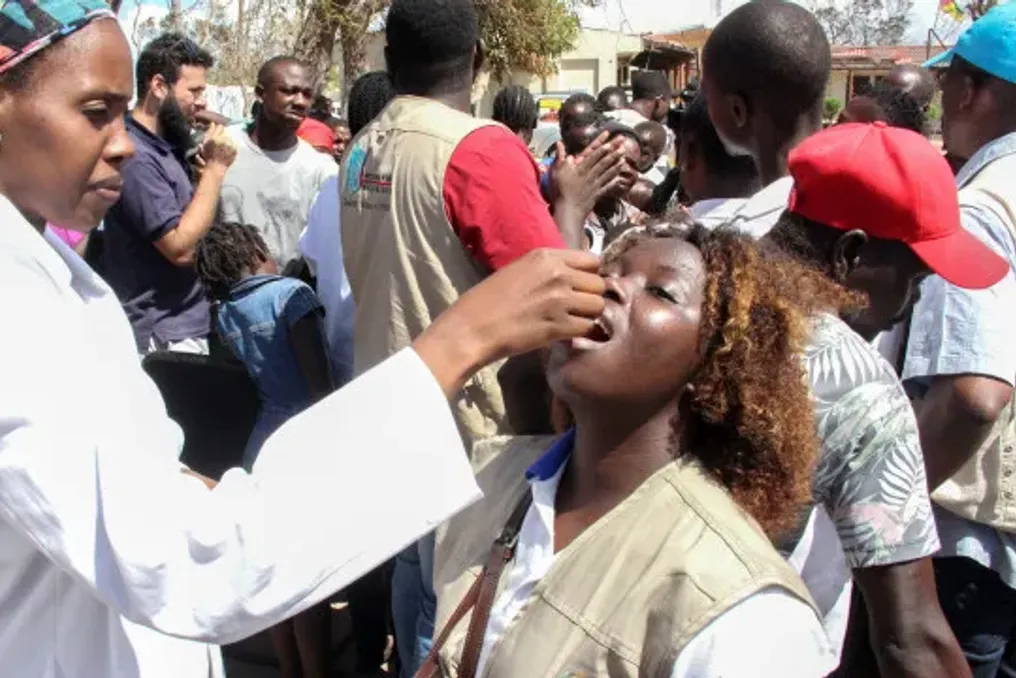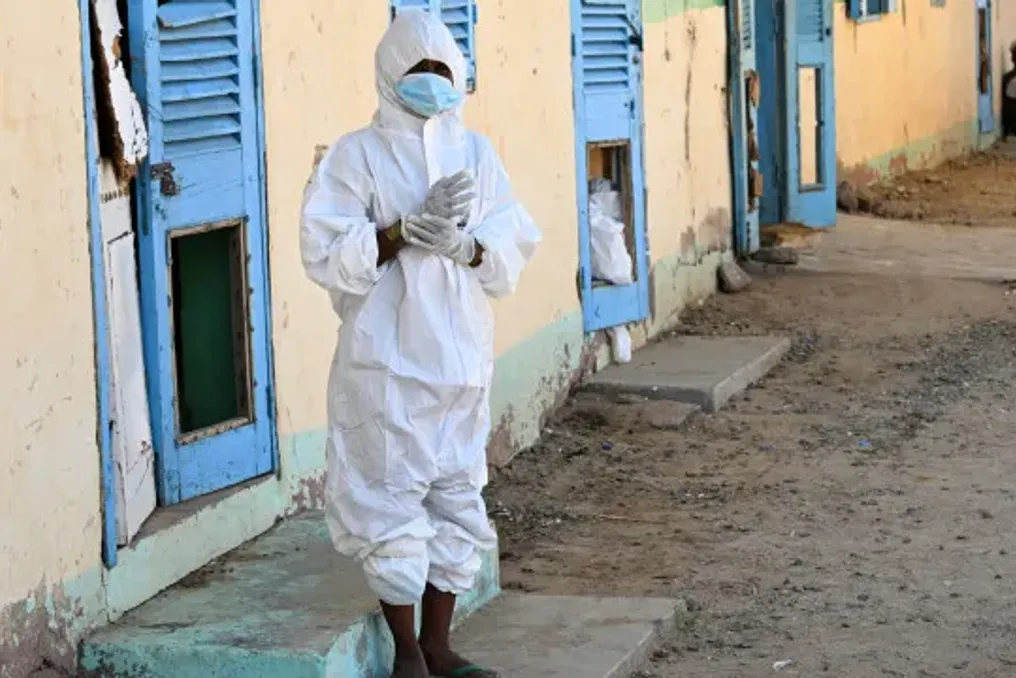
According to the latest bulletin from the National Directorate of Public Health (DNSP), 9,553 cases of cholera were registered in the country between September 3, 2025, and July 25, 2026. Of this total, 3,986 cases are in Nampula province, where 39 deaths have been recorded.
A significant number of cases were also recorded in other regions: Tete reported 2,974 cases and 33 fatalities; Cabo Delgado saw 1,137 infections and eight deaths. Furthermore, Sofala identified 921 infected individuals and four deaths, while Manica reported 386 infections and three deaths.
One case was registered in Zambezia, Gaza, and Maputo provinces, with no associated deaths in these instances. The city of Maputo also has one registered case without fatalities.
Previously, according to DNSP data as of June 6, the total number of cholera cases since September was 9,092, with 86 deaths. Active transmission of the disease spread across 16 districts, which has now decreased to five. At the beginning of 2026, active transmission covered at least 42 districts, mainly in the central and northern parts of the country.
Currently, fewer than ten new cholera cases are being recorded in the country, which is attributed to the end of the rainy season in April. However, the mortality rate remains at 0.9%.
During the cholera outbreak that occurred from October 17, 2024, to July 20, 2025, 4,420 infections were registered, of which 3,590 were in Nampula, and the total number of deaths was 64 people.
The new United Nations Proactive Framework for combating cholera in Mozambique provides for funding of up to 1.7 million euros for rapid intervention before outbreaks escalate, similar to the current situation. This framework was approved on May 22 by structures of the UN Office for the Coordination of Humanitarian Affairs (OCHA).
The document establishes a mechanism that links epidemiological data with immediate funding, allowing for timely action and preventing larger crises. Cholera continues to pose a serious public health threat in Mozambique due to frequent outbreaks linked to inadequate access to clean water, poor sanitation conditions, and extreme weather events such as cyclones and floods.
The new framework, endorsed by OCHA, stipulates that response will be activated based on weekly data on acute watery diarrhea, enabling the rapid detection of abnormal increases in cases. Once predefined thresholds are exceeded, actions are triggered automatically, eliminating delays in resource mobilization.
A central element of the mechanism is the pre-positioning of funding through the Central Emergency Response Fund (CERF), which will provide up to $1.5 million (€1.3 million) for a two-year period. Each activation can release $750,000 (€650,000), allowing for two rapid interventions within this timeframe.
In addition to direct funding from CERF, the plan includes co-financing from participating agencies, increasing the total mobilizable amount to nearly two million dollars (€1.7 million), including additional funds designated for preparation and implementation on the ground.