Following protests against illegal immigration and increased migration control measures across South Africa, efforts to repatriate foreign nationals continue. Thousands of migrant workers have reportedly lost their jobs, and businesses are noting a growing shortage of skilled labor. Some sectors of the country's transport and agriculture are beginning to feel the economic consequences of South Africa's anti-immigration campaign.
Protests and Group Demands
These events occurred several weeks after a wave of demonstrations demanding the expulsion of undocumented foreigners. Starting as isolated actions in May, the protests gained momentum ahead of the June 30 deadline set by groups opposed to illegal immigration, such as March and March and Labour and Civic Organisation (LACO). These groups insisted that illegal foreigners leave South Africa.
Despite LACO's claims that their campaign aims to create jobs for unemployed South Africans, independent data shows that vacancies vacated by foreigners are not being filled by local residents. Experts also point out that a recent check by Africa Check found no evidence that deporting illegal migrants would automatically reduce unemployment or create a significant number of jobs.
Consequences for Businesses and Workers
Instead, trade unions claim that employers have increasingly used the tense atmosphere surrounding the fight against illegal migrants to dismiss workers, while companies face a shortage of experienced personnel. The Casual Workers Advice Office (CWAO) reported that layoffs began even before the peak of nationwide protests. Through its Simunye Workers Forum, the organization documented cases involving migrants from Malawi, Zimbabwe, Lesotho, and Mozambique who allegedly lost their jobs or were told not to return to work.
CWAO organizer Andile Nyambezi stated that the organization received about 3000 reports of workplace discrimination, intimidation, and dismissals, exceeding approximately 1500 cases registered earlier this month. He noted that the most affected sectors were agriculture, plastics manufacturing, and processing. Nyambezi emphasized that the agricultural sector has been severely impacted because workers live where they work, and losing their job means losing their housing.
He accused some employers of using immigration control measures as an excuse to fire long-term employees. Nyambezi called for holding both employers and employees accountable if a person worked for a company for 15 years and was then fired due to lack of documentation. He also stated that the consequences extend beyond jobs, as migrants face eviction from homes and communities, noting that 'women, including pregnant women, children, and migrants, were being removed from homes and workplaces.'
Impact on Local Communities and Transport
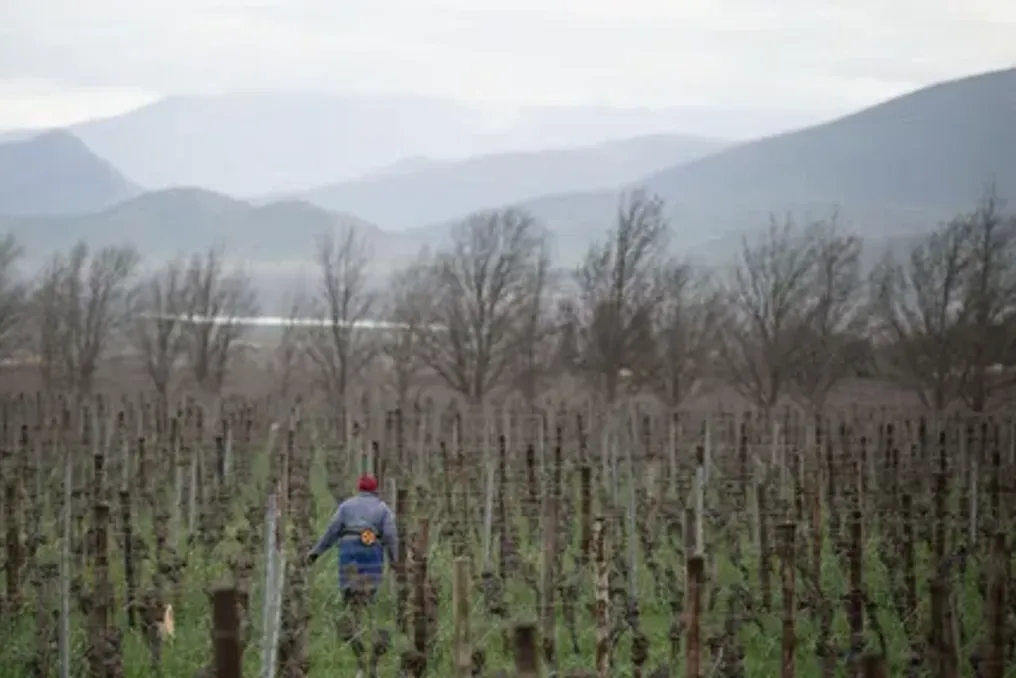
A seasonal agricultural worker from De-Duorns in the Western Cape reported that several foreigners living and working near her decided to leave the area, despite having valid documents, due to fear of becoming targets. She added that many of these workers had long become part of the local community, and their departure has affected both households and local businesses.
Sugar cane farmers in KwaZulu-Natal publicly warned that it is becoming increasingly difficult to replace experienced cane cutters, while organizations representing female agricultural workers cautioned that the agricultural sector has long depended on migrant labor. Sfiso Shangase, manager of the SANTACO office in KwaZulu-Natal, reported that some taxi drivers have already noted a decrease in passenger traffic as some migrants used their transport for travel.
Shangase also mentioned difficulties in finding qualified mechanics for vehicle repairs, as many foreigners possessed these skills. He noted that although some specialists are still available, prices have risen and turnaround times have increased due to the reduced number of people.
CODETA Chairperson Nceba Nge stated that passenger traffic in Cape Town remained largely unchanged, but acknowledged the shortage of specialists. He mentioned that there used to be people making taxi covers and qualified auto electricians, but it is now difficult to find anyone for immediate vehicle repairs.
Government Support Measures
Meanwhile, the government is taking steps to increase support for South African-owned businesses through the Department of Trade, Industry and Competition's Small Business Support Fund, which amounts to 500 million rand. This fund, launched at the beginning of the year, is intended to help relevant shops and small retail outlets expand through grants, loans, infrastructure improvements, business training, and wholesale partnerships.
By the end of May, over 2300 applications had been approved, with support totaling nearly 180 million rand, although officials admitted that much of the funding had not yet been disbursed. The government asserts that this program is part of a broader strategy to strengthen township economies and enhance the competitiveness of local enterprises. Concurrently, the Department of Home Affairs and Customs continue nationwide operations targeting undocumented foreigners. Over recent weeks, thousands of people have passed through the Musina Repatriation Centre, returned to neighboring countries due to increased immigration control. Authorities have repeatedly stressed that while immigration laws will be enforced, communities must not enforce the law by force or attack people based on nationality.