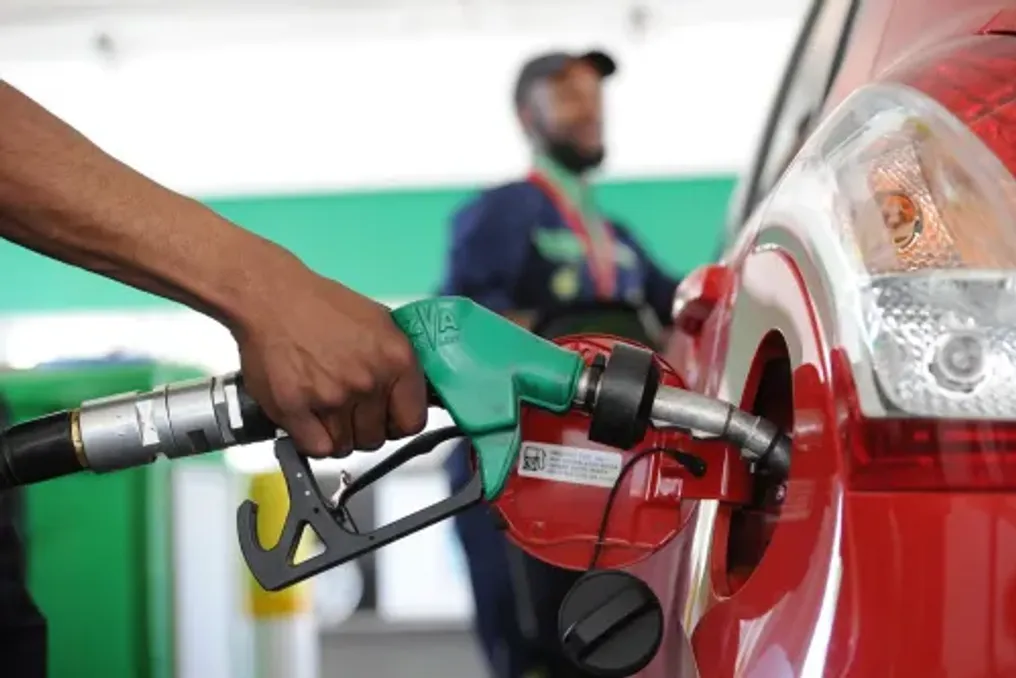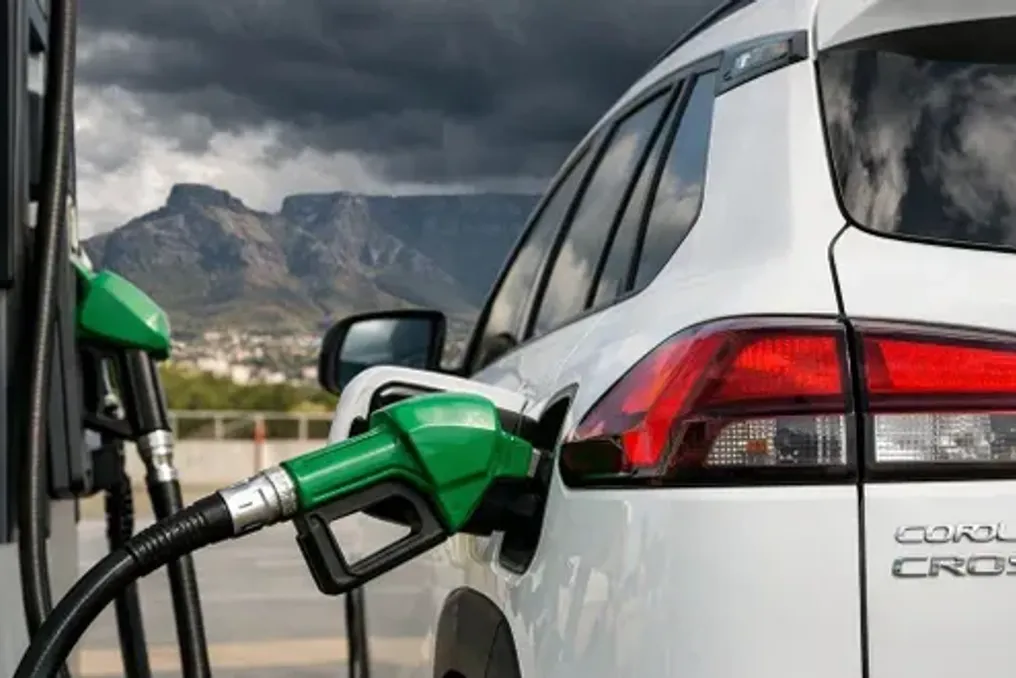
Drivers in South Africa may see a slight decrease in petrol prices in August, but a sharp increase in diesel fuel costs is forecast, which is likely to raise transport expenses and intensify inflationary pressure.
Due to ongoing volatility in the global oil market, local fuel prices are subject to influence. According to data from the Central Energy Fund, a small drop in petrol prices is expected, while prices for diesel fuel and kerosene should significantly increase.
Frank Blackmore, lead economist at KPMG South Africa, noted that current Central Energy Fund data indicates a possible decrease in petrol prices ranging from 0.20 to 0.26 South African Rand. However, he emphasized that the forecast for diesel fuel looks very different.
According to him, in August, the cost of diesel fuel could rise from approximately 1.27 to 1.50 South African Rand, and the price of kerosene will also increase by more than one rand. Blackmore warned that these figures are preliminary, and final adjustments will be announced by the Department of Mineral Resources and Energy.
Although drivers of petrol vehicles may welcome the expected price drop, Blackmore warned about the broader economic consequences of the sharp rise in diesel fuel prices. South Africa's transport sector is increasingly reliant on road transport due to problems with the country's rail network. Since heavy trucks and commercial transport predominantly use diesel fuel, the rise in fuel prices is expected to affect the entire supply chain.
He added that the increase in diesel fuel prices is likely to put additional pressure on inflation, as the non-operational railway system forces much more cargo to be moved by road, which often requires the use of diesel fuel.
Neil Royce, CEO of Debt Rescue, stated that the concern goes beyond just changes in fuel prices. Many households are already struggling to cover rising living costs. Royce noted that what is most important for consumers is not the change in fuel prices itself, but the overall pressure they are already putting on household budgets. Regardless of whether fuel prices rise or petrol drivers receive limited support, many South Africans remain financially strained and have little capacity to cover further increases in the cost of essential necessities.
Royce specifically highlighted the diesel increase as a cause for serious concern due to its pervasive impact on the economy. From a consumer debt perspective, the sharp increase in diesel fuel prices is particularly worrying because diesel fuel is factored into the cost of transporting food, public transport operations, agricultural support, and delivery of essential goods. Consequently, even consumers who do not use diesel vehicles may feel this through grocery prices, transport fares, delivery charges, and daily services.
He warned that households face these rising costs simultaneously, not individually. Although these increases may manifest separately, households experience them collectively within a single monthly budget. Royce reported that Debt Rescue is observing growing signs of financial distress among consumers. When working with financially burdened households, warning signs go beyond overdue debt payments; they include using credit to buy groceries, deferring municipal or insurance payments, transferring money between accounts to cover debits, and resorting to short-term loans before payday. These are signs that basic living expenses are beginning to exceed disposable income.
Although the South African Reserve Bank's decision to keep the repo rate unchanged at 7% has prevented further increases in debt repayments, Royce noted that this has provided little relief to financial pressure. He added that while a reduction in the Slate Levy tax could potentially allow for a more significant drop in petrol prices, consumers should not rely on this possibility until the final adjustment is announced. The main issue is the cumulative erosion of purchasing power. When costs for food, transport, electricity, and debt remain high, households are forced to allocate limited income to cover basic living expenses. Regardless of the final fuel price adjustment, consumers remain under significant financial pressure, and even small additional expenses can complicate managing an already difficult monthly budget.
Increased transport costs typically affect the economy by raising the cost of transporting food, agricultural products, industrial goods, and retail stock. Economists note that these additional costs are often passed on to consumers, creating further pressure on already tight family budgets. Despite the expected petrol price drop providing only limited relief to drivers, the forecasted rise in diesel fuel prices is expected to have a much greater impact on inflation, business costs, and the cost of living in the coming months.