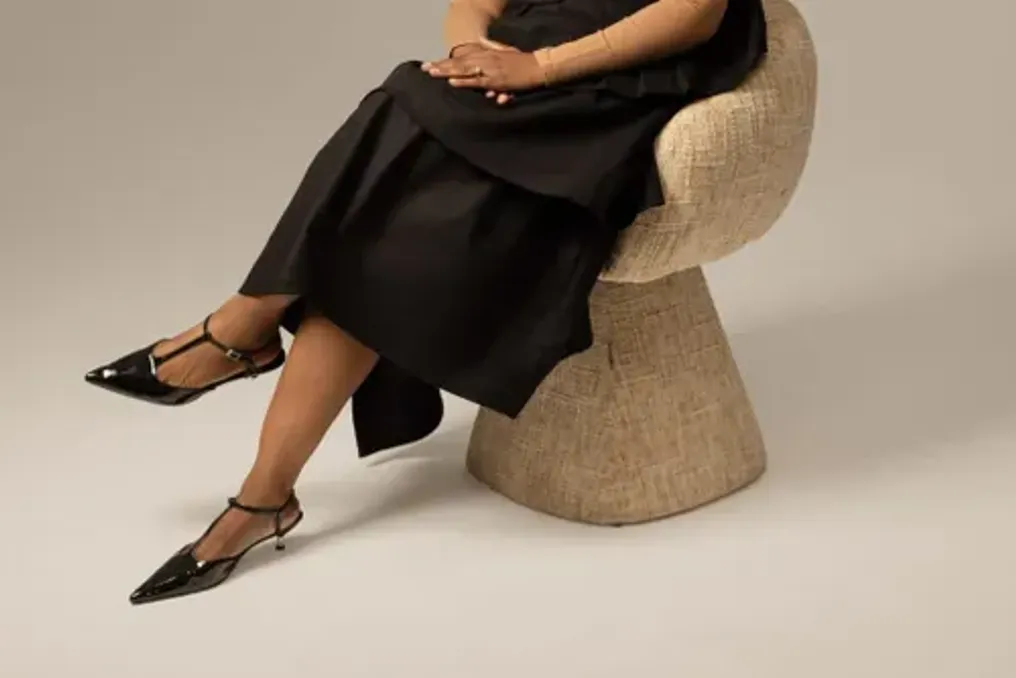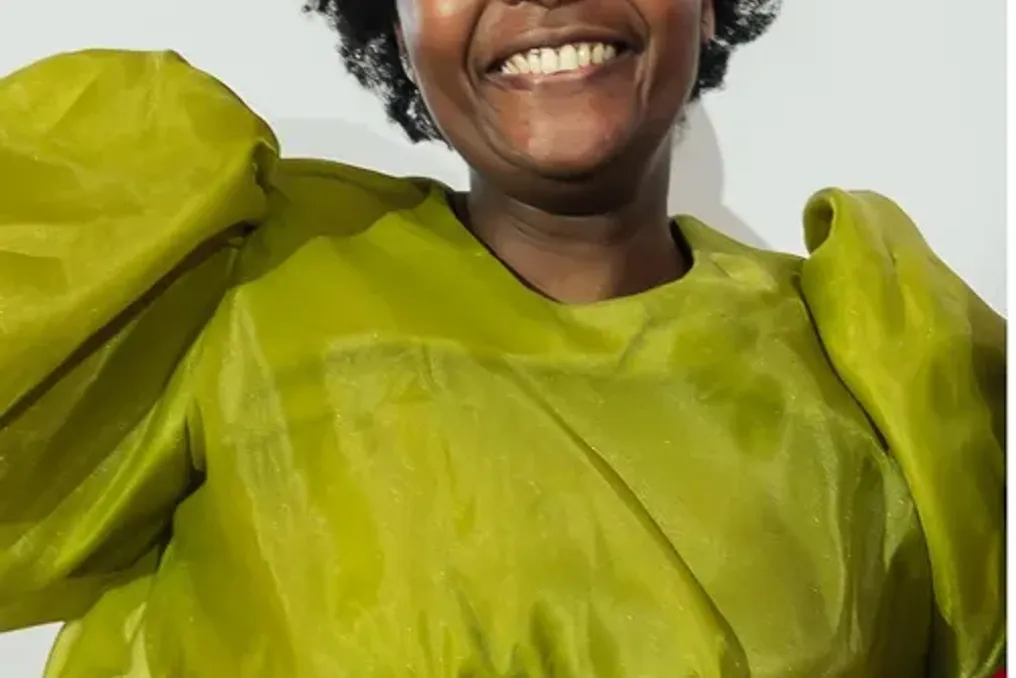
Lindiwe Nkunana-Kgopa turned a rejection into one of South Africa's most inspiring entrepreneurial success stories by founding a business that has changed the landscape of female entrepreneurship in Africa. After being told she did not 'fit the profile' for a manufacturing role, she built an enterprise entirely owned and managed by women.
More than a decade ago, a comment at a women's event fundamentally changed Nkunana-Kgopa's life. Today, she is the founder and CEO of Lindiwe Sanitary Pads (LSP) and was awarded the Veuve Clicquot Bold Woman Award 2026 for reimagining women's achievements in African manufacturing.
She recalled that the speaker at the event noted that there had never been a female president in South Africa, nor had any woman ever owned a large-scale sanitary pad factory. Although the audience continued its movement, Nkunana-Kgopa remained determined to change this situation. She emphasized: 'The entire industry, built on women's bodies, supported by women's needs and bought with women's money, has never belonged to a woman on an industrial scale.' This gap between who the industry served and who owned it prompted her to found LSP.
Today, Nkunana-Kgopa leads the first large-scale hygiene production facility in Africa that is exclusively owned and operated by women. Lindiwe Sanitary Pads, founded in 2018 in a home kitchen, has grown into a 4000 square meter factory in Centurion, Gauteng, capable of producing 800 South African Bureau of Standards compliant sanitary pads every minute.
The business now exports products to 11 African countries and employs women from previously underserved communities. Through partnerships and donation programs, the company provided free sanitary pads to over 100,000 schoolgirls in South Africa this year.
Born and raised in Limpopo, Nkunana-Kgopa became a mother while studying at university in Pretoria. Instead of letting circumstances dictate her future, she focused on creating a business that she felt Africa needed. However, gaining investor trust proved more difficult than developing the concept itself.
She remembers banking experts stating that she simply did not fit the profile of someone who could succeed in manufacturing. She responded that she intended to succeed, and the real question was whether they would be part of this success story. Rather than giving up due to unmet requirements, she built herself and her business until she met that profile.
Access to funding became one of the biggest hurdles for the nascent company. As the first producer entering a traditionally male-dominated industry, Nkunana-Kgopa struggled to convince lenders and investors to support her venture. Instead, she relied on business development programs, disciplined financial management, and relentless perseverance.
She noted that every setback—whether a facility delay, a difficult overdraft period, or stalled negotiations—was viewed as a problem to be solved, not a reason to stop. One defining moment occurred during one of the company's toughest periods. With little money, suppliers demanding payment and the business's future hanging in the balance, Nkunana-Kgopa invited potential sponsors to visit her factory instead of relying solely on presentations and documents.
This decision changed the company's future. She managed to secure R27 million in funding, allowing the business to transition from home operations to a modern production facility capable of supplying retail stores, wholesale buyers, and the National Dignity Program in South Africa.
Today, Lindiwe Sanitary Pads has 36 permanent employees and another 93 workers during peak production periods, most of whom are women from previously disadvantaged communities. For Nkunana-Kgopa, the greatest success of the factory lies not only in what it produces but in the opportunities it creates.
Through a partnership with Young Women of Africa, the company has expanded to 11 African countries, helping women entrepreneurs launch and own their own hygiene brands, creating new pathways to economic independence. This partnership also supports programs aimed at rescuing girls from child marriage and female genital mutilation, allowing them to return to school and build independent futures.
At the local level, government partnerships and the company's 'Buy to Give' initiative allowed over 100,000 schoolgirls in South Africa to receive free sanitary pads this year, helping to reduce menstruation-related poverty and school absenteeism. Nkunana-Kgopa believes that the hygiene industry exists because of women's needs, yet for decades, production has been predominantly male.
Creating an enterprise owned and run by women involved closing this gap, ensuring that the value created by an industry serving women is also claimed by them as owners, decision-makers, and industrialists.
In honor of Women's Month in South Africa, Nkunana-Kgopa hopes her journey will inspire more women to enter industries where they have traditionally been overlooked. She advises: 'Don't wait for someone to tell you that you fit the profile—build a track record that redefines what that profile looks like.' She urges people to expect underestimation and use it as fuel, rather than a demotivating factor, by deeply studying the technical and financial foundations of their industry, as competence is the strongest answer to doubt.
At 43, Nkunana-Kgopa stated that her ambitions extend far beyond expanding one company. She aims to leave behind an industry transformed by female leadership, where ownership ceases to be the exception and becomes the norm. She wants the industry to look fundamentally different from how she entered it—where African women are owners and industrialists in the menstrual economy, not just consumers. She wishes the LSP model of production, mentorship, and market access for other women-owned brands to be replicable across the continent long after she is gone.