This website employs a specialized security service designed to protect against malicious bots. This page is displayed during the verification process to ensure that the user is a human and not an automated bot.
This website employs a specialized security service designed to protect against malicious bots. This page is displayed during the verification process to ensure that the user is a human and not an automated bot.
The website's security service functions to prevent attacks from malicious bots. Displaying this page is part of a procedure that confirms the visitor is not a bot.
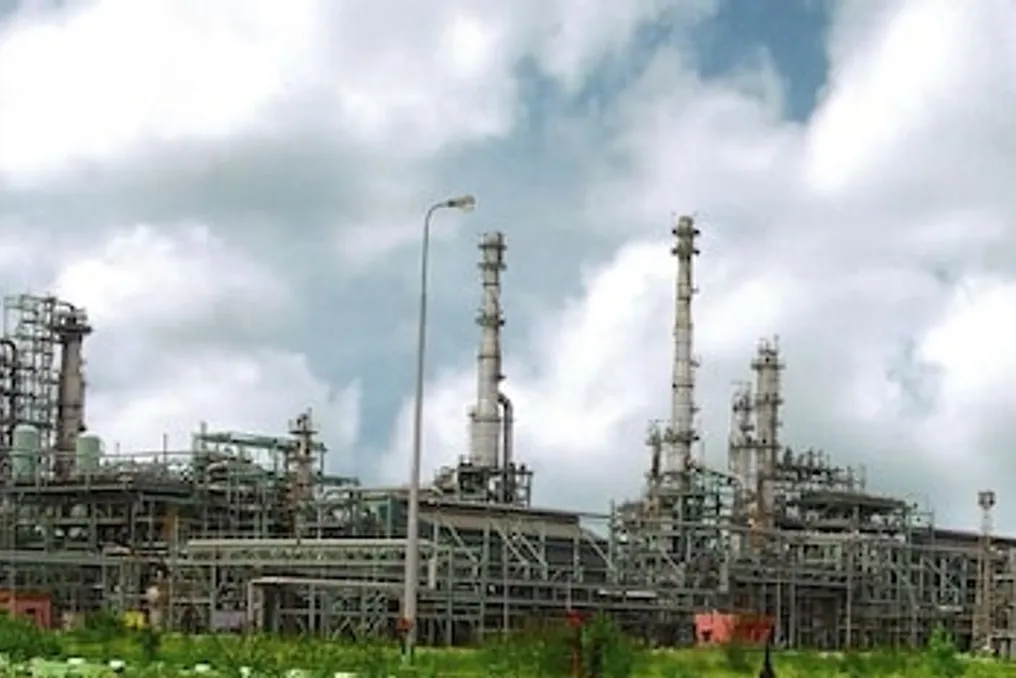
The Indian state-owned company Chennai Petroleum Corp has announced plans to expand its oil refining capacity by a third, bringing it to 280,000 barrels per day. This information was presented in the company's annual report for 2025–2026, which was released on Saturday.
Currently, Chennai Petroleum operates a refinery in Manali, located in the southern state of Tamil Nadu, with a capacity of 210,000 barrels per day. Furthermore, the company stated its intention to modify the project of its planned Cauvery refinery in Tamil Nadu to increase its petrochemical intensity.
Previously, Chennai Petroleum and its parent company, Indian Oil Corp., the country's largest refiner, had planned the construction of an 180,000 barrels per day refinery project in the Cauvery basin. Chennai Petroleum, which opened its first retail fuel station in March, also plans to establish 300 such points across the country.
The company did not specify the timeline for implementing the plans to expand production capacities and the network of retail fuel stations.
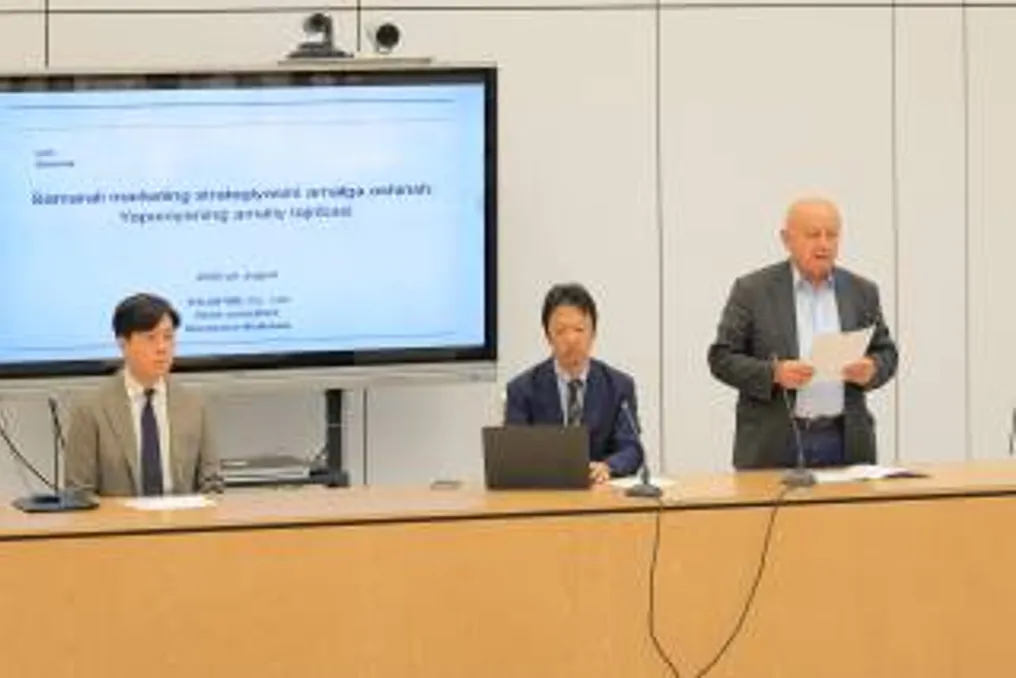
In the context of the modern global economy, contemporary marketing strategies are gaining crucial importance for increasing the investment attractiveness of regions, exporting local products to international markets, and forming competitive brands. For this purpose, a practical seminar on the topic 'Implementation of Marketing Strategy: Practical Experience of Japan' was organized in the city of Bukhara.
Responsible employees from departments responsible for economic development, investments, and foreign economic relations at the regional, city, and district levels participated in the seminar, gaining the opportunity to familiarize themselves with international experience.
Specialists from the Japan International Cooperation Agency (JICA), Masakazu Hirakawa, and Kiminyo Myong conducted comprehensive presentations on the most relevant areas of modern marketing. Issues such as the basic principles of developing an effective marketing strategy, brand marketing, product design, market and consumer needs analysis, data-driven decision making, the use of simulation methods, presenting national brands under a unified concept, as well as joint organization of international exhibitions and marketing events, were discussed in detail.
Japanese experts particularly emphasized that marketing is not just a tool for selling goods, but also an important means of enhancing regional prestige, forming a national brand, and securing a firm place in external markets. They presented practical recommendations for local producers to comply with world market requirements, increase export potential, effectively utilize consulting services, and regularly study global market trends.
Furthermore, advanced approaches that promote the further development of trade and economic and humanitarian cooperation between the two countries, as well as the implementation of new joint projects and the enhancement of the competitiveness of local products in global markets, were discussed.
The seminar participants received detailed answers from specialists regarding their questions about the presented knowledge and experience. The event, rich in mutual discussions and exchange of views, strengthened important knowledge and skills in the effective application of modern marketing tools in public administration and regional economy.
The seminar held in Bukhara opened up new opportunities to study Japan's advanced experience, expand international cooperation, and secure a worthy place for local products in the world market. This is undoubtedly an important step towards increasing the region's export potential, strengthening the prestige of national brands, and achieving a new stage of economic development.