The board of directors of African Rainbow Minerals (ARM) has approved the Bokoni project, valued at 15.2 billion Rands, which will double the company's platinum production within the group.
This large-scale plan aims to create shareholder value and establish a solid foundation for future growth in the global platinum group metals (PGM) market. ARM's presentation to investors on Friday demonstrated a clear development roadmap following the completion of a comprehensive feasibility study.
The study, finalized in June, assessed key operational areas, including mining, processing, infrastructure, capital expenditure, and cost management. According to the group's presentation, the chosen operating model is based on traditional block caving, supplemented by mechanized development, ensuring high efficiency and greater output.
Technical verification conducted by the global consulting firm Hatch, along with subsequent financial model assessment, confirmed the project's viability. Previously, Bokoni had been in maintenance mode since 2017 because Anglo American Platinum and Atlatsa Resources could not generate profits due to complex mining conditions. ARM acquired Bokoni in December 2021 for 3.5 billion Rands and subsequently committed to investing an additional 5.3 billion Rands over three years for mine reconstruction. The current estimated value of the new project stands at 15.2 billion Rands.
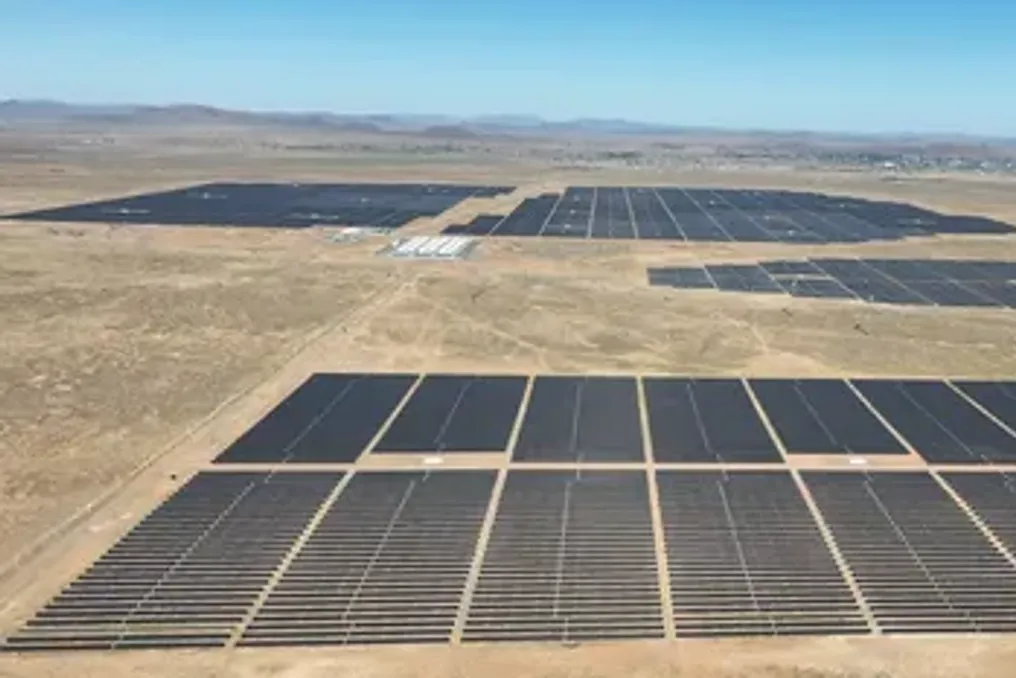
The Bokoni project is set to increase annual production capacity by 350,000 – 400,000 ounces of 6E (platinum, palladium, rhodium, osmium, iridium, and gold), effectively doubling the volume of PGM attributed to ARM. This will expand operations not only at Bokoni but also at the Two Rivers and Modikwa mines. With an expected capacity of 180 thousand tonnes per month (ktpm), the development offers a competitive cost structure, strengthening ARM's market position.
The nineteen-year operational plan involves utilizing only 13% of the measured and indicated mineral resources of the Upper Bokoni Group, leaving significant reserves for future exploration and development. The ore body contains approximately 31 million ounces of 6E with an average grade of about 7.4 grams per tonne and 18% chromium content, highlighting potential for both immediate profit and long-term sustainability.
The project's financial forecast appears robust, evidenced by a projected internal rate of return (IRR) of 28%, exceeding ARM's investment thresholds. This financial strength will enhance the group's global competitiveness and unlock the full potential of the high-quality asset ARM already owns. The average head grade at Bokoni, at 6.1 grams per tonne, is significantly higher than at Modikwa and Two Rivers, and existing infrastructure simplifies development timelines and reduces capital costs.
The phased approach to the project will link capacity increases directly to development stages. Initial operating capacity will grow from 60 thousand tonnes per month to the planned 180 thousand tonnes per month by 2033, allowing for gradual volume scaling with prudent cost management. Modernization of existing infrastructure, including the recommissioning of the chrome recovery plant, will ensure early cash flow generation, creating a basis for stable financial returns.
With an anticipated peak funding of 10.4 billion Rands by September 2029, the payback period for the investment is estimated at 6.3 years. A conservative base case forecasts an annual free cash flow of 4 billion Rands before financing, supported by a cautious long-term price outlook. Nevertheless, ARM plans to manage price volatility through staged capital deployment and strict funding control. ARM, leveraging over two decades of experience in underground platinum mining, aims to successfully execute the Bokoni project, especially against the backdrop of significant growth in global platinum prices—from around $1,000 per ounce at the end of 2025 to nearly $2,800 per ounce in January 2026 (although the price later dropped to approximately $1,600 per ounce).