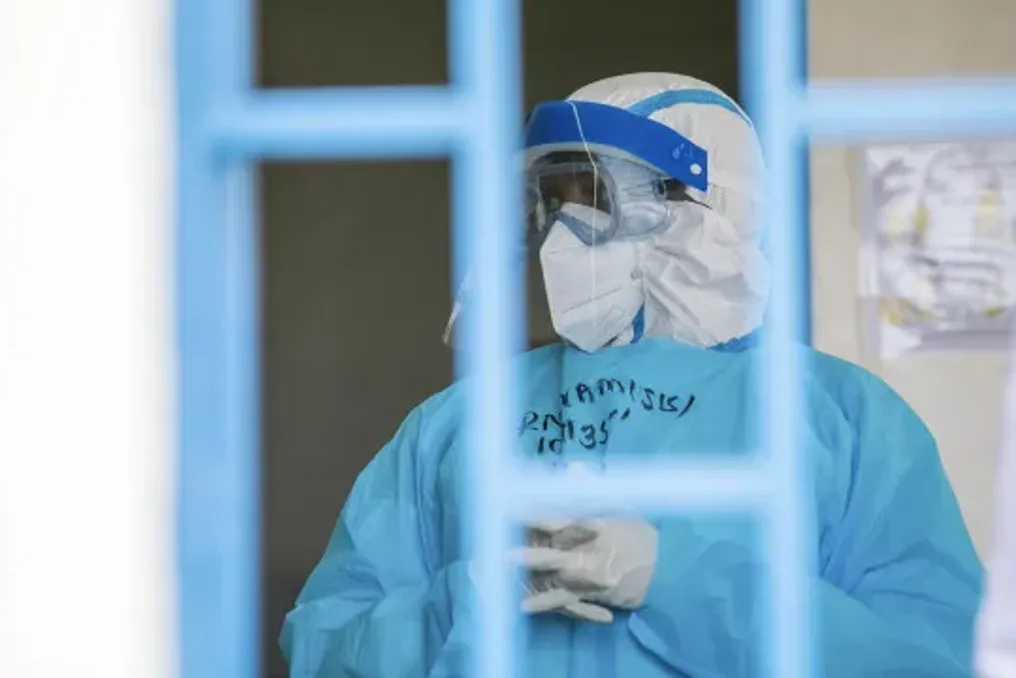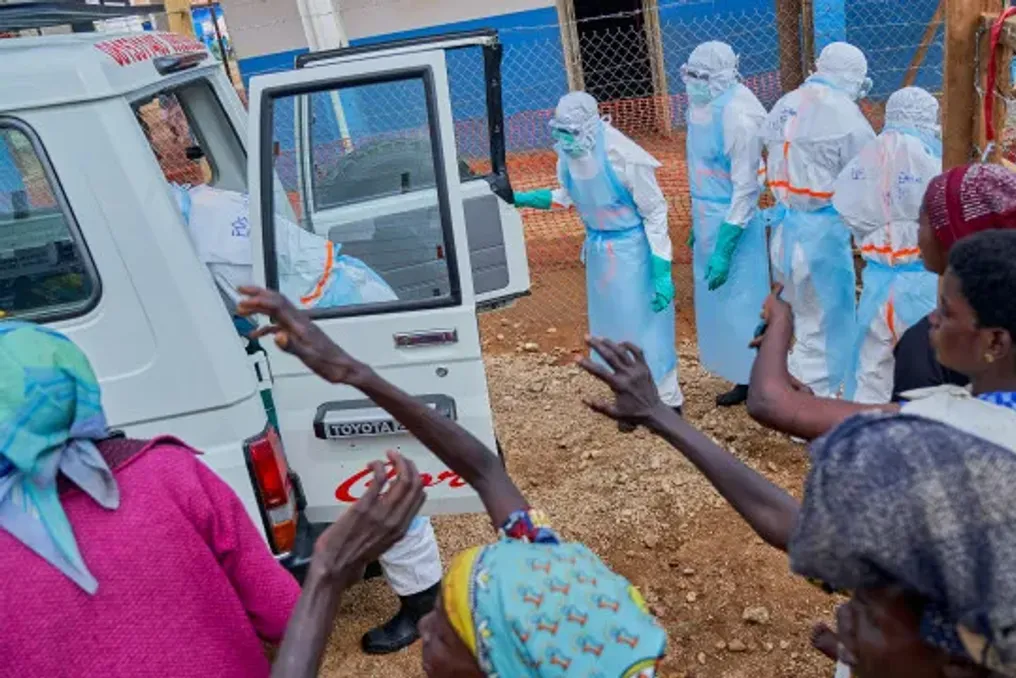
According to the latest official data, compiled up to July 30 and released by the DRC's Ministry of Communication, the current mortality rate in the Ebola outbreak reaches 44%.
To date, 748 individuals are in isolation or hospitalization, and 651 patients are recovering from the disease. The contact tracing rate was recorded at 75.3%.
DRC authorities confirmed that five Congolese provinces have been affected by the Ebola epidemic. These include Ituri, which is the epicenter of the outbreak, as well as North Kivu, South Kivu, and Haut-Uele, located in the east, and Tshopo, situated in the north-central region.
The Ministry communicated that awareness actions regarding risks and community involvement are being intensified. This is done through home visits, educational lectures, community dialogues, and radio broadcasts, aiming to reinforce the population's adherence to preventive measures.
This current outbreak, being the seventeenth to affect the DRC, became the second largest in terms of registered infections on Friday. It surpassed the outbreak that occurred between 2018 and 2020, which also took place in the eastern part of the country and resulted in 3,481 cases and 2,299 deaths.
The most severe outbreak ever recorded occurred in West Africa between 2014 and 2016, causing about 28,000 infections and approximately 11,000 deaths.
The epidemic began on May 15 in Ituri, a province bordering South Sudan and Uganda, and has since spread throughout the DRC. On July 16, Ugandan authorities released the last hospitalized patient, recording a total of 20 confirmed infections, 15 of which were considered imported from the DRC, and two of these were fatal.
The Government of Uganda declared the country Ebola-free on July 28, after a continuous period of 42 days without new cases.
The epidemic is associated with the Bundibugyo strain, which has a mortality rate ranging between 30% and 50%. According to the World Health Organization (WHO), there is no approved vaccine or specific treatment for this strain.
The WHO classifies the risk of the outbreak spreading in Sub-Saharan Africa as high, while the global risk is considered low. The Ebola virus is transmitted through direct contact with the body fluids of infected people or animals and causes severe hemorrhagic fever, vomiting, diarrhea, and internal bleeding.