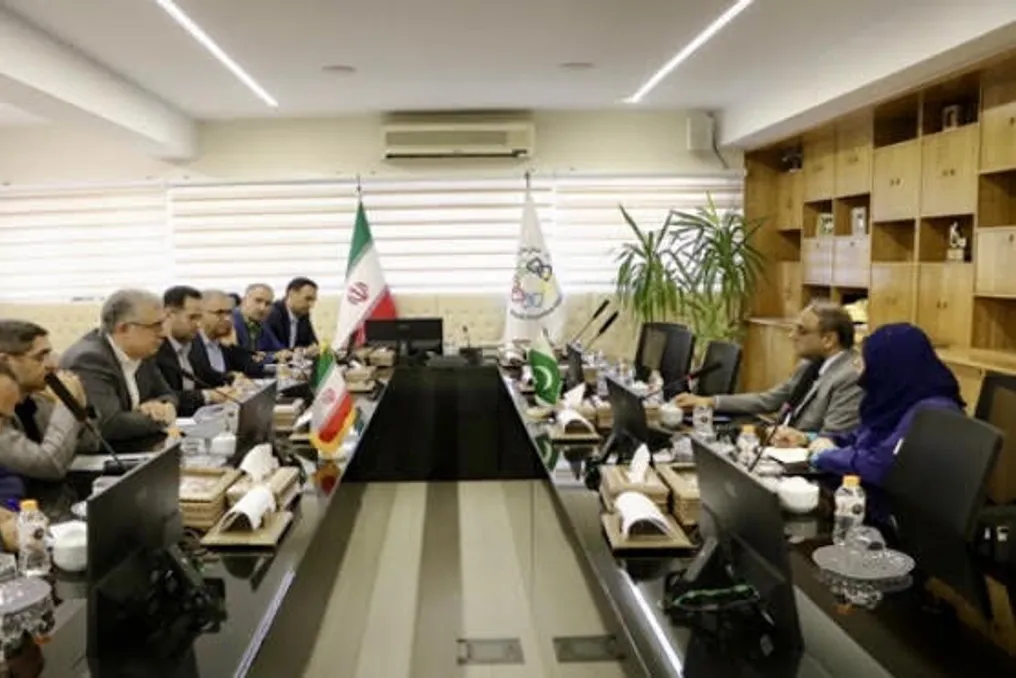
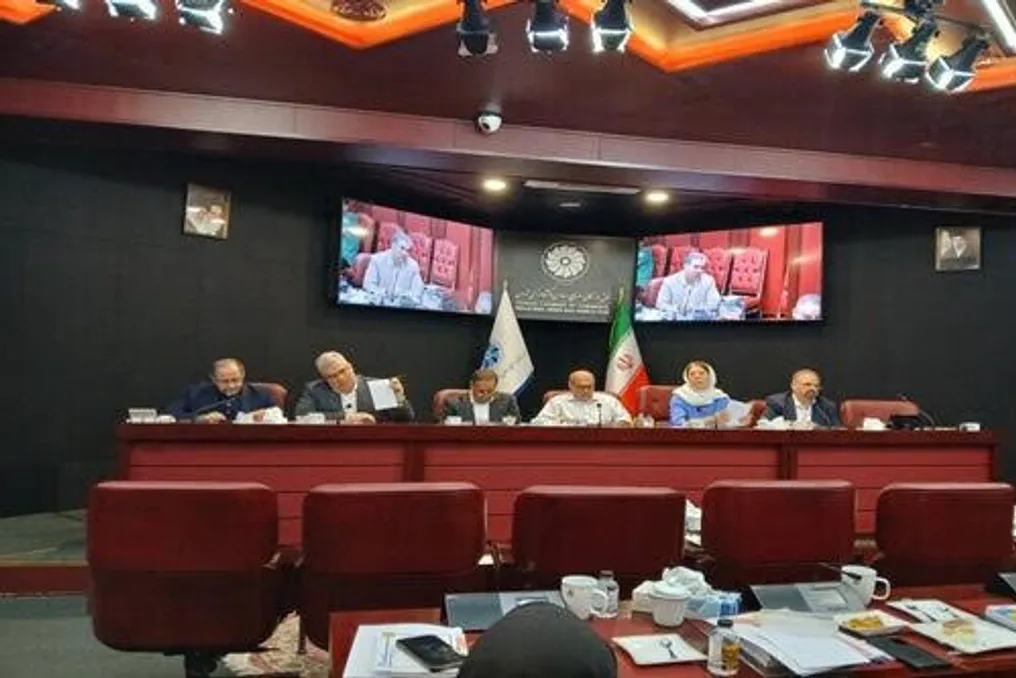
The head of Iran's Trade Promotion Organization (TPO) announced plans for the organization to make changes and review trade-related rules, as well as eliminate internal obstacles and strengthen the trade guarantee infrastructure with the participation of the private sector.
State and Business Interaction
Mohammad-Ali Dehghan Dehnavi, a representative of the TPO, emphasized the importance of cooperation between the public sector and private business during a meeting with the Tehran Chamber of Commerce representative council. He noted that such gatherings are held to hear the proposals and concerns of economic actors and jointly find solutions to improve business processes.
Foreign Trade Issues
Addressing existing difficulties in foreign trade, Dehghan Dehnavi pointed out that some problems faced by economic actors are related to systems and processes managed by various departments. He insisted on the need for a clear definition of responsibilities for each structure and strengthening coordination among relevant authorities. He also clarified that the Comprehensive Trade System and the TPO are fundamentally different entities, with the TPO playing only a limited role in managing this system.
Currency Regulation and Resources
The head of the TPO defined three main axes of the Ministry of Industry, Mining, and Trade's role within the Comprehensive Trade System: determining currency allocation priorities, currency optimization, and currency quotas. The process of determining currency allocation priorities is carried out according to established rules, and decisions made are based on specific indicators. Regarding currency optimization policy, it aims to manage foreign currency reserves and regulate the import of certain goods, with the plan providing for reducing restrictions and focusing the mechanism on essential goods groups, despite the impact of currency resource shortages.
Managing Currency Quotas and Sanctions
A currency quota is set to control the volume of imports by economic actors in line with the country's resources and policies. Efforts are being made to simplify processes while maintaining discipline in resource management. The head of the TPO reported that resource management prioritizes ensuring essential goods and the production sector, and resources obtained from exports are used to cover the country's needs in coordination with the Central Bank. Dehghan Dehnavi noted that a significant portion of inquiries to the TPO relates to obstacles arising from regulations, banking procedures, financing, distribution, and currency obligations.
Reform and Guarantees
He specifically highlighted the role of sanctions as a source of problems for the country's foreign trade. Although the private sector has found its own ways to overcome restrictions, these paths have increased economic costs for the country, so any easing of sanctions will be a major achievement. Dehghan Dehnavi considers one of the most important tasks of the TPO to amend regulations to reduce internal barriers. In the new organizational structure, regulatory issues will be examined more closely, and a special competence will be created to review and facilitate trade rules.
Furthermore, he stressed the need to revise rules concerning the repatriation of export currency. The goal of these changes is not to weaken currency return but to develop mechanisms that stimulate and support exporters' activities while maintaining the return of currency into the country's economic circulation. To strengthen the guarantee infrastructure in the trade sector, it was proposed that the private sector, together with chambers of commerce, establish a specialized institution to provide commercial, customs, and banking guarantees. According to the Deputy Minister of Industry, Mining, and Trade, such an institution could create significant opportunities for issuing guarantees both domestically and internationally.
Conclusion
Dehghan Dehnavi concluded his speech by calling for continued dialogue and cooperation with the private sector. He stated that the mission of the TPO is to eliminate internal obstacles, simplify business processes, change the regulatory framework, and create more favorable conditions for producers, exporters, and importers, which is only possible with the participation and cooperation of the private sector.