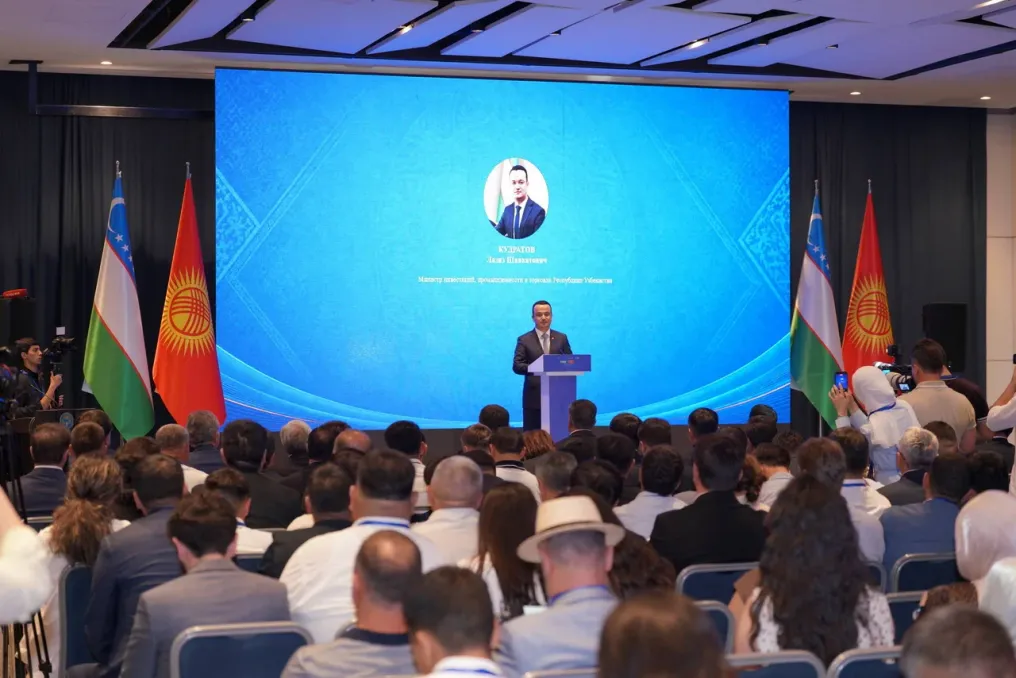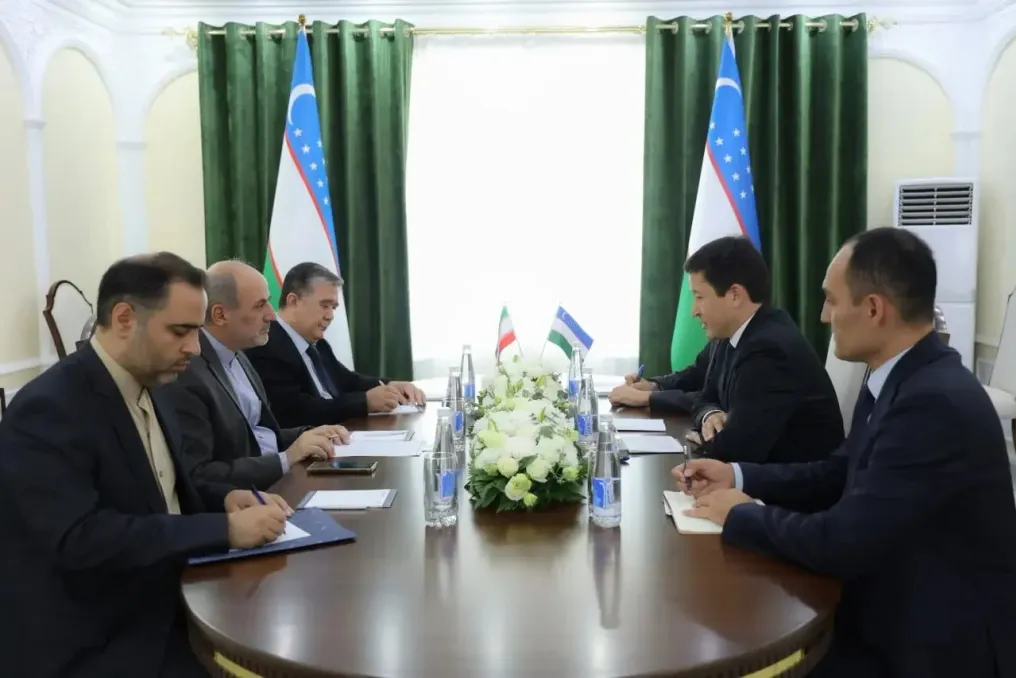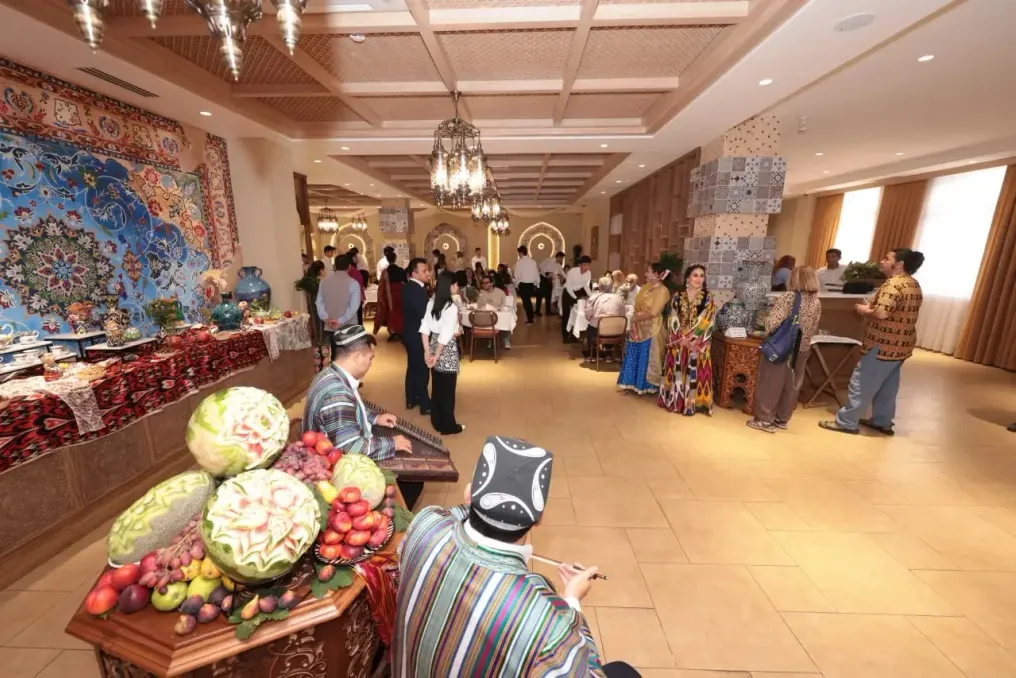
A festival dedicated to the development of gastronomic tourism was held in Tashkent, Uzbekistan. The event was organized with the support of the Embassy of India in the Republic of Uzbekistan in collaboration with the Tourism Committee of the Republic of Uzbekistan.
The festival gathered representatives from the tourism industry, owners of hotel and restaurant businesses, experts in healthy eating, and individuals interested in developing modern culinary trends.
Speech by Representatives of the Tourism Committee
Opening the festival, Sanjar Tadjiev, Deputy Chairman of the Tourism Committee of the Republic of Uzbekistan, emphasized that gastronomic tourism is becoming a key factor in increasing the country's tourist attractiveness. He noted that expanding gastronomic offerings to satisfy various dietary preferences will make Uzbekistan a more comfortable and attractive destination for foreign guests.
Master Class and Principles of Ayurveda
The central event of the program was a master class by Nihila, Director of Lifestyle and Wellness, an expert in healthy living and nutrition, and holder of a PhD in Ayurveda. The expert presented the concept of the six tastes, which, according to her, is detailed by the physician Abu Ali ibn Sina (Avicenna) in his medical works. According to Ayurvedic principles, a balanced diet should include all six tastes in moderation to maintain the body's internal balance and form healthy eating habits.
The practical session focused on adapting traditional Uzbek dishes to plant-based eating principles. Participants were presented with a menu developed in collaboration with a doctor, where classic recipes were modernized with minimal changes. Excluding animal fats allowed the traditional taste of national cuisine to be preserved, giving the dishes a completely vegan character and compliance with Ayurvedic principles.
Prospects for Culinary Development
According to Nihila, Ayurvedic gastronomy is currently one of the fastest-growing sectors of the global food industry and health tourism. In this regard, Uzbek restaurants and catering enterprises were recommended to gradually increase the range of vegan dishes, starting with a few items and increasing them as consumer demand grows.
Participants paid special attention to the prospects for the development of gastronomic tourism. It was noted that as the flow of tourists to Uzbekistan increases, the need for diverse menus that take into account various cultural, religious, and dietary characteristics also grows. Expanding such offerings improves service quality, strengthens the competitiveness of the tourism sector, and shapes the modern image of the country as a hospitable place for global travelers.
The festival concluded with a tasting of dishes made from local seasonal products. Guests appreciated the potential of Uzbek cuisine for creating modern, balanced, and popular vegan gastronomic offerings. This festival marked another step in expanding cooperation between Uzbekistan and India in the fields of tourism, gastronomy, and sustainable development, serving as a platform for exchanging experience and implementing international best practices in the hospitality industry.