According to the Operation Vulindlela report for the first quarter of 2026, published on Thursday, progress has been made in several structural reforms, including changes in the electricity sector, freight logistics, water supply and sanitation, as well as in visa and immigration policy.
Operation Vulindlela (OV) reported significant advancement within several structural transformation programs. These programs cover electricity, freight logistics, water and sanitation, visa reform, local government, and digital public infrastructure. These steps are being taken by the government with the aim of accelerating economic growth and improving the quality of services provided.
The Operation Vulindlela progress report for the first quarter of 2026 notes that reforms initiated in April 2026 have advanced across all seven priority areas of the initiative. Operation Vulindlela Phase II is a joint project of the Presidency and the National Treasury aimed at accelerating structural changes to support faster and more comprehensive economic growth while simultaneously improving the delivery of public services.
The report highlights significant achievements, particularly in reforms designed to strengthen institutions, improve infrastructure, and attract more private investment.
Energy Sector Reform
The reform in the energy sector continued to gain momentum, demonstrating movement towards creating a more competitive electricity market. According to the report, the Eskom Restructuring Team (ERTT) completed the first phase of its work overseeing the creation of a fully independent state transmission entity. This step is described as critical for ensuring that the Eskom restructuring is conducted in a manner that minimizes financial, operational, and fiscal risks while maintaining energy security and supporting the energy sector's reform goals of reducing high electricity costs.
Freight Logistics Development
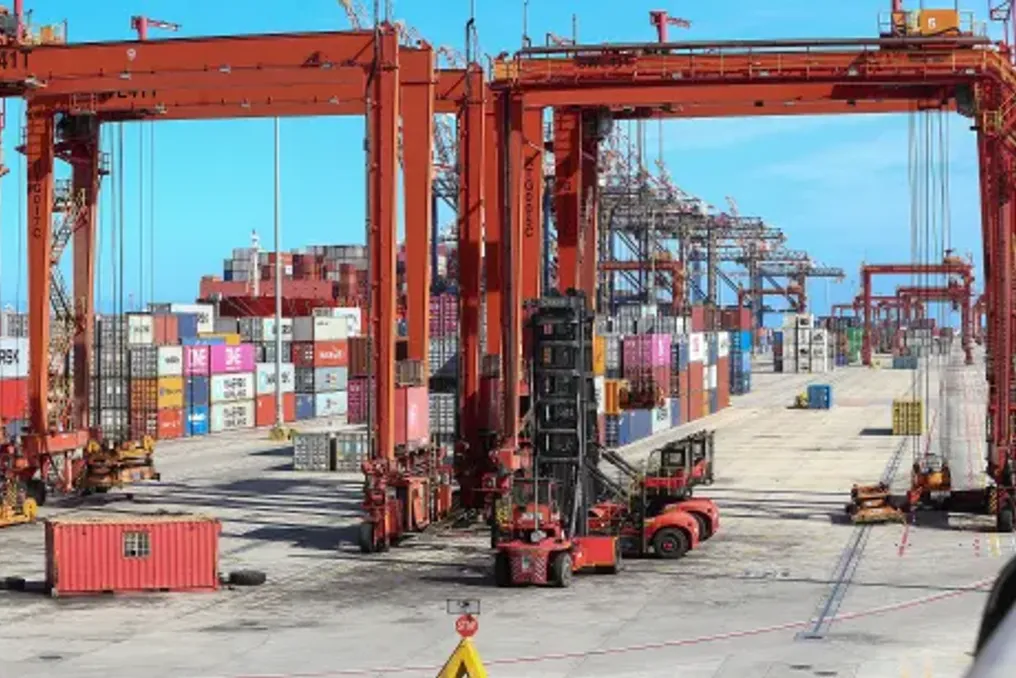
The reform in freight logistics has also progressed thanks to continuous institutional changes and efforts to expand private sector participation in the rail and port sectors. During this quarter, the government published the latest version of the Network Statement to facilitate access for multiple operators to the rail network for cargo transport. Rail access agreements were concluded with 11 rail operators, a plan was developed for implementing the corporatization of the Transnet National Ports Authority, and the draft National Railways Act was finalized to create a modern legislative framework for railway reform.
Water Supply and Sanitation
In the water supply and sanitation sector, reforms have focused on improving governance, regulation, and infrastructure investment. The report noted the establishment of the Water Crisis Committee (WATERCOM) and the publication of the National Water Action Plan as key events ensuring a coordinated response to water challenges in South Africa. Furthermore, progress was made in implementing the South African National Water Resources Infrastructure Agency (SANWRIA), advancing the Water Services Amendment Act, introducing a Revised Raw Water Pricing Strategy, and expanding infrastructure projects through the Water Partnerships Management and the newly established Infrastructure Finance and Implementation Support Agency (IFISA).
Visa and Immigration Reform
The report also stated that the reform in visas and immigration continues to modernize South Africa's visa and immigration system to support tourism, investment, and the attraction of skilled labor. It was indicated that work is underway to expand the Electronic Travel Authorization (ETA) system to all relevant countries and for several visa categories. Phase II of the Trusted Employer Scheme has been launched, allowing all eligible employers to participate, and progress has been made in implementing new visa programs to support business events, tourism, and creative industries. The government has also advanced the redevelopment of major land border crossings through public-private partnerships to enhance the efficiency of cross-border trade and travel.
Local Government and Housing Reform
The report highlighted successes in local government reform aimed at strengthening municipal governance, improving service delivery, and ensuring more sustainable municipal financing. It is reported that the first group of urban municipalities is implementing reforms under the Municipal Trading Services Reform Programme to improve the management and performance of municipal trading services. Progress was also noted in finalizing the White Paper on Local Government, the draft Amendment Bill to the Municipal Finance Management Act, a review of the Local Government Fiscal Framework, and preparation for implementing the expanded mandate of the Commission for State Service within local government.
Reforms in spatial integration and housing construction continued: the government is working on measures aimed at improving access to affordable housing and reducing spatial inequality. These measures include developing demand and capital subsidy programmes, designating strategically located state land for housing development, and addressing the issue of delays in national title deed registration. Additionally, it was noted that the Passenger Rail Agency of South Africa (Prasa) continues to restore passenger train services and increase rolling stock availability to improve urban mobility and support economic integration.
Digital Public Infrastructure
Reforms in digital public infrastructure have focused on implementing the Digital Transformation Roadmap through the continuous development of the MyMzansi platform, the MzansiXchange data integration layer, the digital identification system, and the modernized payment programme. During the quarter, the main focus was on establishing the technical and managerial foundations necessary to provide integrated, citizen-centric digital services while strengthening interoperability between government systems.