The stability of municipal finances is a critical condition for ensuring reliable access to basic services for the population, such as water supply, electricity, sanitation, waste removal, road maintenance, public transport infrastructure, and public facilities.
Recent financial information presented to the eThekwini municipality's Finance Committee raises serious concerns regarding the city's long-term financial sustainability and its ability to maintain an acceptable level of service delivery.
The main problem is the municipality's growing debt burden. According to current reports, eThekwini has outstanding loans amounting to approximately 9 billion rand and is seeking approval for additional borrowing of 2 billion rand.
While borrowing itself is not inherently problematic, as it is often necessary to finance long-term infrastructure projects such as sewage treatment plants, roads, and power grids, debt sustainability depends on sufficient revenue growth, prudent expenditure management, and adequate liquidity.
Another worrying aspect is the municipality's liquidity position. Liquidity is defined as having cash or equivalents available to allow an organization to meet its immediate financial obligations. Financial data shows that eThekwini has only seven days of cash on hand, excluding grant funding, and about 18 days when including it.
For a large urban municipality serving millions of residents and managing one of South Africa's largest local government budgets, maintaining only a few days of operating funds represents an extremely fragile financial situation.
Consequences of Insufficient Liquidity
The consequences of a lack of liquidity extend beyond financial reports and directly affect residents through a decline in the quality of services provided. When reserves are limited, municipalities often postpone preventive maintenance in favor of addressing only the most urgent infrastructure breakdowns.
Furthermore, contractors face payment delays, which slows down project completion and reduces the willingness to carry out municipal work. Suppliers may tighten credit terms or increase prices due to perceived financial risk.
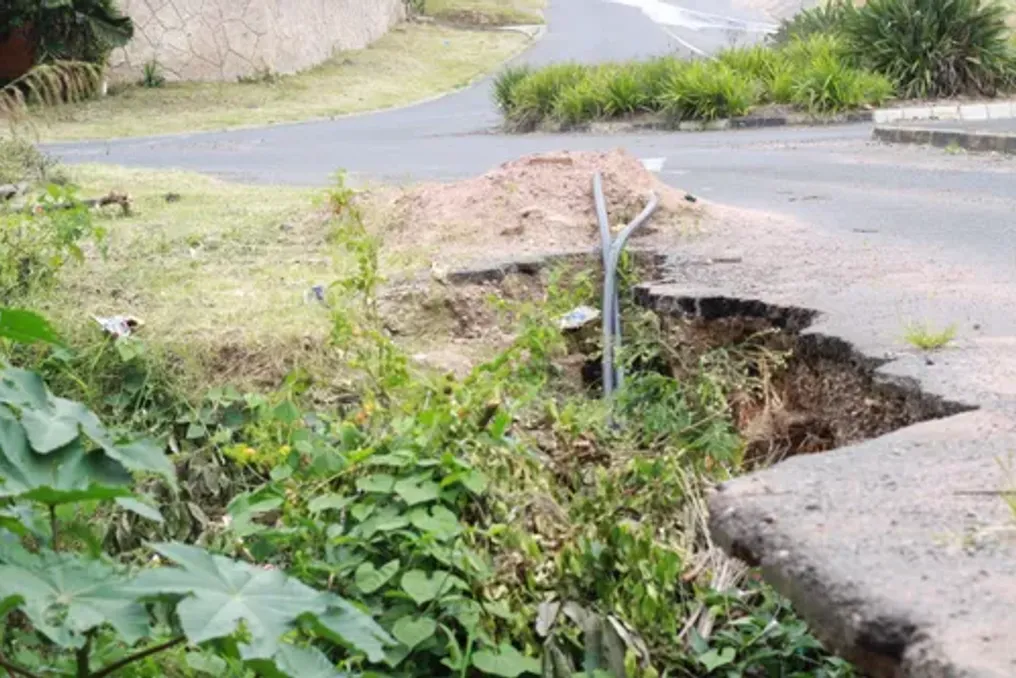
Postponing necessary maintenance of water networks, electrical infrastructure, roads, and storm drainage systems leads to further deterioration of assets and significantly increases future replacement costs. This process often results in municipalities facing a cash flow crisis experiencing accelerated infrastructure decay, despite increased spending.
Broader Economic Implications
Financial instability also carries broader economic implications. Rating agencies assess municipalities not only on their current financial performance but also on governance quality, institutional stability, debt management, and future repayment capacity.
eThekwini continues to have a negative outlook from global rating agencies, reflecting ongoing concerns about its financial sustainability. Lower ratings typically lead to increased borrowing costs, reduced investor confidence, and hinder municipalities' access to affordable capital needed for infrastructure development.
In such a state, financial difficulties can become self-perpetuating: decreased confidence discourages investment, economic weakening reduces municipal revenues, and lower revenues further undermine financial stability.
Paths to Restoring Financial Sustainability
Restoring financial sustainability requires a comprehensive strategy based on sound public financial management principles. The municipality must prioritize improving revenue collection, reducing billing errors, strengthening debt recovery, eliminating wasteful and irregular expenditures, and ensuring rigorous oversight of municipal finances.
It is also crucial to restore public trust through transparency, accountability, and consistent application of sanctions in cases of financial misconduct. The municipality must carefully evaluate its capital investment strategy to ensure that attracted funds are directed towards economically productive infrastructure capable of generating long-term public value.
Ultimately, municipal finances are not just about balancing a budget; they are about protecting the quality of life of residents, preserving public infrastructure, promoting economic development, and maintaining institutional authority. The financial figures presented to the eThekwini Finance Committee serve as an important warning about the growing fiscal pressure that could undermine service delivery and economic confidence if left unaddressed.
Achieving financial stability is not merely desirable but an essential prerequisite for building effective governance, sustainable economic growth, and improving the quality of life.