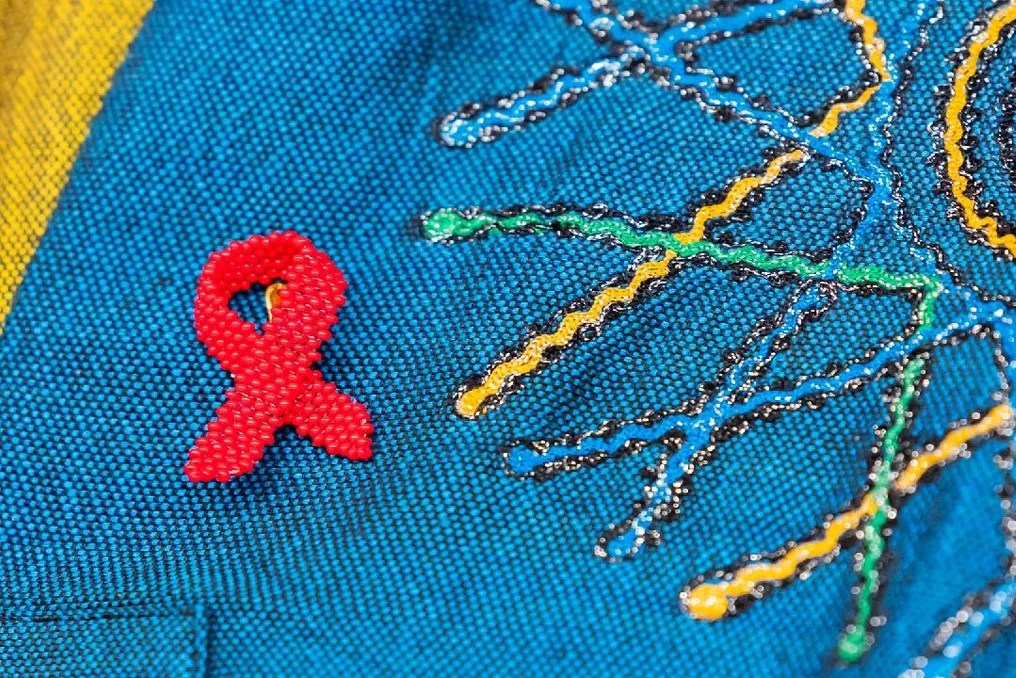
UNAIDS has issued a warning that the reduction in international funding for HIV prevention could trigger an epidemic resurgence, jeopardizing decades of progress.
In a report presented at the 26th International AIDS Conference held in Rio de Janeiro, Brazil, from July 26 to 31, 2026, the agency stated that global development assistance for HIV programs decreased by 23% in 2025, marking the sharpest decline in observation history.
This funding deficit contributed to approximately 1.2 million new HIV infections and 570,000 AIDS-related deaths as the world failed to meet key global targets.
Although new HIV cases and AIDS deaths are at their lowest levels in over three decades, UNAIDS emphasized that these achievements remain fragile and can be easily reversed without sustained investment and commitment.
Achievements in the Global Fight Against HIV
The report also highlighted significant progress in the global fight against HIV. Kenya, Lesotho, Benin, Eswatini, Rwanda, and Zimbabwe recorded nearly an 80% reduction in new infections since 2010, demonstrating that sustained efforts can yield tangible results.
The report showed that further progress is still possible thanks to new prevention tools that offer new hope for reducing HIV infections worldwide. A crucial step is the phased introduction of HIV prevention medications that provide protection against the virus similar to vaccination.
These innovations have the potential to transform prevention efforts by reducing the burden of daily pill intake in favor of more convenient options, including monthly or biennial doses.
Monthly and six-monthly injections are gradually appearing on the market, while oral prophylactic pills are in late-stage trials. The long-acting injection Lenacapavir has demonstrated near-complete protection against HIV infection in clinical trials.
Earlier this year, Kenya began implementing Lenacapavir in certain public health facilities where injections are administered under the supervision of certified healthcare workers.
The initial rollout targets high-prevalence regions and key populations, including adolescent girls, young women, and other groups at increased risk of HIV infection. Currently, ten African countries have implemented Lenacapavir, with Eswatini, South Africa, and Kenya being leading users.
However, challenges persist, such as high vulnerability to infection and unequal access to the vital injection. UNAIDS Executive Director Winnie Byanyama stated that scientific breakthroughs open unprecedented opportunities but stressed that innovations must be accessible and affordable to those who need them most.
Many developing countries risk falling behind due to the high cost of these new preventive measures.
This exclusion is exacerbated by the sharp drop in foreign development aid. Data from multiple countries show that global development assistance fell by 23% in 2025, which is the steepest decline to date.
Since HIV prevention programs have historically relied heavily on international funding, the reduction forces developing countries to seek alternative financing options to close the growing gap or risk losing hard-won achievements.
A 2026 study conducted in 47 countries revealed a significant decrease in community-level services, including a 50% reduction in support for HIV prevention and treatment, and a 72% drop in assistance for survivors of gender-based violence.
The report also noted growing human rights threats, including rollbacks affecting the sexual and reproductive rights of women, girls, and marginalized communities.
Calls to Action and 2030 Goals
UNAIDS Executive Director Winnie Byanyama called on governments to review financing strategies and ensure coordinated, sustainable efforts to eradicate the HIV epidemic. At the AIDS 2026 conference, she strongly urged partners and governments to renew their commitment to achieving the goals outlined in the Political Declaration, emphasizing the need for solidarity, sustainable financing, and robust human rights protection.
Byanyama noted that the choice is clear: either risk resurgence by scaling back efforts or strengthen actions to end AIDS as a public health threat by 2030.
The world has set new HIV goals for 2030, which include expanding access to life-saving treatment for 40 million people and providing antiretroviral prophylaxis to 20 million people. These goals also aim to reduce stigma, discrimination, gender inequality, and restrictive policies affecting access to HIV services. Achieving these goals could prevent an additional 3.2 million new infections and 1.3 million AIDS-related deaths by 2030.