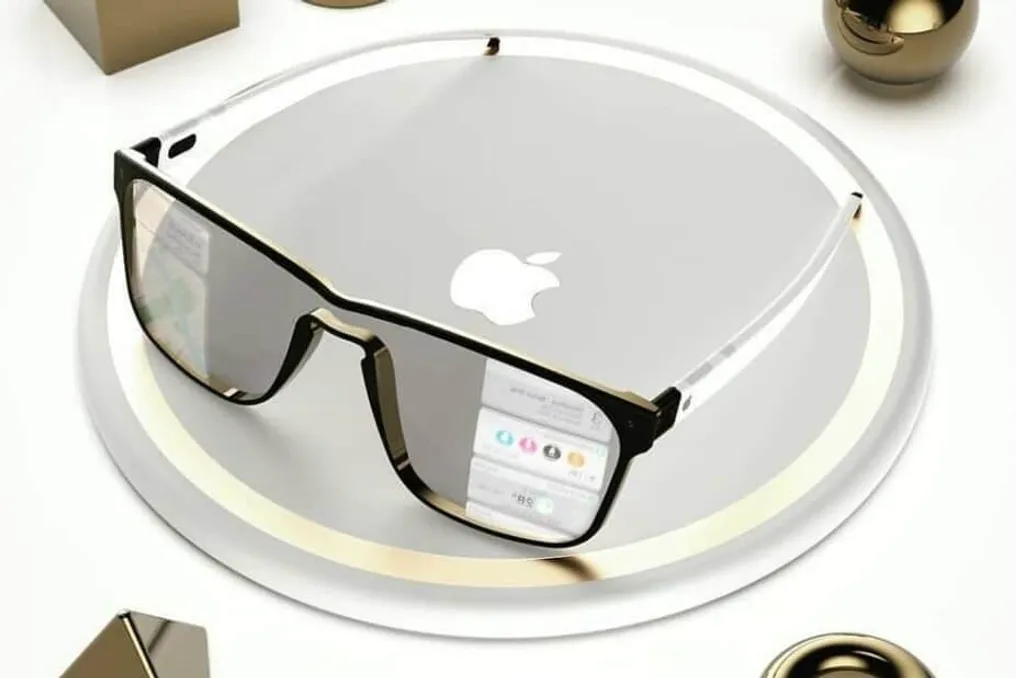
Apple has chosen to postpone the debut of its first smart glasses with the goal of improving product development and reviewing privacy issues. The initially scheduled date for the second half of this year has been changed, and it is now considered a possible reveal during WWDC, an event focused on the company's developers, which will take place in June of next year.
This decision comes amid growing alarm over discreet recordings made by similar devices, notably Meta's smart glasses, developed in collaboration with Ray-Ban. The company led by Tim Cook is currently evaluating various mechanisms to mitigate fears of misuse of cameras and consequently raise consumer confidence.
The project, which uses the internal code name N50, does not yet have a set date for reaching stores, although there is an expectation that its commercialization will occur before the end of 2027. This information was shared by Bloomberg journalist Mark Gurman and was also cited in reports attributed to CNET.
Privacy becomes a priority in development
Apple's main concern lies in the use of cameras in public spaces. Criticisms directed at Meta's models highlighted the risk of recordings being made without nearby people knowing, in places such as beaches, restaurants, gyms, and public roads.
Among the solutions the company is considering is the implementation of a physical indicator that signals when the camera is operational. This approach would follow a model similar to the one adopted by Meta, which uses an LED light to alert those present that the device is capturing images.
Additionally, Apple is said to have investigated the feasibility of launching a camera-less version. Another alternative examined would involve keeping the sensor exclusively to power Siri's artificial intelligence functionalities, without allowing photo or video capture. However, this latter hypothesis is expected to have fewer chances of progressing, given that recording everyday moments is considered one of the major attractions of this type of device.
Artificial intelligence should be the focus of the experience
The N50 glasses are expected to operate as an extension of the iPhone, providing quick access to functions such as sending messages, making phone calls, and playing music. Siri, equipped with artificial intelligence features, will be the main point of interaction between the user and the hardware.
The cameras will also play a relevant role in interpreting the surroundings. The device may offer assistance in situations such as route guidance during travel or identifying elements visible to the user, such as animals and buildings.
According to the data released about the project, Apple plans to avoid the facial recognition feature, concentrating artificial intelligence processing directly on the device itself. This strategy aims to reduce the amount of data transmitted to external servers and lower potential risks associated with personal data exposure.
Design and functionality are still under development
Apple's future glasses may feature various frame configurations. Larger models, with rectangular or oval designs, are being evaluated, as well as more compact versions with circular or oval shapes.
It is expected that the battery will provide enough autonomy to cover usage throughout a full day. The product will be designed as a complement to the mobile phone, intended for quick interactions and real-time information access.
Although Apple has not officially confirmed the launch, the delay suggests that the company seeks to refine the technology before entering a market characterized by uncertainties regarding public acceptance and privacy.