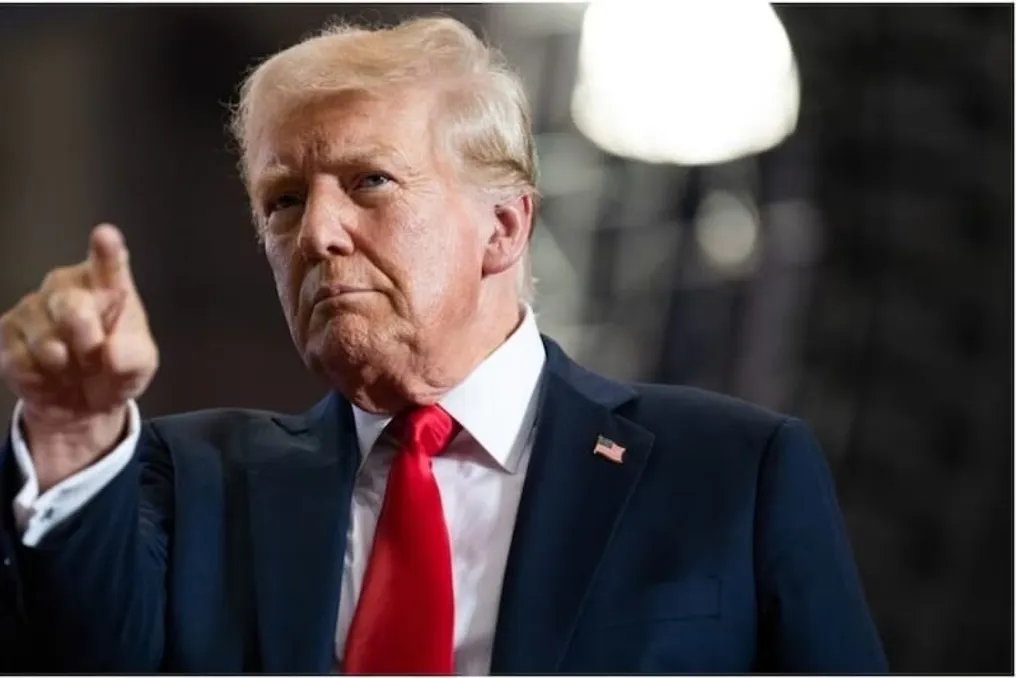
The US Senate recently approved a bill that allows for the imposition of a 100% tariff on the five largest countries in the world purchasing oil or natural gas from Russia. This law grants the US President the authority to impose such tariffs. Following the passage of this bill, India stated that it is closely monitoring developments.
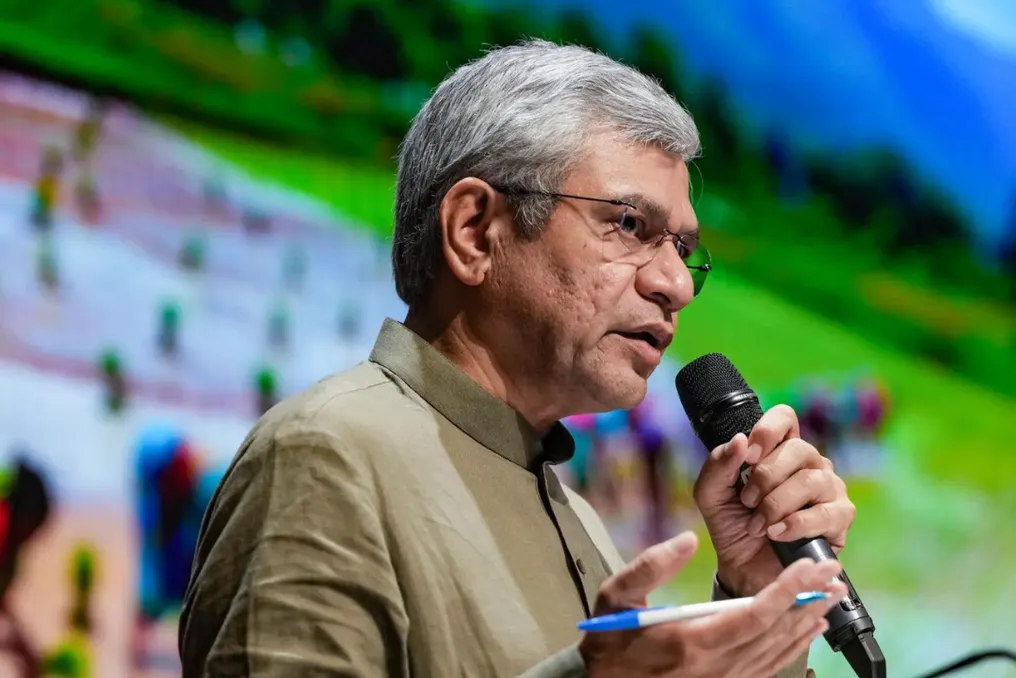
India imports energy from numerous countries. Foreign Ministry representative Randhir Jaiswal emphasized on Friday that India's policy on energy security has always been based on national interests and meeting the needs of 140 million people. To achieve this goal, India imports energy from various nations, including the US.
Jaiswal made this statement in response to a question about India's reaction to the bill, which was passed by the US Senate with a vote of 86 to 12. He reported that India maintains constant contact with the relevant parties in the US on this matter and is monitoring the situation.
The bill, titled 'Lindsey O. Graham Sanctioning Russia and Iran Act, 2026,' aims to impose strict sanctions on countries and organizations supporting Russia in its war against Ukraine. It targets Russian government officials, industrialists (oligarchs), their families, Russian banks, financial institutions, and the so-called 'shadow fleet.' The shadow fleet refers to a network of vessels used to export Russian oil bypassing restrictions.
According to Article 113 of this law, the president gains the right to impose additional tariffs of up to 100% on goods imported from countries that purchase large volumes of Russian oil or help Russia evade sanctions. Slovakia, Hungary, and Azerbaijan are also covered under this provision, as they are among the largest buyers of Russian oil, alongside India and China. Furthermore, the bill stipulates that the US Trade Representative (USTR) must conduct a quarterly review of these five largest buyers and recommend changes to tariff rates based on their purchases. If this law passes the House of Representatives, it could affect US-India trade relations and India's energy imports.