Japanese scientists have developed a method for selectively extracting polyurethane from composite materials using an iridium catalyst. This method allows for the degradation of polyurethane specifically, leaving other polymers such as polyester and polyamide untouched, which opens prospects for simplifying the chemical recycling of mixed waste, including sportswear.
The Problem of Mixed Waste Recycling
Currently, less than 12 percent of all plastic waste is recycled. Mixed plastic waste presents a particular challenge, such as materials for swimsuits and sportswear, which often consist of a combination of elastane (polyurethane), polyester (polyethylene terephthalate), and nylon (polyamide). Since these polymers require different recycling methods, and separating interwoven fibers is practically impossible, such clothing is most often sent to landfills or incinerated in countries with developed recycling infrastructure.
Selective Cleavage Method
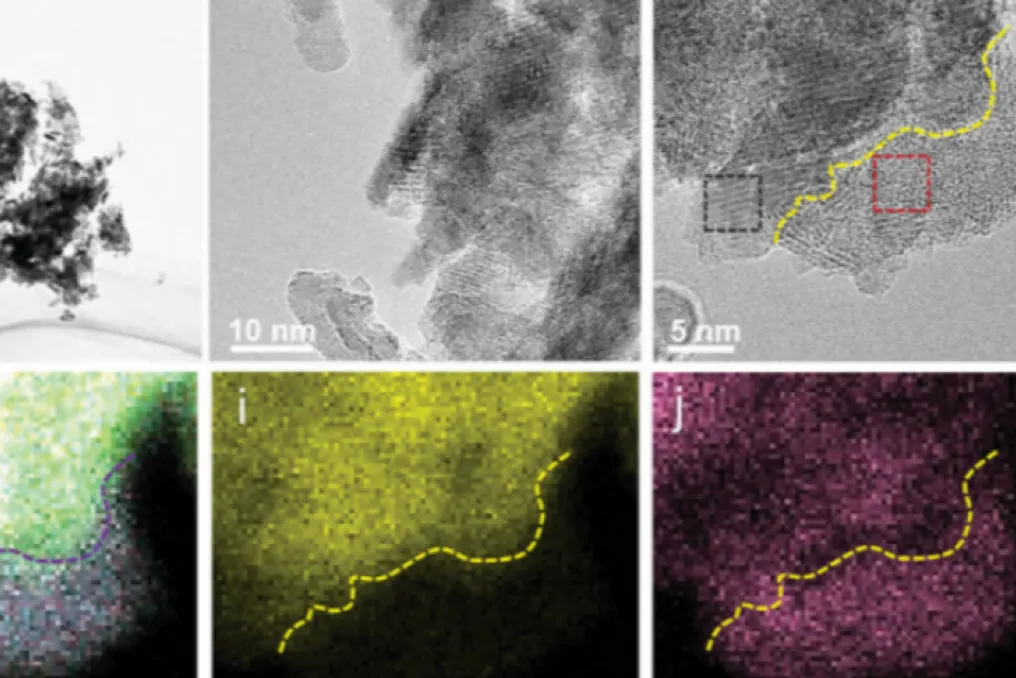
Kiyoko Nozaki from the University of Tokyo led the team that proposed this original solution. The scientists applied hydrogenolysis technology, which involves breaking down polymer chains using hydrogen activated on a special catalyst. To achieve selectivity for polyurethane, an iridium catalyst was tested in combination with various bases. It was found that weak bases did not provide sufficient catalytic effect, while strong bases caused not only the breakdown of polyurethane but also an undesirable side reaction of transesterification. Cyanomethyl potassium phenolate was identified as the optimal choice, effectively suppressing side processes while maintaining high catalytic activity towards polyurethane.
Testing on Real Samples
After fine-tuning the conditions, Nozaki and her staff tested the method on actual materials. When working with a sports shirt fabric containing 88% polyester and 12% elastane, they managed to almost completely remove the polyurethane component while the structure of the polyester remained unchanged. Gas chromatography analysis confirmed the presence of polyurethane decomposition products, but ethylene glycol, one of the monomers of polyester, was absent even in trace amounts, indicating no polyester degradation. Similar positive results were obtained when testing fabrics mixed with elastane and nylon, as well as kitchen sponges made from polyurethane and polyethylene terephthalate.
Prospects for Further Research
In the future, researchers plan to focus on the efficient recovery of products obtained from polyurethane decomposition, as well as on scaling up the entire process. Successful realization of these tasks could transform selective hydrogenolysis into a new, promising strategy for the chemical recycling of mixed plastics.