The Japanese Embassy in Tashkent reported that the Immigration Services Agency of Japan conducted the deportation of two citizens of Uzbekistan who were illegally in the country.
The Japanese Embassy in Tashkent reported that the Immigration Services Agency of Japan conducted the deportation of two citizens of Uzbekistan who were illegally in the country.
According to the embassy's data, both individuals entered Japan on short-term visas but remained in the country after the expiration of these visas. Subsequently, they were detained by Japanese authorities and deported at the expense of the Japanese government.
The diplomatic mission reminded citizens that individuals caught in illegal stay or employment in Japan face strict measures. These measures include police arrest, placement in an immigration detention center, and subsequent deportation.
It was also noted that Japanese authorities transmit information about violators of immigration legislation to the Government of Uzbekistan, which may lead to appropriate measures being taken against them upon their return home.
The embassy strongly urged citizens to exercise caution when receiving offers for illegal work and not to trust promises about the possibility of working in Japan without a permit.
Furthermore, the embassy emphasized that applying for refugee status cannot serve as a means to obtain long-term residency or the right to work. If the application is rejected, the applicant may be placed in an immigration detention center or deported. Providing false information or using fraudulent methods when applying can also entail serious legal consequences.
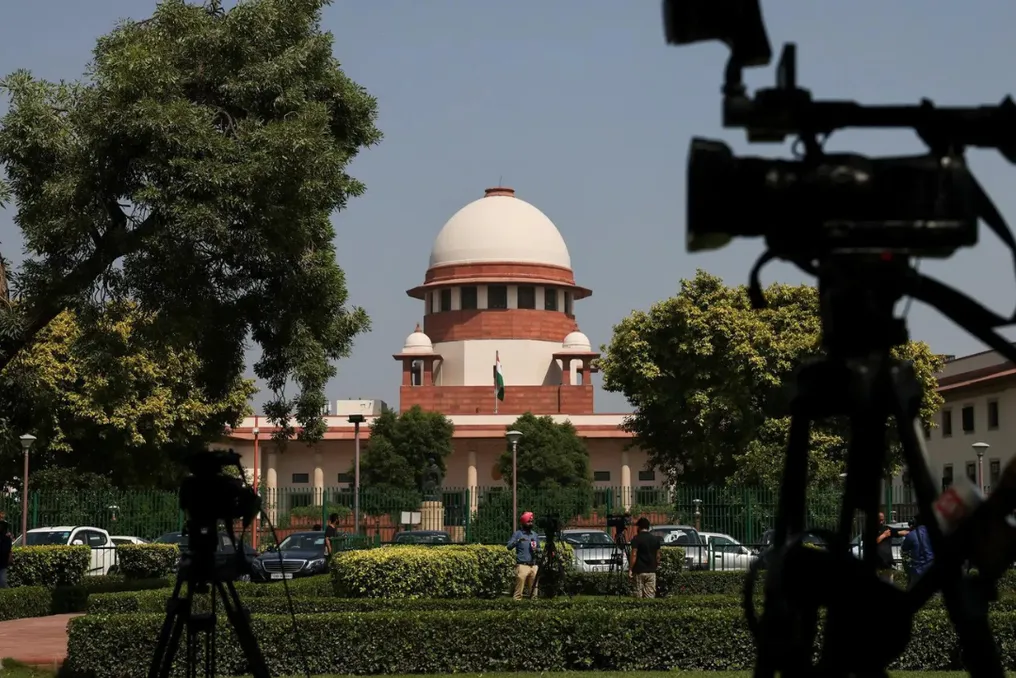
The Supreme Court (SC) has established a new standard for compensation in cases of death caused by stray livestock, especially against the backdrop of an increase in such incidents across the country. In an unprecedented case, the court awarded the family of a man who died in 2007 after being attacked by a bull in Punjab, compensation amounting to 1.5 million rupees.
The judicial panel, comprising judges Sanjay Karol and N. K. Singh, emphasized that government bodies cannot evade responsibility towards citizens who are injured or killed due to stray animals. Consequently, the court mandated all states to develop rules for creating a compensation payment mechanism in the event of accidents involving cattle, regardless of whether the victim was a pedestrian or a vehicle driver.
Furthermore, the court required the government to take measures to control stray animals and to take appropriate action against owners who leave their animals on streets and highways.