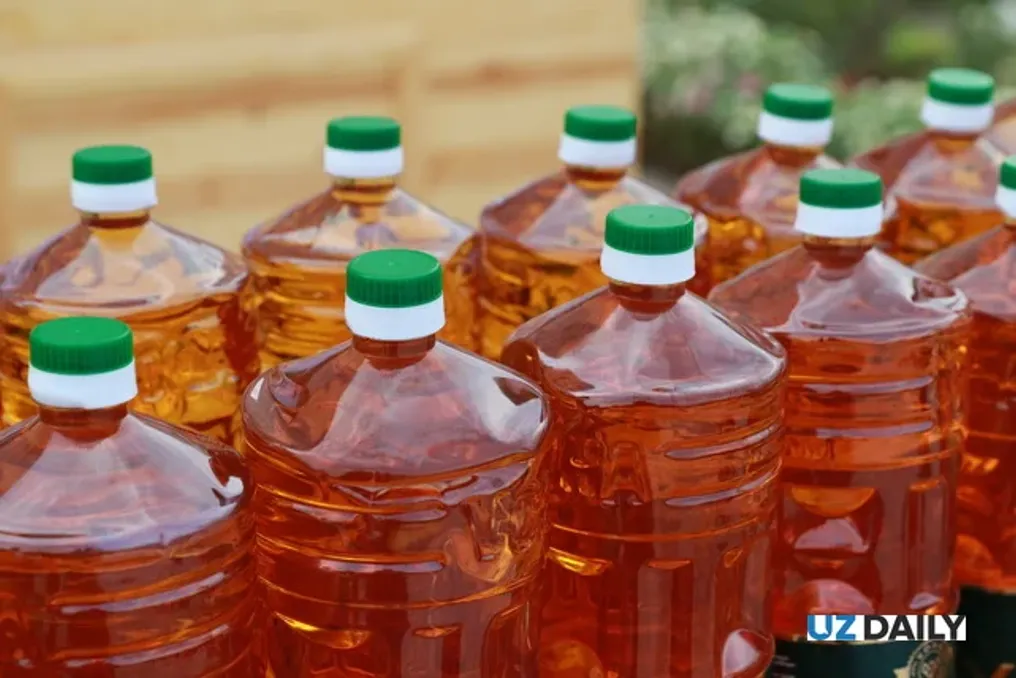
A proposal has been put forward in Uzbekistan to introduce an excise tax on imported palm oil. This initiative was presented by the Institute for Reducing the Shadow Economy, Improving Tax and Customs Administration, and Fiscal Analysis under the Ministry of Economy and Finance. The proposal was voiced on July 30 during a fiscal dialogue.
Proposed Rates and Revenue
The Institute suggests setting a specific excise rate of 139 US dollars per ton, equivalent to approximately 1.7 million soums. The initiative's authors calculated that this rate would account for about 10% of the average cost of importing palm oil in 2026, which is estimated at 1388 US dollars or 16.93 million soums per ton.
According to calculations, with an annual import volume of 12.8 thousand tons, the introduction of the new excise tax could supplement the state budget with approximately 21.7 billion soums in additional revenue.
Justification for the Initiative
The developers justify this initiative by stating that the market price of palm oil does not reflect the social costs associated with its consumption, including healthcare expenses. The presentation notes that in economic theory, such taxes are considered a tool for accounting for negative externalities.
The authors also believe that consumers are not always aware of the potential risks associated with consuming products high in saturated fats. Since palm oil is often used in processed food ingredients, the institute believes that labeling is insufficient, and pricing mechanisms can serve as an additional means of regulating consumption.
International Recommendations
The presentation cites recommendations from the World Health Organization, outlined in its 2016 report 'Fiscal Policy for Diet and Prevention of Noncommunicable Diseases,' according to which taxing foods high in saturated fats can be considered a measure to prevent noncommunicable diseases. Furthermore, the authors refer to the World Bank's position that such excises can simultaneously influence consumption patterns and provide additional budgetary revenues.
The Institute also points out that current tax benefits and zero rates create a price advantage for certain types of fats compared to alternative products. The developers believe that introducing an excise tax will help partially eliminate this imbalance. The materials from the event where the proposal was presented for discussion within the framework of the fiscal dialogue did not contain information regarding a decision on its implementation.