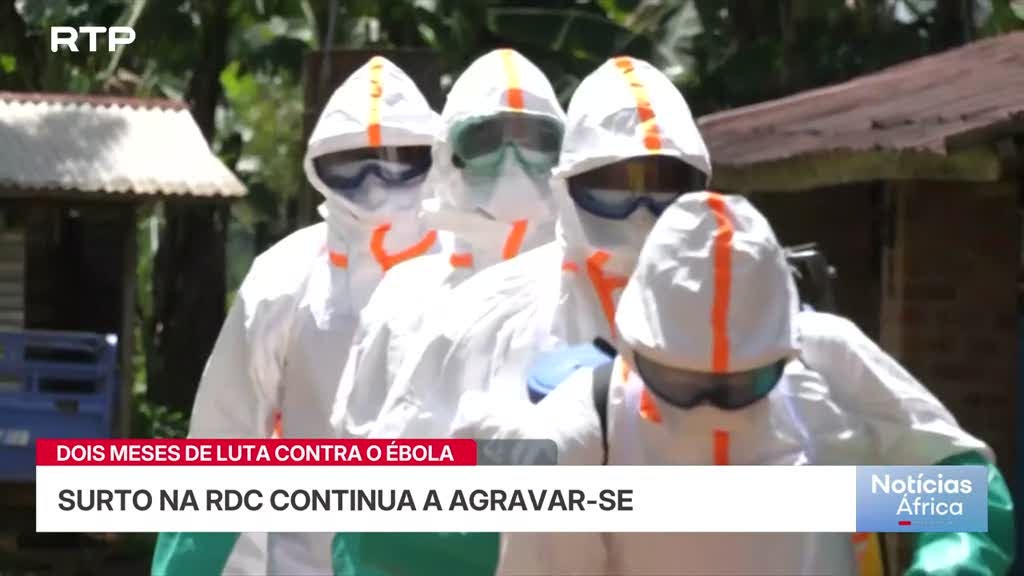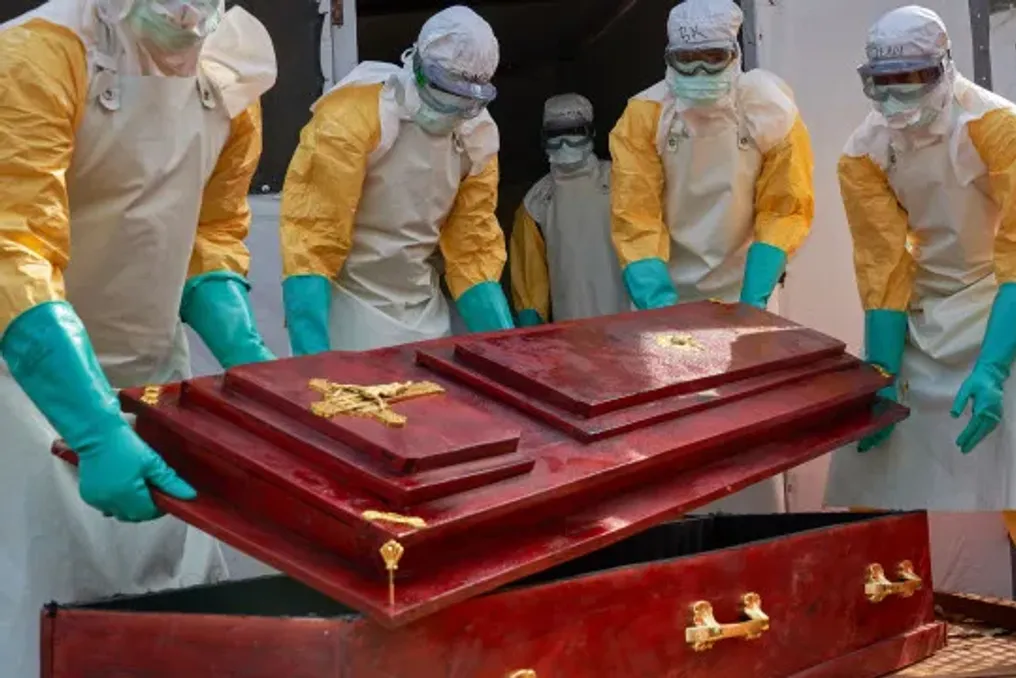
The Democratic Republic of Congo (DRCongo) is facing an Ebola epidemic in several provinces located in the eastern part of the country, an area that has suffered from conflicts for over three decades.
Ebola, a disease transmitted through contact with bodily fluids and characterized by causing hemorrhagic fever, has already resulted in more than 15,000 deaths across Africa in the last fifty years.
The deadliest epidemic recorded in the DRCongo accounted for approximately 2,300 deaths among the 3,500 identified cases during the period between 2018 and 2020.
According to data provided by Congolese authorities, 3,532 Ebola cases were confirmed in five provinces of the country by Friday, totaling 1,556 deaths.
The threshold of 2,000 confirmed cases was reached on July 15, just two months after the official declaration of the epidemic, which occurred on May 15.
This is the seventeenth Ebola epidemic in the country, caused by the Bundibugyo variant, for which there is currently no available vaccine or treatment.
Hilleman Laboratories announced on Thursday that it will develop a vaccine considered by the World Health Organization (WHO) to be the most promising for combating the current epidemic.
Additionally, the previous week, a volunteer received the first dose of another vaccine against the Bundibugyo variant, developed by the University of Oxford, which uses the same technology as the AstraZeneca vaccine against COVID-19.
The main epicenter of this Ebola epidemic, whose true extent is still difficult to measure and may extend for several months, is in the Ituri province, in northeastern DRC. This region concentrates about 90% of the cases, according to the WHO, and is close to the borders with South Sudan and Uganda.
The virus is also present in four other provinces, including North Kivu and South Kivu. In these locations, provincial capitals and large territorial areas are under the control of the non-governmental armed group March 23 Movement, which receives support from Rwanda.