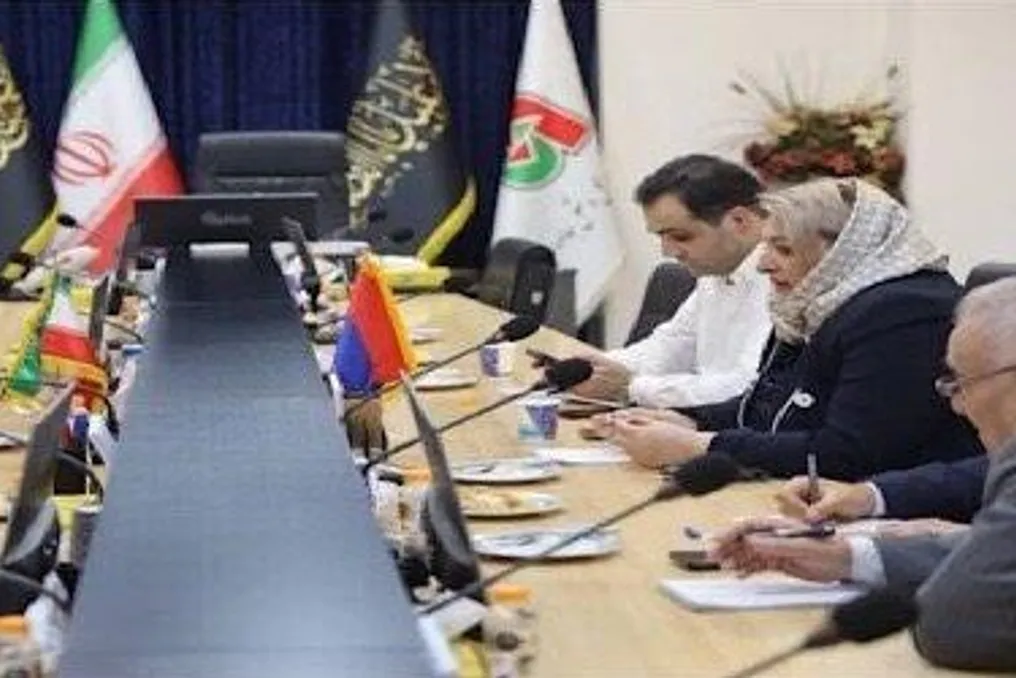
As part of implementing transport diplomacy and developing regional trade, the Deputy Minister of Territorial Administration and Infrastructure of the Republic of Armenia met with the head of the Iranian Road Service and Transport Organization.
As part of implementing transport diplomacy and developing regional trade, the Deputy Minister of Territorial Administration and Infrastructure of the Republic of Armenia met with the head of the Iranian Road Service and Transport Organization.
The parties exchanged views on ways to develop international cooperation in the field of road transport between the two states. According to IRNA from the Public Relations Department of the Road Service and Transport Organization, representatives of the Ministry of Foreign Affairs, the Center for International Relations of the Ministry of Transport and Urban Development, as well as the Acting Director of the Transit and International Transport Department of the Organization, took part in this meeting. During the meeting, the firm determination of both sides to strengthen transit infrastructure and eliminate existing obstacles was emphasized.
The Deputy Minister of Transport and Urban Development and the head of the Road Service and Transport Organization noted the serious commitment of high-ranking officials of the Islamic Republic of Iran to developing trade and transport cooperation with Armenia. He reported that a draft comprehensive memorandum of understanding was prepared after conducting the transport meeting in Armenia and intensive ministerial-level negotiations between the two countries.
Reza Akbari stated that this draft focuses on areas such as infrastructure development, eliminating barriers at border crossings, reducing or abolishing road tolls, and increasing the capacity of transit parks in the territory of both countries. He highlighted the high potential of Iran's trade exchanges with neighboring states, noting that creating parallel corridors in the region and fully activating the Iran-Armenia-Georgia corridor could significantly increase trade turnover and play a decisive role in the regional supply chain.
During the meeting, the Deputy Minister of Territorial Administration and Infrastructure of Armenia, welcoming the expansion of economic and transport interaction with Iran, presented a report on the progress of infrastructure projects. Galchian stated that the development of transit infrastructure is on the right track, and these measures will effectively contribute to solving drivers' problems, facilitating the movement of transit parks, and improving logistics at the border.
Referring to previous specialized meetings of high-ranking officials of the two countries, he added that another specialized meeting will take place in the near future to study in detail the proposed points of the memorandum of understanding and operational decisions on developing bilateral cooperation. The results of these negotiations will be announced through diplomatic channels.
The Acting Director of the Transit and International Transport Department of the Road Service and Transport Organization also stressed the need for full coordination of executive bodies to achieve common goals. Saeid Hosseini Hosseini stated that these dialogues, conducted within the framework of the Islamic Republic of Iran's macro-policy for developing strategic relations with neighbors and becoming a regional transit hub, are of particular importance and demonstrate the determination of the two countries to overcome traditional obstacles and move towards sustainable economic convergence.
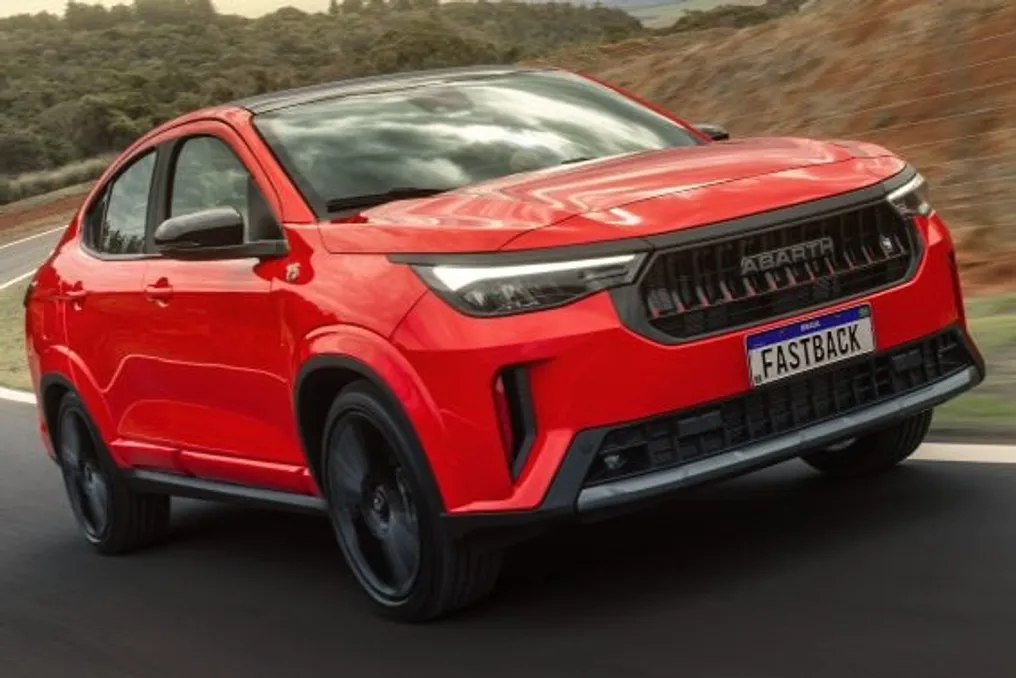
Fiat has implemented a promotional campaign offering discounts of up to R$ 27,598 on vehicles in the Abarth line, which includes the Pulse and Fastback SUVs. This offer, valid until August 4th, also includes the possibility of interest-free financing and installments of up to 50 times, a number chosen in reference to the automaker's 50 years of operation in Brazil this year.
The Abarth Fastback model receives the largest reduction, dropping from R$ 183,990 to R$ 156,392. The Abarth Pulse will have a discount of R$ 16,250, falling from R$ 162,490 to R$ 146,240. These conditions apply exclusively to retail purchases and are available across the entire network, which comprises over 500 dealerships nationwide, according to the manufacturer.
With the promotional values, both models have a nominally lower price than when they were launched. The Abarth Pulse, introduced in November 2022 for R$ 149,990, can be acquired for R$ 3,750 less. Similarly, the Abarth Fastback, launched in October 2023 for R$ 159,990, presents a reduction of R$ 3,598 compared to its initial value. It is important to note that these calculations do not take into account inflation during the period.
The celebration of Fiat's half-century of production in Brazil began in 1976, at the factory located in Betim, Minas Gerais, the unit where the two sports cars are manufactured. It was in this same plant that the Pulse Abarth emerged in November 2022, presented by the brand as the first SUV developed by the global sports division. The scorpion symbol had already been used on the Stilo Abarth in 2002 and would return after 500 years.
In terms of performance, the two SUVs share the 1.3 turbo engine, which generates 185 hp and 27.5 kgfm, coupled with a six-speed automatic transmission. According to the automaker, both can reach 100 km/h in 7.6 seconds. The sports division's engineering included specific adjustments to the engine and transmission, as well as a stiffer suspension, differently sized brakes, and the Poison driving mode, which reduces the influence of stability control systems and makes the set's reactions more agile.
Aesthetically, the SUVs differ from the standard versions through features such as a dual exhaust, dark-finished alloy wheels, and the scorpion emblems. The interior maintains a consistent design, featuring dark tones and red stitching details. Standard features include a panoramic sunroof, digital instrument panel, the ADAS driving assistance package, and a 10.1-inch multimedia center with the Connect////Me platform, which integrates over 30 functionalities, as detailed by the manufacturer.
Asha Sharma, CEO of Xbox, released an internal memo to employees outlining the company's future objectives. Among the proposed goals is the ambition to reach 500 million daily players by 2030, starting from the current base of 100 million users.
The company's strategy involves strengthening Xbox consoles, expanding its franchises globally, and reinforcing Minecraft as a creator-dedicated platform, with projected growth until the end of the 2027 fiscal year. This move aims to intensify rivalry against PlayStation by consolidating exclusive titles and improving consoles, following a period focused on cloud gaming services and cross-platform play.
The memo was sent by Sharma on Thursday, July 30, serving to reassure internal teams after a cycle of mass layoffs that occurred at the beginning of the month. The document, accessed via The Verge website, also mentioned that 3,200 layoffs were announced in early July, affecting Microsoft's games division, including studios like Bethesda and Activision Blizzard, and removing names such as Compulsion Games and Ninja Theory from the group.
Xbox management, as inferred from the memo, seeks to resume direct confrontation with PlayStation, its main competitor in the video game sector. While the company's previous approach prioritized cloud gaming and multi-screen compatibility, the new focus is on bolstering proprietary consoles and exclusive titles.
Historically, Sony has dominated this market, recording almost three times more total PS5 sales compared to Xbox Series X and Xbox Series S. Additionally, PlayStation invests heavily in its exclusive catalog, while Microsoft opted to distribute its franchises across multiple systems, some of which function on PS5.
Recent financial results suggest challenges for Microsoft. According to data reported by The Times of India, Xbox's last accounting profit margin was 3%, contrasting with PlayStation's 9.9% and Nintendo's 16%, another major company focused on consoles and exclusives. Sharma's goal is to achieve similar financial levels in the next fiscal year.
The recent staff reductions have caused apprehension among studios acquired by Xbox. Important titles under the company's umbrella include Call of Duty, Diablo, and Fallout, as well as classics like Minecraft and Candy Crush. The intention is to boost these games to increase the player base in the coming years.
Sharma stated that three of these franchises generate annual profits of US$ 1 billion (equivalent to R$ 5.08 billion) each, although she did not specify which ones. The growth projection also covers the expansion of these brands beyond the gaming universe, through audiovisual productions, commercial partnerships, and licensed products.
Since taking the helm in February, Asha Sharma has already signaled a more aggressive stance for Xbox Game Pass, the main bet of Phil Spencer's management. Through more competitive pricing, the initial expectation is an increase in the number of users, with a forecast of 200 million new players during the 2026 fiscal year.
This represents only the first phase of the plan presented by Sharma. The subsequent plan involves both increasing the number of players and strengthening consoles and franchises to raise revenue. The third and final step is focusing on audience engagement to achieve the goal of 500 million daily active users on Xbox platforms.
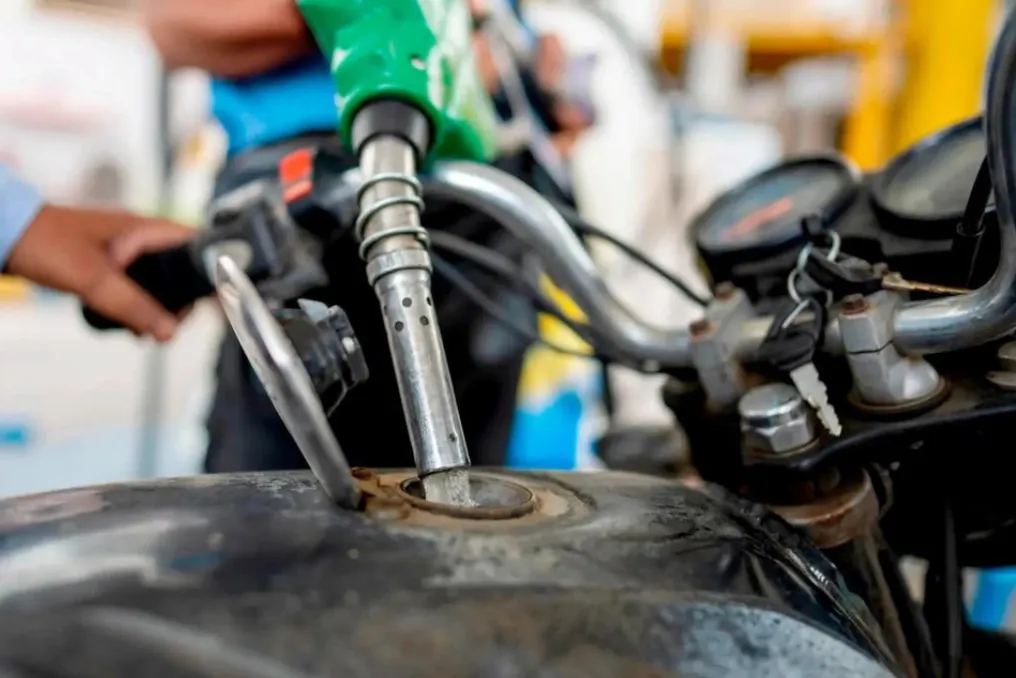
The Ministry of Petroleum reported that if oil companies did not blend ethanol into automotive fuel, the price of gasoline in the capital could have reached approximately 125 rupees per liter when global crude oil prices reached $135 per barrel.
It was noted that consumers paid 94.77 rupees per liter because 20% of each liter consisted of domestic ethanol purchased at pre-agreed prices, which helped shield retail fuel prices from sharp increases in global crude oil prices. During the peak of the crisis, this resulted in savings of nearly 30 rupees per liter at the pump.
The government kept gasoline and diesel prices unchanged for almost 75 days after the start of the Middle East conflict on February 28 before raising them by 7.5 rupees per liter in May.
Currently, 91-octane standard E20 gasoline in Delhi costs 102.12 rupees per liter, and 100-octane gasoline is sold at a price of 169 rupees per liter.
Furthermore, the ministry rejected accusations that grain intended for low-income groups is being diverted to ethanol production, or that subsidized FCI rice is being used to support this program.