According to Spanish police, approximately 49,000 migrants entered the Spanish enclave of Ceuta from neighboring Morocco in a single day. This influx is one of the largest migration flows in the North African region in recent years.
According to Spanish police, approximately 49,000 migrants entered the Spanish enclave of Ceuta from neighboring Morocco in a single day. This influx is one of the largest migration flows in the North African region in recent years.
Migrants reached Ceuta both by land and by sea. The Spanish Ministry of the Interior reported that footage appeared online showing people swimming along the coast or using inflatable rings, while others crossed the damaged border crossing.
In response to a petition from local officials calling for a state of emergency, the Spanish government dispatched 60 soldiers and 200 specialized police officers from mainland Spain. Prime Minister Pedro Sánchez also plans to visit Ceuta with the Minister of the Interior to personally assess the situation and meet with security service personnel and municipal authorities.
The situation took a fatal turn: local authorities reported finding nine migrant bodies on Thursday, increasing the total number of deaths related to attempts to enter Ceuta in recent months to 60.
Violence spread from Ceuta to Melilla, another North African enclave of Spain, where reports of fights and the burning of three vehicles resulted in numerous injuries.
Madrid promised to deport migrants who entered the country illegally and accused human trafficking networks of manipulating a recent court ruling that hinders the prompt return of migrants found at sea.
These new events increase pressure on Spain, demanding a solution to the surge in migration along the country's southern border, as it must balance humanitarian concerns with ensuring border security.
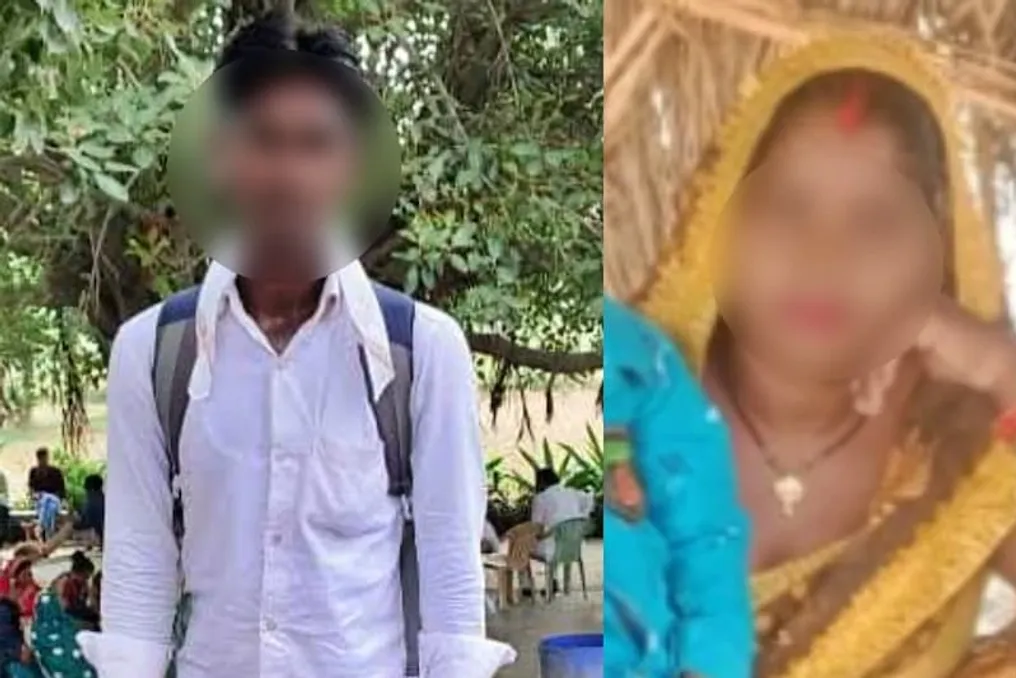
A tragic incident occurred in the Hardoi district, Uttar Pradesh: an 18-year-old youth, Gyaneshwar, and a 30-year-old married woman, Sarojni, committed suicide by hanging. Their bodies were found separately on different trees, away from the village.
According to relatives, after objections to their relationship and the filing of a complaint, they left home at night. Gyaneshwar committed suicide on an apple tree near the Kusumkhor bridge, while Sarojni did so on a Gulera tree located 500 meters from that spot.
The entire incident took place in the village of Haidarabad Mazra Umarauli Jaitpur, which falls under the jurisdiction of the Aravl police station. Local residents claim that there had been a long-standing romantic relationship between the 18-year-old Gyaneshwar and the 30-year-old married woman Sarojni. On Friday, the woman's relatives visited the youth's house, strongly objected to the relationship, and filed an official complaint. It was only after this complaint that both left their homes.
After leaving home at night, Gyaneshwar hanged himself on an apple tree near the Kusumkhor bridge using a bedsheet rope. Meanwhile, the woman committed suicide by tying her sari to the Gulera tree, situated approximately 500 meters away. Panic ensued when the bodies were discovered the next morning.
According to reports received, a team from the Aravl police station and Senior Officer Coordinator (CO) Harpalpur Pravin Yadav arrived at the scene to begin the investigation. A special team collected evidence from the scene and prepared a body inspection report before sending them to the mortuary for autopsy. The police are currently investigating the case and taking necessary legal action.
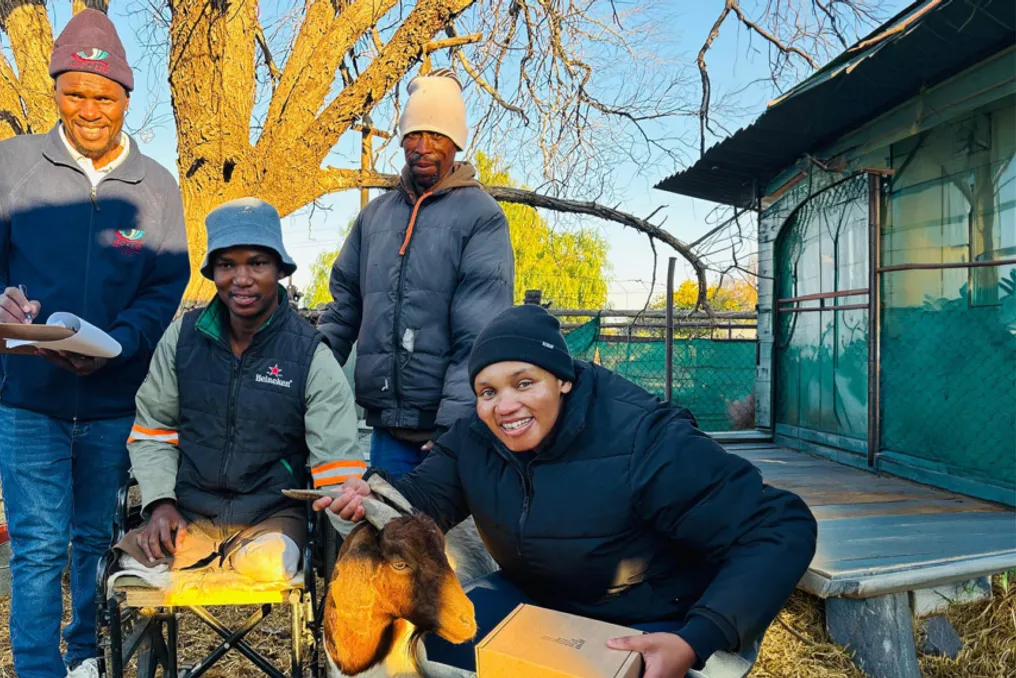
As part of the celebration of Disability Pride Month in South Africa, the DairyRise Project, implemented by the Agricultural Research Council for Animal Production (ARC-AP), shared an inspiring story of a small farmer from the North West province. His perseverance shows that disability is not a barrier to success in agriculture.
This farmer, who suffers from a physical disability affecting his mobility, is a beneficiary of the DairyRise Project. Despite daily challenges, he continues to develop his farming enterprise, utilizing every opportunity for learning and growth. His experience highlights the importance of inclusive agricultural support and access to development programs that allow all farmers to realize their potential.
The DairyRise Project began providing registered farmers with key services, including milk sample collection, milk quality monitoring, and technical support. During one such scheduled visit, the project team met a farmer whose resilience and dedication made a lasting impression.
As part of the program, the team visited his farm to perform regular procedures of the DairyRise scheme, such as taking milk samples, providing feedback on milk quality and production methods, and farm management. Personalized support ensures that he receives the same opportunities as other farmers while accommodating his specific needs.
His story is similar to those of many South Africans who have overcome adversity and succeeded in agriculture. Among them is Realeboga Mangwegaphe, a twice amputee from Tzaneen, who established a thriving livestock enterprise despite losing both legs. Like Mangwegaphe, this DairyRise beneficiary proves that success in farming is determined not by physical ability, but by persistence, passion, and willingness to learn.
For him, farming is more than just a source of income; it is proof that obstacles can be overcome with the right support system and mindset. He shares a simple yet powerful message with fellow farmers: 'Don't give up. Whether you have a disability or not, knowledge is available, and support is accessible through ARC-AP, DairyRise. All you need is the desire to learn and the determination to continue.'
The DairyRise Project continues to show how inclusive agricultural development can transform lives and strengthen rural communities. By ensuring access for farmers of all social strata and abilities to training, technical assistance, and milk registration services, the initiative helps unlock the potential of South Africa's small dairy sector.
Since Disability Pride Month reminds us of the value of inclusivity and equal opportunities, stories like these serve as a powerful testament to what can be achieved when determination meets support. Thanks to programs like DairyRise, the future of agriculture is becoming more inclusive, productive, and accessible, ensuring that no farmer is left behind.