Starting August 1, 2026, routine United States visa services in Durban will be transferred to regional document processing centers across Africa.
Starting August 1, 2026, routine United States visa services in Durban will be transferred to regional document processing centers across Africa.
According to the statement, this reorganization aims to strengthen national security, improve overall operational efficiency, and ensure more uniform standards for visa screening, assessment, and decision-making.
The Department noted that the regional hub model has already been successfully implemented in several African countries, as well as in Europe.
Beginning in August 2026, citizens and residents wishing to apply for a U.S. visa in the affected countries will need to schedule an appointment and pay the corresponding visa fee at the designated regional center for nonimmigrant or immigrant visas.
The list of affected locations includes Antananarivo, Abuja, Asmara, Bamako, Banjul, Brazzaville, Bujumbura, Conakry, Cotonou, Durban, Freetown, Gaborone, Harare, Juba, Libreville, Lilongwe, Lusaka, Maputo, Maseru, Mbabane, N'Djamena, Niamey, Nouakchott, Ouagadougou, and Windhoek.
The Department of State emphasized that it continuously analyzes its foreign activities to align resources with U.S. national interests while maintaining strict security control for visa applicants. Furthermore, it was added that providing consular services and assisting American citizens in diplomatic missions worldwide remains a priority task.
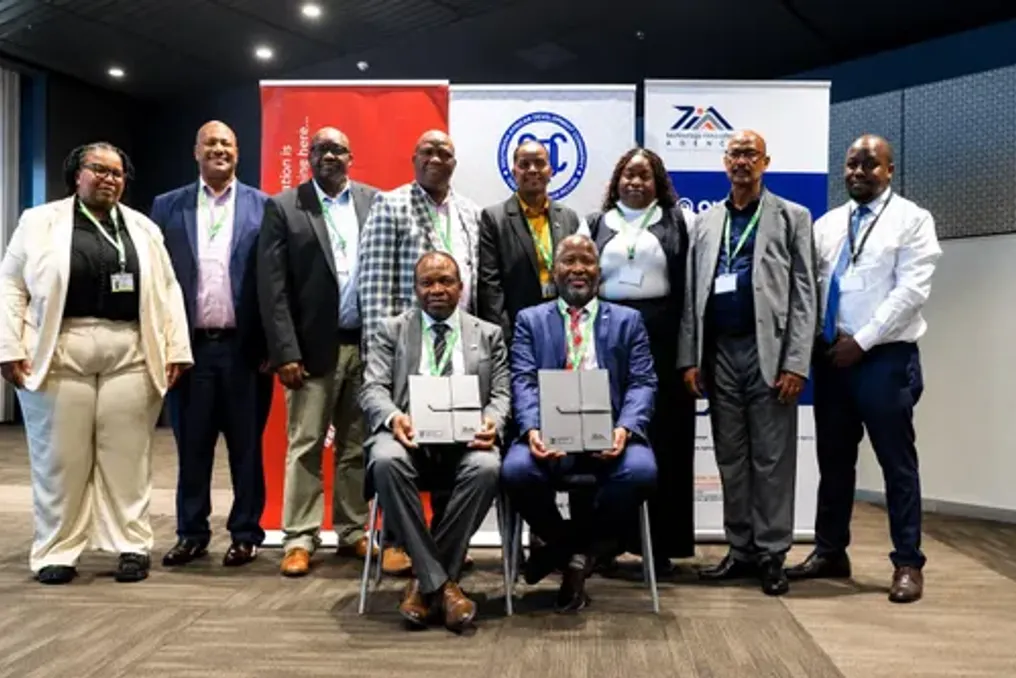
The Technology Innovation Agency (TIA) of South Africa and the Botswana Digital and Innovation Hub (BDIH) have signed a Memorandum of Understanding (MoU). This strategic initiative aims to strengthen regional cooperation and promote economic growth in South Africa.
The agreement is designed to create a favorable environment for researchers, entrepreneurs, innovators, and technology enterprises. It aligns with the updated agreement between the governments of South Africa and Botswana on scientific and technological cooperation, which is expected to advance joint innovation programs across borders. A central element of this partnership is the creation of a Joint South African-Botswana Innovation Fund.
This fund will serve as a vital investment platform to support collaborative projects between key stakeholders from both countries, including small and medium-sized enterprises (SMEs), startups, and researchers. The fund plans to attract resources from other regional and continental institutions, focusing on the commercialization of high-impact technological projects that solve local problems and enhance the competitiveness of African businesses on the global stage.
The CEO of TIA, Dr. Titus Mate, described this collaboration as a crucial strategy for achieving South Africa's industrialization goals. He emphasized that this alliance demonstrates a shared objective to make the region a hub of innovation. According to Mate, integrating expertise, resources, and innovation ecosystems will open new opportunities for technology developers capable of solving social challenges, attracting investment, and succeeding internationally.
Kobo Phetlu, CEO of BDIH, echoed these views, noting that the partnership underscores Botswana's commitment to shaping an interconnected innovation landscape in the region. He stated that pooling resources and enhancing cross-border interaction contributes to creating a more cohesive and conducive environment for Africa's digital and industrial transformation.
The cooperation will cover several important areas. These include joint initiatives in technological innovation, such as launching challenge programs and pilot projects. Emphasis will also be placed on green and clean technologies, such as renewable energy and climate change adaptation solutions. Agricultural technology to improve food security will be a significant focus area.
Furthermore, partners will concentrate on innovations in the mining sector, for instance, regarding safety and smart mining. Digital technologies, including artificial intelligence and cybersecurity, will be developed. The partnership also provides for technology transfer and commercialization, as well as capacity building through training and workshops. Ultimately, this collaboration aims to develop an integrated innovation ecosystem that supports comprehensive economic growth across the African continent.
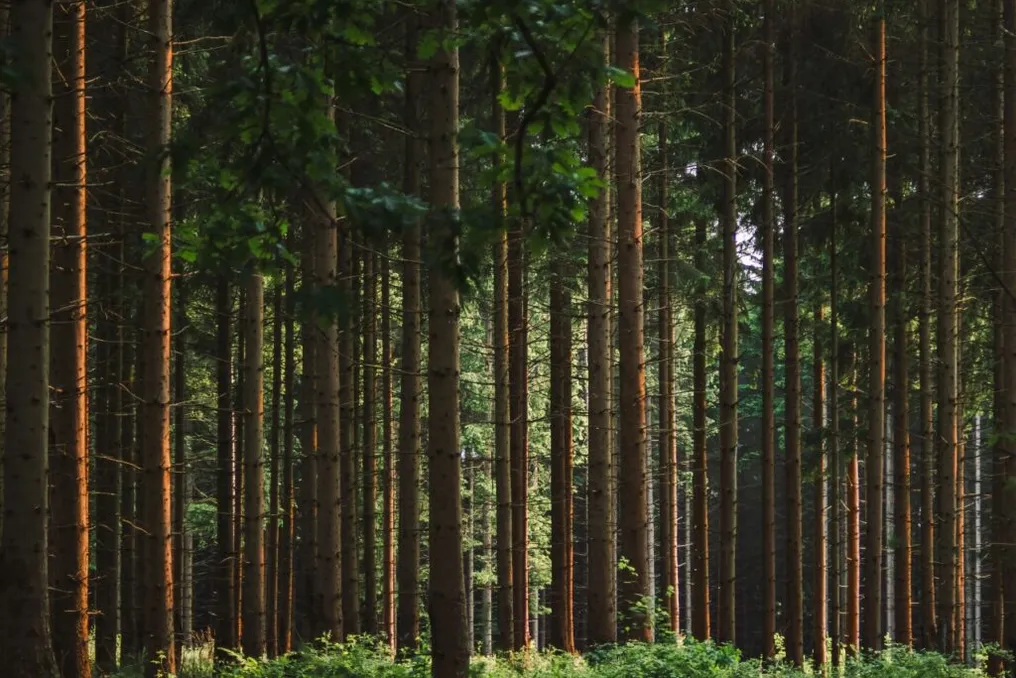
The Department of Forestry, Fisheries and the Environment (DFFE) has transferred the management of seven state plantations to beneficiary communities in the Nkadu area. Furthermore, an additional four plantations are planned for transfer during the current financial year.
To enhance community capacity in plantation management, the department is establishing collaboration between beneficiaries and major forestry companies. These companies provide investments, technical expertise, skills transfer opportunities, and market access.
Deputy Minister of Forestry, Fisheries and the Environment Bernice Swart emphasized that the transfer of plantations alone is insufficient. Communities must also receive necessary financial, technical, and business support to run commercially viable forestry enterprises.
Swart noted that the Eastern Cape remains a priority region in South Africa for expanding forestry, with over 100,000 hectares identified as having potential for afforestation. However, she stressed that realizing this potential depends on technical assessments, market availability, and strategic partnerships.
Working together with the Kingdom, there is an opportunity to identify suitable land in the Nkadu area and bring it into operation after conducting necessary checks. Such investments can contribute to job creation during the plantation establishment phase and subsequently support related industries such as timber production, furniture making, and bioenergy.
During the event on nature-based carbon removal initiatives and rural development, Swart announced that DFFE will donate 2000 indigenous and fruit trees to the Nkadu Kingdom as part of the government's efforts to mitigate climate change. Of these, 750 indigenous trees were delivered on Tuesday, and the remaining 1250 fruit trees will arrive by August 15, 2026.
Swart also reported that President Cyril Ramaphosa instructed the department to implement the National Greening Programme, which aims to plant one billion trees within five years. This Billion Trees Programme calls on all South Africans, including government, the private sector, businesses, interfaith organizations, the diplomatic corps, traditional leaders, NGOs, youth groups, and communities, to participate in tree planting.
The Deputy Minister stated that in the 2025/26 financial year, DFFE, in collaboration with stakeholders including Traditional Authorities, managed to plant 1,303,930 trees in a single day, September 24, 2025. Following this achievement, the department will coordinate the planting of 10 million trees nationwide on September 24, 2026, towards the overall goal of reaching one billion trees.
According to Swart, the department has already implemented six successful community projects across the Eastern Cape with support from the Global Environment Facility. These projects have contributed to the restoration of degraded lands, the promotion of indigenous tree planting, the strengthening of agroforestry, and improved food security, while simultaneously creating temporary employment and building skills in rural communities.
The Deputy Minister strongly urged the Nkadu Kingdom to work with the government on implementing an E-waste Programme for the collection and recycling of electronic waste. She emphasized that e-waste is one of the fastest-growing waste streams globally but also represents a huge opportunity for creating 'green' jobs. Over 108 tons of e-waste have been collected under the national E-waste Programme, and communities have received approximately 400,000 rand as incentives.
Swart expressed confidence that similar programmes can be implemented in the Nkadu Kingdom. Through joint efforts, community-level e-waste collection and recycling enterprises can be established, providing employment, especially for youth and women, while protecting the environment.