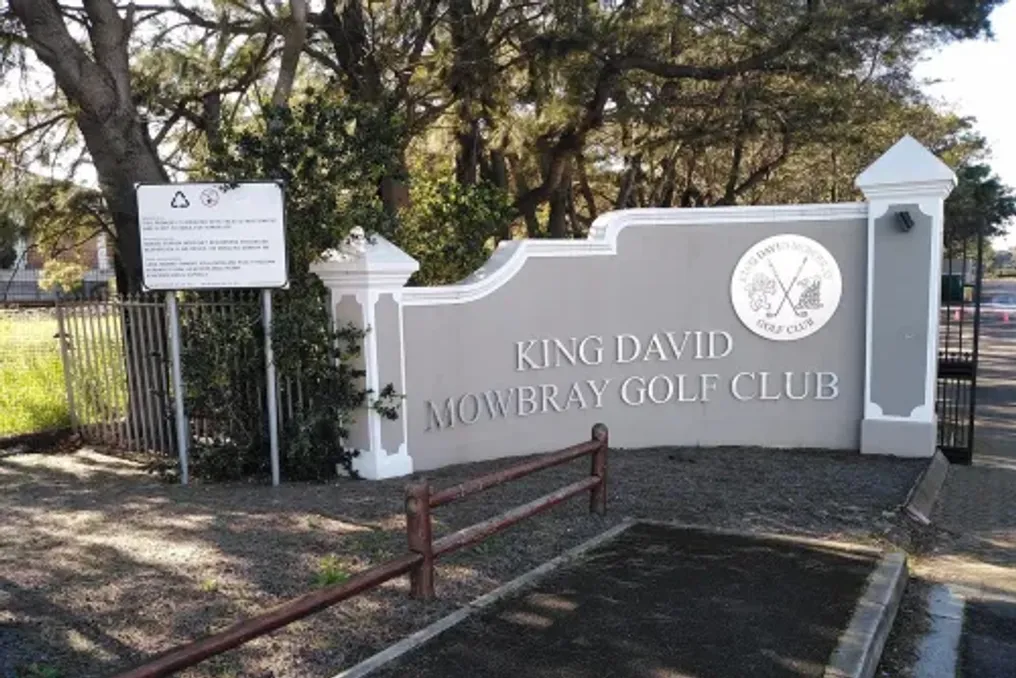
Public participation is currently underway regarding the proposed multi-functional development project by the City of Cape Town on the grounds of the King David Mowbray Golf Course (KDM). The deadline for public comments on the Cape Town City Council project, which involves repurposing the KDM site into a mixed-use area including over 6,000 residential units, is August 7th.
The article's author notes that during discussions, the potential economic and employment damage to the city if the project is implemented is almost entirely ignored. The city is preparing to make an irreversible decision about land use without presenting a proper assessment of its economic consequences.
Although the need for housing in Cape Town is undeniable, the existence of this need alone does not justify choosing this specific site. There are extensive areas of unused, unproductive land within the Cape Town metropolis itself. Directing new construction to such areas, rather than one of the city's most beloved golf clubs, would benefit all parties: it would provide more housing without harming an asset that generates significant economic value.
While the author is not an economist, basic calculations based on national industry indicators clearly demonstrate KDM's contribution to the Cape Town economy, estimated to be between 112 million and 1.1 billion rand annually. This wide range is due to extrapolations from national data, not a formal valuation. However, the mere fact of such a large spread between the low and high forecast of one facility's annual contribution requires proper economic expertise before a final decision is made, not after.
Considering the industry in which this club operates, it should be noted that golf in South Africa, according to an Investec analysis from April 2026, is more than just a sport; it is a mature economic ecosystem. This industry generates approximately 49 billion rand per year and supports around 40,000 jobs across the value chain. Golf spans 437 courses, hosting 4.2 million rounds annually, and the number of registered golfers is growing by 6.4% year-on-year.
Golf tourism is particularly important: industry data shows that golf tourists spend, on average, 120% more per day than regular tourists. Furthermore, South African Tourism actively promotes South African courses as a central element of its destination marketing. Even older data from 2013 by the National Department of Tourism, which indicated a direct economic impact of 29.2 billion rand and over 50,000 jobs, increasing to 58.4 billion rand when accounting for the multiplier effect, confirms that golf is highly significant to the economy, especially the tourism-related economy, and is not a secondary service for the elite.
Even James Vos, a member of the Cape Town Mayoral Committee for Economic Growth, acknowledged that 'golf is invaluable to the Cape Town economy.'
The specific contribution of KDM can be roughly calculated using national figures. In the financial year leading up to June 2026, the club hosted approximately 48,000 rounds, significantly exceeding the national average of 9,611 rounds per course. Proportionally calculating this per course indicates an annual contribution to the Cape Town economy of about 112 million rand; calculating based on the number of rounds played points closer to 560 million rand. Applying the multiplier effect used by the National Department of Tourism increases these figures to 224 million and 1.12 billion rand, respectively. These calculations are not official valuations, but they are sufficient to show that the potential consequences of permanently closing one of the city's busiest golf courses are substantial, and substantiality is a threshold that should initiate thorough investigation, not indifference.
This argument is supported by the realities of the proposal. Over the last decade, no new golf courses have been built in Cape Town, despite the demand for golf facilities continuing to outstrip supply. Removing one of the city's most active clubs during a period of supply shortage contradicts the needs of a competitive and tourism-friendly golf economy.
There are also human costs associated with this decision that contradict the City's own transformation goals. KDM is one of the more affordable clubs in Cape Town, and its closure will force demand and prices to shift to the remaining city clubs, leading to a general increase in the cost of golf. This burden will fall more heavily on low-income golfers, not wealthy ones.
Moreover, KDM boasts one of the most diverse membership bases among all clubs in the country, encompassing age, gender, race, ethnicity, physical ability, socioeconomic status, and religious beliefs. Closing the club would eliminate a real factor contributing to the transformation of the city's sporting landscape, at a time when the City should be considering potential partnerships with KDM for youth development, cultural diversity, and tourism, rather than its demolition.
None of the above constitutes an objection to building housing. Rather, it is an argument against building it on this specific site, and it is based on an economic justification that has not been detailed, while land that will not result in losses of economic activity remains unused elsewhere.
Before the City of Cape Town irreversibly changes the designation of this land, it is obligated to conduct a proper assessment of what is at risk for all residents of Cape Town, not just golfers. Since the comment period ends on August 7th, this assessment must be conducted now, not after the decision is made.