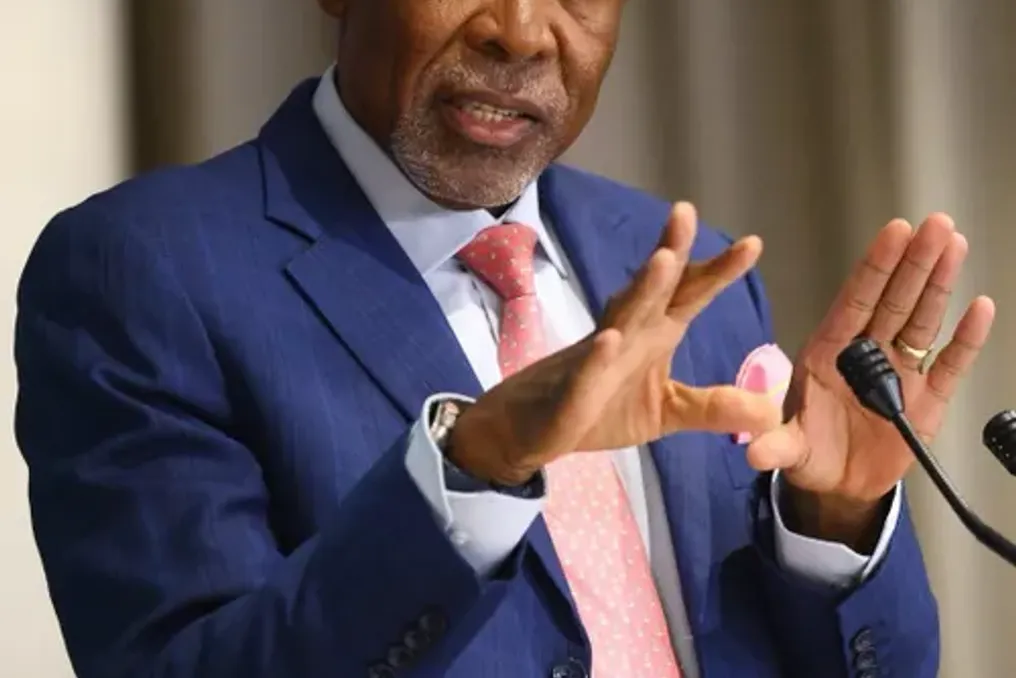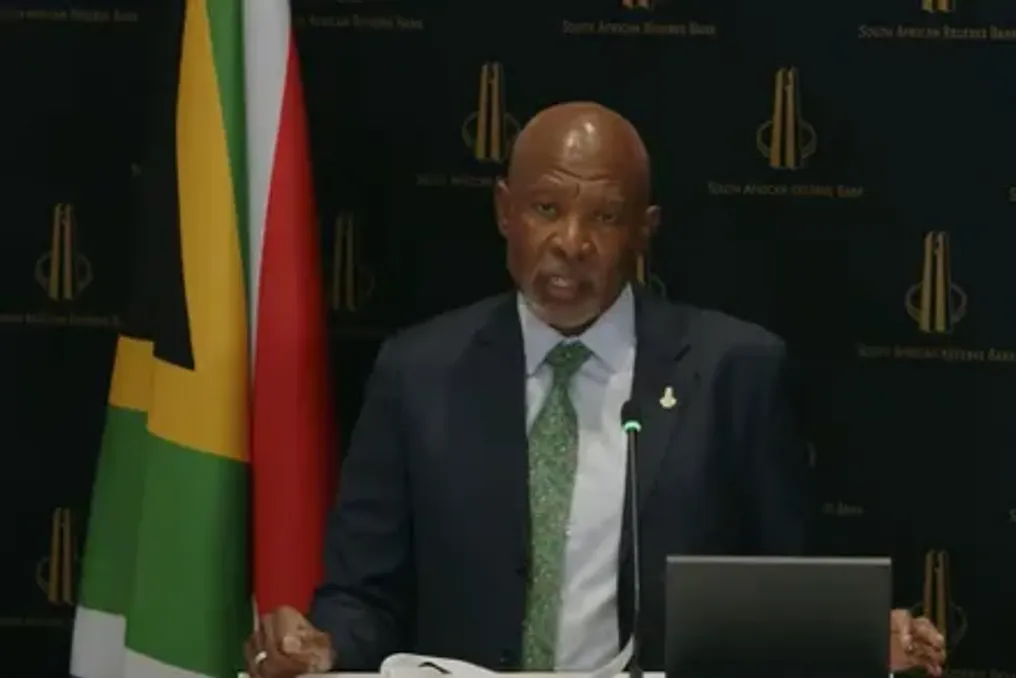
The Governor of the South African Reserve Bank (SARB), Lesetja Kganyago, stated that the recent rise in inflation caused by rising oil prices will not derail efforts to restore price stability, defending the central bank's commitment to the new 3% inflation target.
Speaking at the 106th annual general meeting of SARB in Pretoria on Friday, Kganyago emphasized that the central bank continues to focus on preserving the purchasing power of the rand despite the global oil price shock, which temporarily pushed inflation above the set target.
He noted that South Africa made a significant shift in 2025, replacing the previous inflation target range of 3% to 6% with a fixed target of 3% plus or minus one percentage point.
Kganyago stated that the bank's constitutional mandate is to protect the value of the currency in the interest of balanced and sustainable economic growth. He added that the new target allows South Africa to align with major economies and partner countries, ensuring an environment closer to price stability.
“Previously, we targeted a range of 3–6%. Since 2017, we have clearly aimed for the middle of this range, which is 4.5%. In 2025, South Africa officially adopted the target of 3% plus or minus one percentage point,” he reported.
The Governor acknowledged that the increase in oil prices led to headline inflation reaching 4.5% in May and 5% in June, putting pressure on households and businesses. He remarked: “We have just faced a large oil shock that pushed headline inflation to 4.5% in May and 5% in June. Everyone feels the pain of rising prices, and everyone worries about too much inflation, including us.”
Nevertheless, he stressed that this rise is due to external factors, not domestic monetary policy. “Last year, we decided on lower inflation. Yes, now we are facing a shock that was entirely exogenous and unrelated to our decisions. But shocks happen.”
Kganyago clarified that the central bank's duty is to ensure inflation returns to the target over time. He explained: “For SARB, our job is to ensure inflation returns to the target. Monetary policy does not control the prices of individual goods and services. But we have a significant impact on the long-term purchasing power of the rand across a broad basket of goods, and we intend to protect it.”
He linked this commitment to the Monetary Policy Committee's decision to raise the repo rate to 7% in May. “This is why we raised rates to 7% in May—to ensure inflation returns to target. This created the opportunity for us to hold rates steady at the MPC meeting in July.”
Looking ahead, Kganyago stated that falling inflation will eventually pave the way for interest rate cuts. “As the Monetary Policy Committee, we make no promises about the path of interest rates... But I can confidently say that lower inflation leads to lower rates.”
Beyond monetary policy, Kganyago commented on the development of the financial sector and SARB's broader role in maintaining financial stability. He welcomed South Africa's removal from the Financial Action Task Force's (FATF) grey list, noting that authorities have invested significantly in strengthening anti-money laundering measures.
“Since our inclusion on the grey list in 2022, South African authorities, including SARB, have invested heavily to clean up our affairs. We were pleased to exit the grey list late last year.”
Kganyago also highlighted the opportunities and risks associated with artificial intelligence and digital assets, stating that regulators must encourage innovation while protecting the integrity of the financial system. He cautioned about stablecoins: “If they can make cross-border payments faster and cheaper, that will be desirable progress. But if they primarily facilitate anonymous transactions, helping users bypass prudential controls or hide criminal profits, that is dangerous.”
He added that South Africa's payment modernization program aims to accelerate and reduce the cost of digital payments, even without using blockchain technology. Kganyago reported that SARB has strengthened its financial position: foreign exchange reserves grew from $68 billion a year ago to $74 billion. “SARB is in a strong position. We have made a big step forward with our new 3% inflation target. Our financial system continues to demonstrate resilience in an uncertain and complex world. We are advancing payment innovations to close the gap with leading countries.”
He concluded that South Africa's experience over the past two decades demonstrates the importance of well-governed institutions, and SARB's institutional strength is evident, but it is the result of hard work.