The first patient who received a personalized melanoma vaccine developed in Russia feels well and has demonstrated the necessary immune response to fight the disease, according to Alexander Ginzburg, scientific director of the Gamaleya Institute.
The first patient who received a personalized melanoma vaccine developed in Russia feels well and has demonstrated the necessary immune response to fight the disease, according to Alexander Ginzburg, scientific director of the Gamaleya Institute.
Last year, the Ministry of Health of Russia approved two domestic personalized anti-cancer drugs: an mRNA vaccine for advanced melanoma called Neooncovac and a peptide drug targeting colorectal cancer called Oncopept.
The Neooncovac vaccine was administered to the first patient in April. This sixty-year-old man with stage three melanoma and metastases is undergoing treatment at the Herzen Moscow Oncology Research Institute. According to Ginzburg, the patient 'feels completely normal' and continues the course of treatment.
Tests showed 'very positive' immunological reactions, as the body began producing active compounds necessary for the immune system to fight the tumor and its metastases. Ginzburg reported this to RIA Novosti on Thursday. The patient is scheduled to receive two more doses of the drug, and his immune response will be constantly monitored throughout the treatment.
Furthermore, it was announced that personalized melanoma vaccines are being prepared for another ten patients and should be ready within one and a half to three months. Andrey Kaprin, head of the National Medical Research Center of Radiology, previously characterized the vaccine creation technology as a fundamentally different approach to cancer treatment. He noted that the method is designed not just to treat the disease, but to teach the immune system to recognize and destroy threatening cells.
Samples of the patient's tumor and healthy tissues are used to create the individual vaccine for genetic analysis. Russian officials also reported that patients receiving Oncopept have also developed the required immune response. The Gamaleya Institute is additionally working on developing treatments for pancreatic, kidney, and non-small cell lung cancer.
Australian scientists have completed a systematic review and meta-analysis demonstrating a moderate reduction in cravings for alcohol, nicotine, and various psychoactive substances through the practice of controlled breathing. The results of this study were published in the journal Addiction.
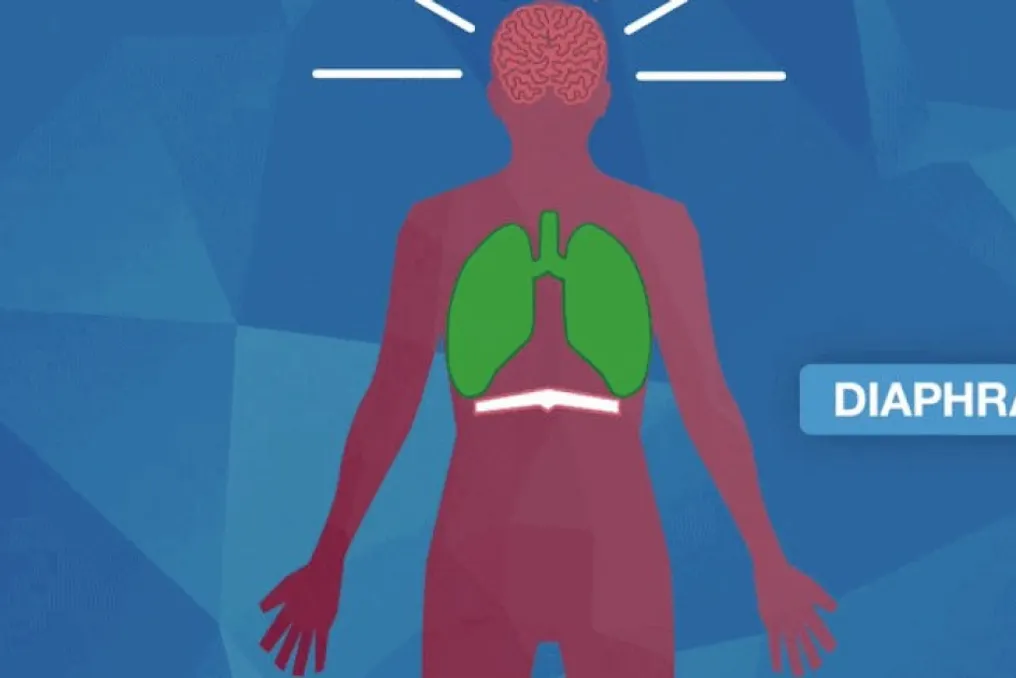
Breathing techniques include various forms of controlled breathing (such as 4-4-4-4, 4-7-8, and yoga methods), as well as breathing using biofeedback based on heart rate variability. It is hypothesized that the mechanism of action of these practices in substance abuse is related to the normalization of heart rate variability and autonomic nervous system tone.
Ariel Dart Roxburgh and his team from Monash University conducted a systematic search in databases such as Web of Science, PsycINFO, MEDLINE, CINAHL, EMBASE, PubMed, Scopus, and Cochrane, covering the period up to November 2025. Twenty scientific papers were included in the review: six concerned nicotine, four concerned alcohol, three concerned opioids, two concerned stimulants, and five concerned nonspecific cases of substance misuse or multiple substance use.
Of these studies, 13 were randomized controlled trials, two were non-randomized controlled, two were balanced crossover, and three were other uncontrolled studies. Five uncontrolled papers were accounted for descriptively but did not enter the meta-analysis itself. Data from the remaining 15 studies were combined into three separate meta-analyses focusing on pathological craving, withdrawal symptoms, and dependence, followed by calculating effect sizes and assessing heterogeneity using Joanna Briggs Institute critical appraisal tools.
The meta-analysis, based on data from 12 studies involving 696 people, revealed a moderate but statistically significant effect of controlled breathing in combating substance cravings (Hedges' g 0.30; p < 0.001). A low degree of heterogeneity was observed (I2 = 23.5 percent; Q = 13.59; p = 0.26), and there were no signs of publication bias or small sample effects. Regarding dependence, the analysis of two studies (144 participants) showed a larger effect (g 0.85; p = 0.009), but with high heterogeneity (I2 = 70.9 percent).
The analysis of four studies on withdrawal symptoms (289 participants) found no significant impact (p = 0.22) with substantial heterogeneity (I2 = 89.7 percent). Analysis across different subgroups confirmed that the effectiveness of controlled breathing does not depend on the specific method chosen.
The findings suggest that controlled breathing can serve as a simple and economical method for improving the condition of people suffering from substance use disorders. Moreover, since this method positively affects other mental disorders often accompanying substance abuse, its clinical value may be even higher.
It is worth noting that Malaysian researchers previously conducted randomized clinical trials showing that even one session of mindful breathing can significantly reduce anxiety levels and pain intensity in patients undergoing cancer treatment.
In another area, Ingrid Ekström and her colleagues from the Karolinska Institute conducted a systematic review and meta-analysis examining the link between subjective olfactory impairment and the presence of depression. The researchers searched for publications in the PubMed, Embase, EBSCOhost, and Web of Science databases up to July 2024, including 23 publications representing 17 independent cohorts with a total number of participants exceeding 187 thousand. The average age of participants was 63.4 years, with 63 percent being women. The data were combined using a mixed-effects meta-analysis, and the results were published in the journal JAMA Otolaryngology — Head & Neck Surgery.
Air India Ltd has entered into a preliminary agreement with global eVTOL (electric vertical takeoff and landing aircraft) developer and manufacturer SkyDrive, as well as with Japan's Suzuki Motor Corporation. The goal of the joint study is to examine the feasibility of using eVTOL aircraft for air medical logistics in India.
This proposed collaboration has become relevant against the backdrop of severe traffic congestion issues in major Indian cities, which pose significant obstacles to timely medical logistics, according to the company's statement.
By combining SkyDrive's eVTOL technology, Air India's operational experience, and Suzuki's market understanding of India, the three companies intend to develop solutions for last-mile emergency medical logistics, thereby contributing to the development of India's medical infrastructure.
Ramesh Mamidala, Head of Cargo Operations at Air India Limited, noted: 'India is one of the largest and fastest-growing aviation markets in the world today, and we view the development of air mobility as a natural extension of the country's transport ecosystem. The potential application of eVTOL aircraft for air medical logistics is particularly attractive as it combines technology and purpose, helping to reduce critical transit time when every minute counts.'
He added that Air India Ltd will contribute to the feasibility study by providing knowledge on operational activities, airport infrastructure, and stakeholder relations to assess and develop safe, reliable, and scalable eVTOL operations.
Tomohiro Fukuzawa, Founder and CEO of SkyDrive Inc., stated: 'We are collaborating with Air India and Suzuki to take a step towards medical logistics—a sector where every second counts and lives can be saved. In India, where chronic congestion is a serious problem, the use of eVTOL for advanced medical logistics, including the transportation of valuable, critical medical supplies, will transform the medical infrastructure.'
Masao Fujita, Executive General Manager of New Generation Business Development at Suzuki Motor Corporation, reported that the eVTOL aircraft developed by SkyDrive, within which business and technological cooperation with Suzuki is underway, represents a new form of mobility embodying Suzuki's philosophy of 'Sho-Sho-Kei-Tan-Bi (Less, Less, Lighter, Shorter, and Neater)'. He also emphasized that the company will continue to offer diverse mobility options tailored to customer needs and will contribute to regional development.
According to the author, the growing trend of choking during sexual activity, often referred to as 'breath play' or 'erotic asphyxiation,' represents an extremely dangerous gamble rather than just a fashionable trend in intimate practices.
This practice, which was previously considered a highly specialized sexual technique, has rapidly become one of the fastest-growing trends among young people. The author notes that the topic is actively discussed on social media, appears on mainstream television, is depicted in pornography, and increasingly surfaces in couples' conversations.
Researchers worldwide are documenting a significant and rapid increase in the prevalence of choking during sex, especially among youth. A large study published in the peer-reviewed journal Archives of Sexual Behavior in 2024 surveyed 4702 Australians aged 18 to 35. Similar results were obtained in the USA. Statistics showed that 57% of respondents reported having been choked during sex at least once, while 51% admitted to choking their sexual partner. Women reported being choked more frequently than men (61% versus 43%), whereas men reported choking partners more often.
Many participants noted that their first experience occurred between the ages of 19 and 21, indicating that choking has become part of early sexual experiences for young people, not a niche practice. Researchers concluded that sexual asphyxiation is becoming increasingly 'normalized,' and many participants underestimate the associated medical risks.
The author emphasizes that there is no safe way to choke another person or oneself. While curiosity and exploring sexuality with a partner's consent can strengthen intimacy, conscious consent also implies understanding the risks, which is currently lacking. Many young people encounter this practice even before their first sexual encounter due to the influence of pornography, which normalizes previously rare behaviors by presenting choking as routine, easy, and exciting.
However, the biological fact remains unchanged: the human brain cannot exist without oxygen. Pressure on the neck can compress the carotid arteries, reducing blood flow to the brain, and also compress the jugular veins, disrupting oxygen supply, damaging airways, and stimulating nerves that unexpectedly slow the heart rate. Loss of consciousness can occur within seconds, and irreversible brain damage within minutes. Death is possible even if the person applying pressure did not intend to cause serious harm.
Of particular concern is that after an incident, a person may appear completely normal, but serious complications can develop hours or even days later. Unlike a bruise on the arm or a cut on a finger, neck injuries often remain unnoticed. A person may have no visible signs but still suffer from damage to blood vessels inside the neck. Ruptures of these vessels can lead to the formation of clots, increasing the risk of stroke hours or even days later.
Other possible complications include difficulty swallowing, voice changes, neck pain, persistent headaches, dizziness, memory problems, vision impairment, brief loss of consciousness, seizures, brain damage, and stroke. Medical professionals strongly advise seeking medical attention for anyone who has been choked, even briefly, upon the appearance of any symptoms.
It is important to understand that consent does not eliminate risk. Although consent is necessary in any sexual contact, it cannot prevent physical harm caused by interrupted blood flow or lack of oxygen. A person may enthusiastically agree to something without fully realizing the dangers involved. The person applying pressure cannot accurately assess what level of force is 'safe' because every person's anatomy is different. Blood vessels are located directly under the skin, and relatively small pressure can be sufficient to disrupt circulation. There is no reliable warning sign indicating imminent irreversible damage.
Emergency services worldwide are receiving more patients after consensual choking during sex. Some arrive due to fainting, others with disorientation, seizures, or speech difficulties. In the most tragic cases, partners believed they were engaging in agreed-upon play but discovered their partner had stopped breathing or suffered irreversible brain damage. These cases are not isolated; medical literature continues to document deaths and severe neurological injuries related to erotic asphyxiation.
The author believes the difficult conversation lies in how to react if a partner asks them to choke them, or more likely, asks them to choke themselves. Even in the early stages of a relationship, one may not want to appear inexperienced or distrust their partner. However, one must remember: a loving partner should never coerce any sexual activity that causes discomfort. Refusing choking is not a sign of boredom or sexual conservatism, but an indication that you value your partner's well-being.
There are many ways to explore dominance, submission, power exchange, role-playing, bondage, sensory play, and arousal enhancement that do not require restricting breathing or blood flow. Good sex is built on communication, trust, mutual pleasure, and respect, not on copying what is seen online. Perhaps it is time to stop asking if it is trendy and start asking if it is worth the risk.