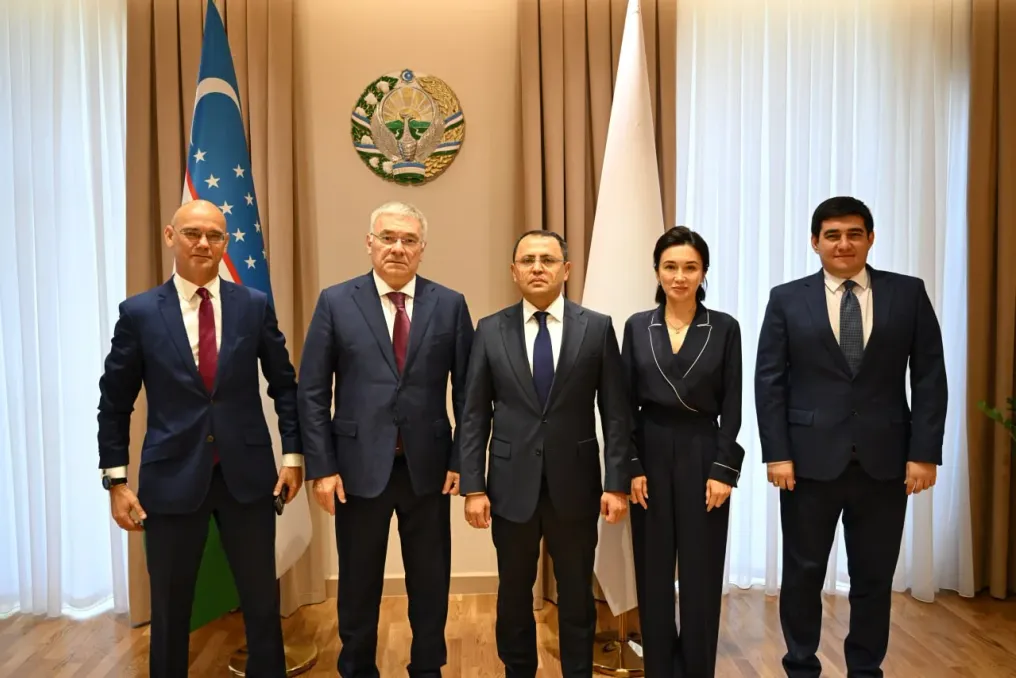
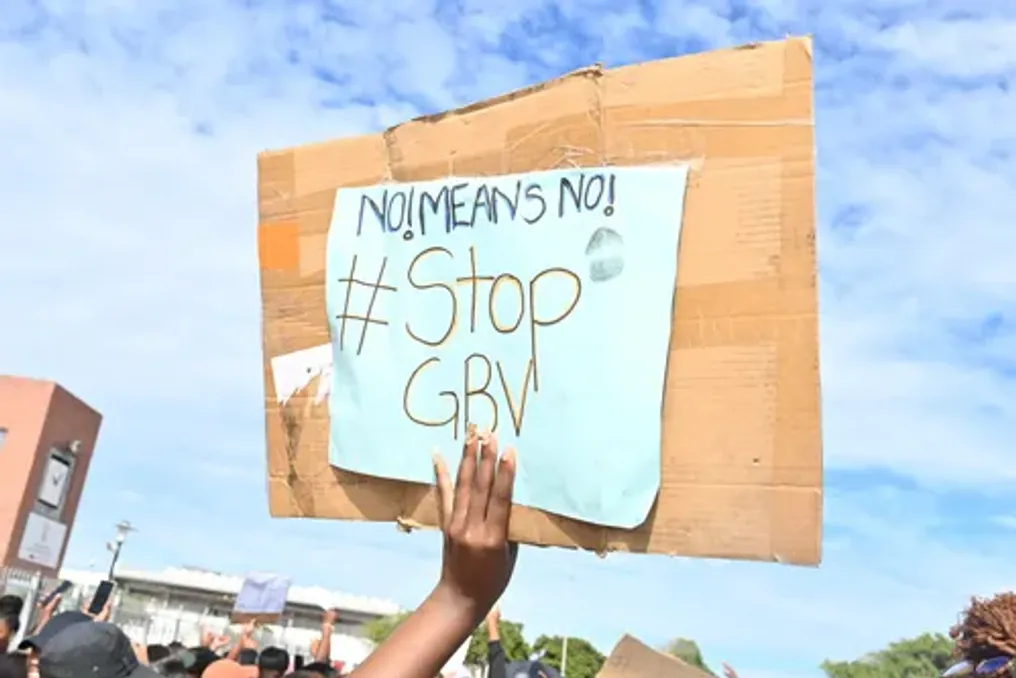
President Cyril Ramaphosa has appointed the country's first legislatively established National Council on Gender-Based Violence and Femicide (NCGBVF). This body is intended to provide stronger leadership and accountability in South Africa's efforts to curb one of its most pressing social crises.
The appointments, announced on Friday, take effect on August 1 and are valid until July 31, 2029. The Council was established in accordance with the National Council on Gender-Based Violence Act of 2024. Its mandate is to provide strategic direction for eliminating gender-based violence and femicide (GBVF), as well as to coordinate the implementation of the National Strategic Plan (NSP) on GBVF across various government structures and sectors.
The President appointed Dr. Ramalephe Lebogang Matibe as the council's chairperson and Velhemina 'Shoki' Tshabalalu as deputy chairperson. Other members of the council include Ketumsetse Fatimata Mutloats, Caroline Peters, Dr. Zubeda Dangor, Wuisiwe Numalo, Anele Siswane, and TUM Limema.
The presidency stated that the council must strengthen collaboration between the government, civil society, and local communities. It will also promote the implementation of violence prevention measures, improve victim support, strengthen law enforcement agencies, and advance women's economic empowerment.
Speaking after the announcement of the appointments, Ramaphosa expressed confidence that the council will lend greater authority to South Africa's response to the GBVF issue. He stated: 'We have appointed the Gender-Based Violence Council to lead the process of ensuring that we reduce and eradicate gender-based violence in our country.' He added that he has great confidence in the ability of the appointed women to address the issue of gender-based violence and lead the nation toward a more targeted solution to this problem.
These appointments come months after Ramaphosa declared gender-based violence and femicide a national problem, calling the level of violence against women and children unacceptable and calling for a more coordinated national response. The Chairperson of the Social Development Portfolio Committee, Bridget Masango, welcomed the announcement, noting that the government needs to move beyond promises and accelerate the implementation of measures to protect women and children.
The committee has repeatedly called on departments and law enforcement agencies to expedite the implementation of the National Integrated Strategy for Femicide Prevention and to improve coordination in executing the National Strategic Plan on GBVF. A study presented to parliament by the South African Medical Research Council highlighted the scale of the crisis. It showed that approximately 10,972 women have been victims of femicide over 20 years, and three women die daily from intimate partners. Furthermore, it was found that one in four women experienced physical or sexual violence.
The National Strategic Plan on GBVF, adopted in 2020, serves as South Africa's roadmap for combating violence against women and children. It focuses on prevention, improving access to justice, strengthening survivor support services, increasing economic opportunities for women, improving data collection, and ensuring better coordination across all involved sectors.