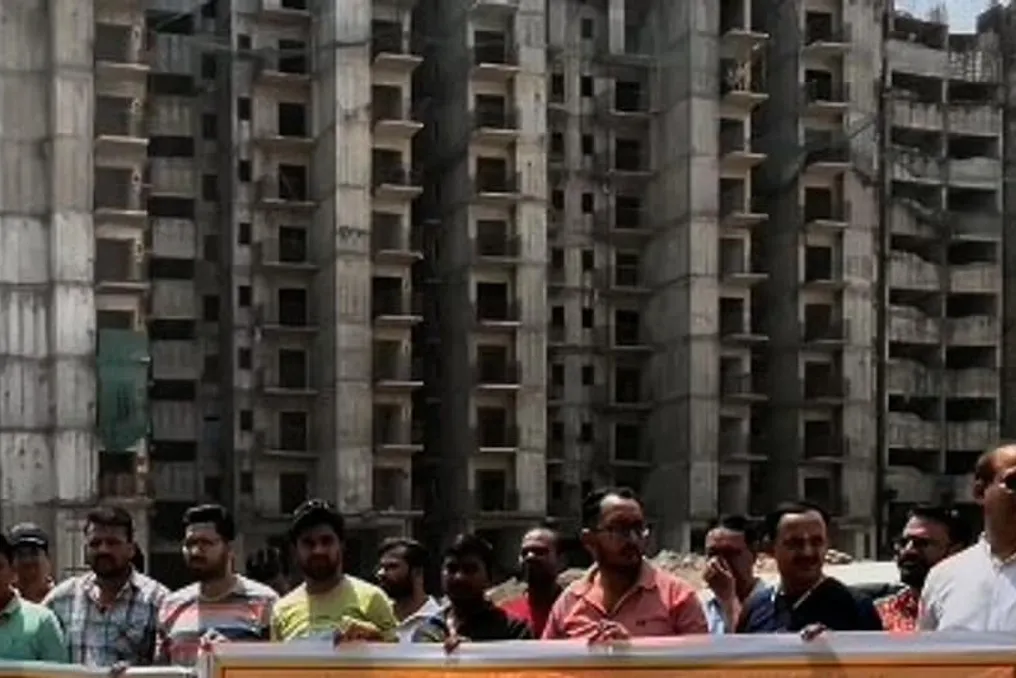
Investors expecting keys to apartments or houses may face a longer wait. The central government has issued a recommendation for many registered real estate projects across the country, allowing them to extend implementation deadlines by four months under the RERA law.
The Ministry of Housing and Urban Affairs (MoHUA) released a consultative letter to RERA regulatory bodies nationwide, stating that eligible projects can be granted an additional four months.
According to the government statement, instability and conflicts in the Middle East have impacted global supply chains. This has led to issues with the availability of many necessary construction materials and equipment. Furthermore, logistics costs and complexities associated with sea transport have increased. In light of these circumstances, the Department of Expenditure of the Ministry of Finance issued a memo classifying the situation in the Middle East as 'Force Majeure.'
RERA law provides for the possibility of project extension in case of war, natural disaster, or other exceptional circumstances under Section 6. These conditions allow for an increase in the project's completion time.
In accordance with the ministry's consultative letter, this support can be received by registered real estate projects whose original completion date is February 28, 2026, or later. Projects whose adjusted completion date or previously set extended period expires after February 28, 2026, may receive a one-time extension of four months.
Typically, developers are required to apply to the relevant RERA authority to extend the project term. However, this time the central government has advised regional RERA authorities to issue a 'general directive' so that eligible projects can receive assistance without the need for additional paperwork. The goal of this step is to reduce administrative delays and provide prompt assistance to affected projects.
While this decision grants developers extra time to complete projects, it could potentially increase the waiting time for many buyers. Those who planned to move, vacate rentals, or pursue investment schemes based on the original timelines will now have to wait several more months. The government argues that if a project remains unfinished due to supply chain problems, it could cause greater harm to buyers. Therefore, the limited extension will help complete the projects.
The impact of the Middle East crisis is not limited to documentation. A June 2026 report by the real estate consulting firm Anarock warned that due to rising tensions in the Middle East, fluctuations in crude oil prices, and supply chain disruptions, the delivery of approximately 5.4 million homes nationwide could be disrupted. According to the report, if the conflict drags on, it could lead to increased construction costs and affect the availability of cement, steel, aluminum, copper, and other building materials, increasing the risk to both cost and project timelines.
Impact from Fuel to Occupancy
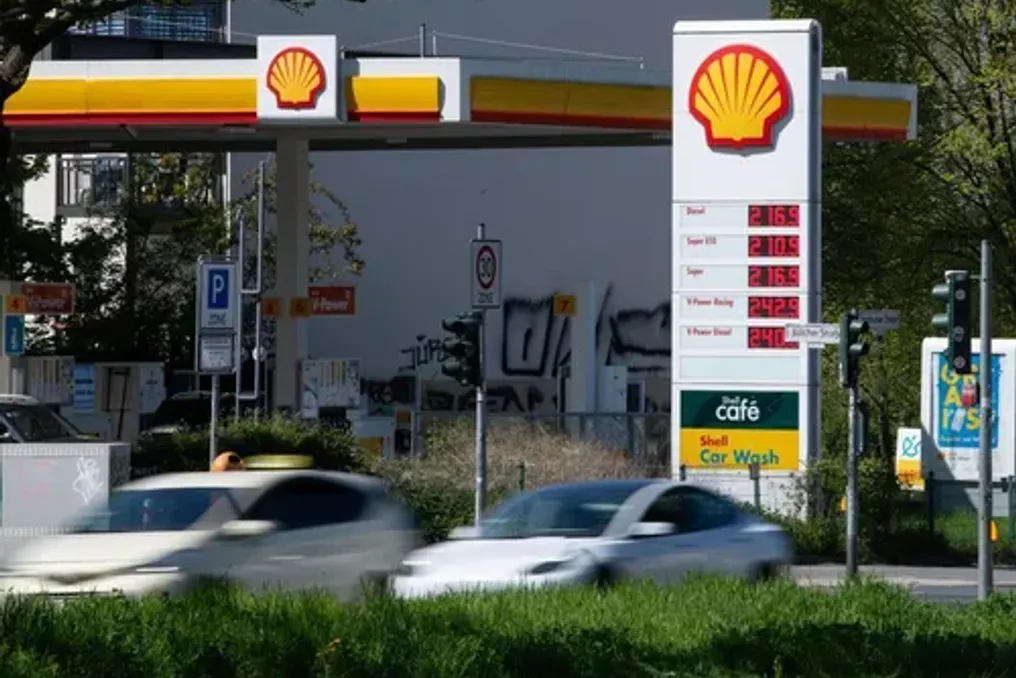
The impact of Middle East tensions is felt not only in gasoline or cooking gas prices. It has begun to manifest in the real estate sector. Rising oil prices increase transportation costs, which directly affects the cost of building materials. At the same time, supply chain disruptions can slow down project progress. Thus, problems in the Middle East now concern not only inflation but could also affect the housing dreams of millions of families.
Support for Developers, Wait for Buyers
Overall, the measure adopted by the central government aims to give developers extra time to overcome current difficulties. However, the downside is that thousands and millions of buyers may face delays in obtaining ownership of their homes. Buyers whose projects fall under this regulation should definitely clarify the new timelines with their developer and the relevant RERA authority.