The Chambers of Commerce and Industry of Uzbekistan and Kazakhstan held discussions on the preparation for the Uzbek-Kazakhstan business forum. The event will take place during the visit of the Kazakh delegation to Uzbekistan in August.
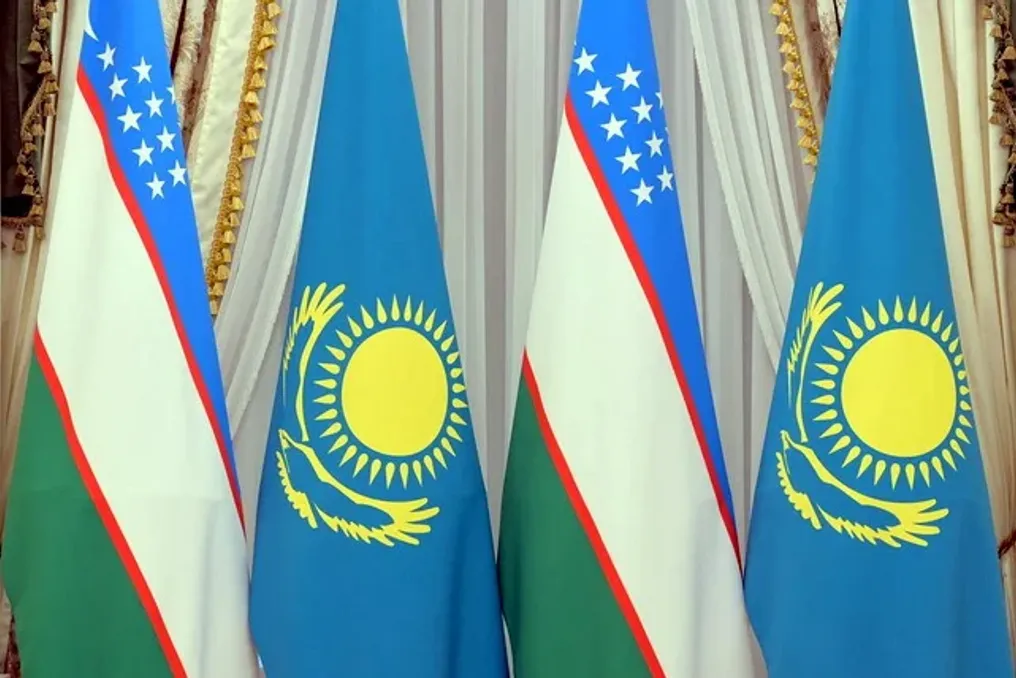
The Chambers of Commerce and Industry of Uzbekistan and Kazakhstan held discussions on the preparation for the Uzbek-Kazakhstan business forum. The event will take place during the visit of the Kazakh delegation to Uzbekistan in August.
The negotiations took place on July 30, 2026, via video conference. From the Uzbek side, the meeting was attended by the Chairman of the Chamber of Commerce and Industry, Davron Vakhabov, and Advisor to the Chairman, Alisher Shaykhov.
Also participating in the discussion were Kanat Sharlapayev, Chairman of the Presidium of the National Chamber of Entrepreneurs 'Atameken' of Kazakhstan; Murat Karimsakov, Chairman of the Board of the Chamber of Commerce of Kazakhstan and Co-Chairman of the Kazakhstan-Uzbek Business Council, as well as representatives from the Kazakh side.
Participants reviewed the program of the upcoming visit of the Kazakh business delegation, organizational aspects related to the business forum, and further steps for developing cooperation between entrepreneurs of the two countries.
It is expected that the Kazakh delegation will include leaders of the National Chamber of Entrepreneurs 'Atameken', representatives of regional chambers, delegations from Astana, Almaty, and Taraz, as well as representatives from the Turkestan, Kostanay, and East Kazakhstan regions. Representatives of the Kazakhstan Livestock Association, the Petrochemical Industry Association, the QazAI Association for Artificial Intelligence development, and other industry associations will also be present.
Logistics and agro-industrial cooperation have been identified as key areas of interaction at the forum. The visit program also includes visits to a technopark in Tashkent, industrial enterprises, and meetings with Uzbek producers.
Following the negotiations, the parties reaffirmed their intention to intensify cooperation with the aim of increasing mutual trade turnover, expanding industrial partnership, and implementing joint projects stipulated by bilateral agreements.
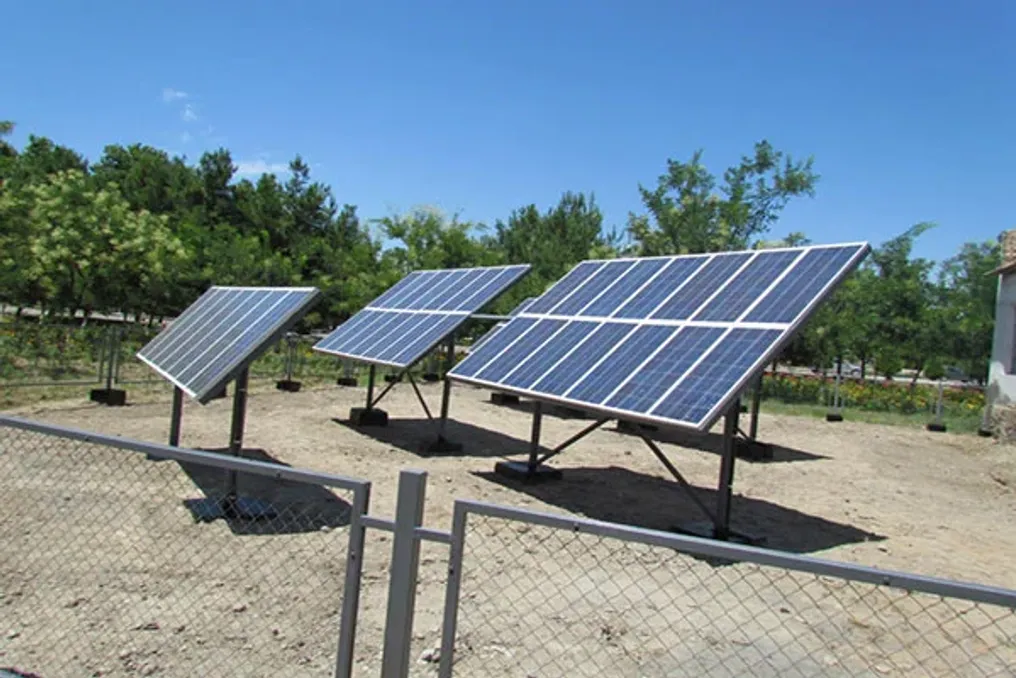
According to the Tax Committee, in the first half of 2026, 68,600 private individuals received state subsidies totaling 330.822 billion soums. These funds were allocated for electricity generated by solar panels and fed into Uzbekistan's unified power grid.
The largest subsidy amount was paid in Bukhara region, where recipients received 61.9 billion soums. Additionally, subsidies in Khorezm region amounted to 60.5 billion soums, and in Kashkadarya region—37.3 billion soums.
The Tax Committee reminded recipients that accumulated subsidies can be transferred to a bank card via the Soliq mobile application using the 'Cashback and Benefits' service in the 'Solar Home' section.
The Committee also noted that under the 'Solar Home' program, owners of solar panels installed at their facilities receive 1000 soums for every kilowatt-hour of electricity they feed into the unified power grid beyond their own consumption, starting from April 1, 2023. The financing of these subsidies is carried out from the state budget.
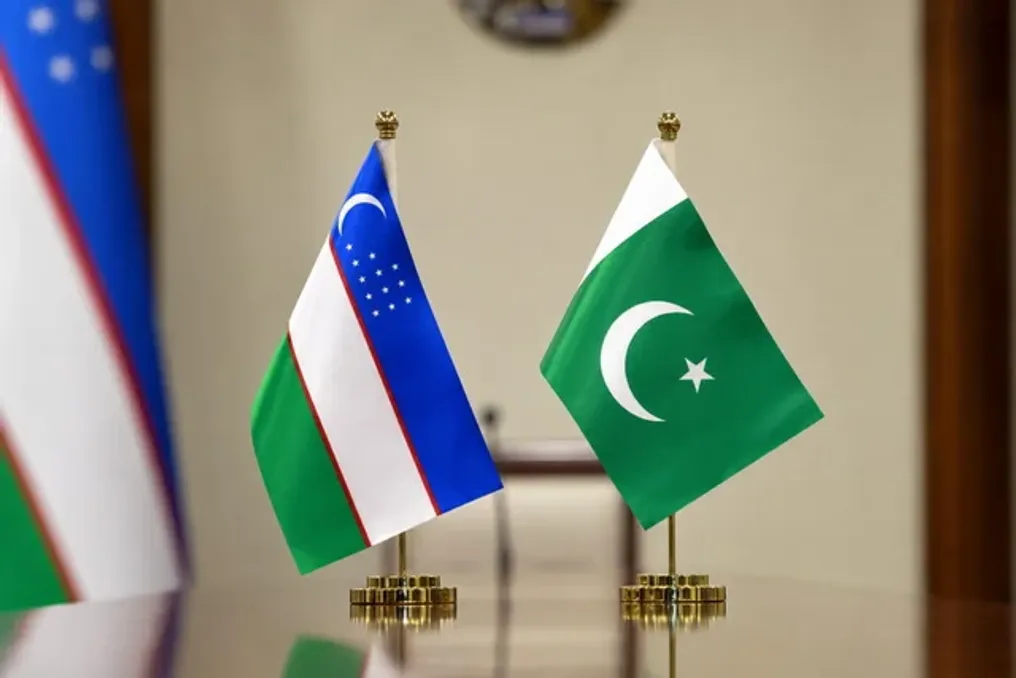
Uzbekistan and Pakistan plan to expand the list of goods covered by their preferential trade regime starting from August 14, 2026. The relevant protocol was approved by a presidential decree signed on July 10, 2026.
According to this document, the preferential trade regime will cover approximately 90 product categories. This agreement provides for the reduction of customs duties and simplification of trade procedures for goods produced in both countries.
For Uzbek exporters, the benefits will cover various groups of goods, including fruits and vegetables, food products, drinking water, textiles, yarn, knitted fabrics, copper products, electrical equipment, pharmaceuticals, and sanitary ware.
The expanded agreement will create additional opportunities for Uzbek enterprises to enter the Pakistani market, promote an increase in bilateral trade, and strengthen investment cooperation and industrial interaction.
The Ministry of Investment, Industry and Trade, together with relevant state agencies, has been instructed to support domestic exporters in effectively utilizing the new trade preferences.
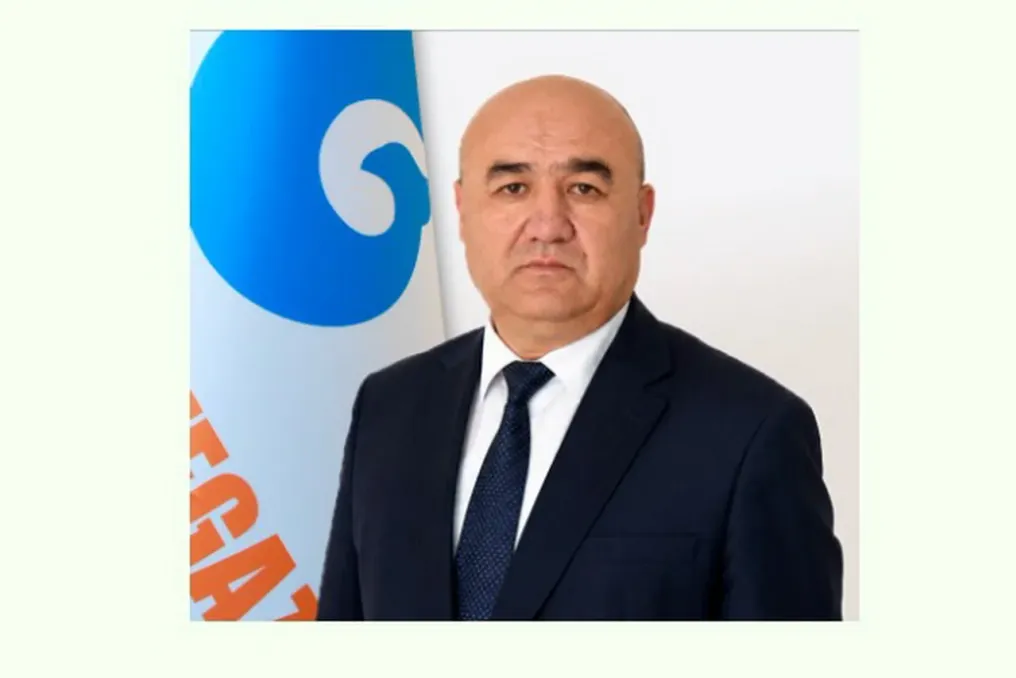
The company announced the appointment of Rufat Kudratov to the position of Director of the Oil and Gas Production Department of Mubarek within the joint-stock company Uzbekneftegaz JSC.
Prior to his new appointment, Kudratov held the position of General Director of Uzneftgazquduqta'mirlash JSC.
The Mubarek Oil and Gas Production Department is one of the key enterprises in the Uzbekneftegaz system. Its production facilities are mainly concentrated in the Kashkadarya, Bukhara, and Navoi regions. The company's main activities include the extraction of crude oil, natural gas, and gas condensate.
Currently, the department manages 35 oil and gas fields with a total area of 2,161 hectares, of which 18 are located in the Kashkadarya region and 17 in the Bukhara region. Four new fields were commissioned in 2025.
The department's operational activities cover 676 oil and gas production wells, 20 compressor stations, five gas purification plants, 42 gas pre-treatment units, and 204 metering nodes. Additionally, the company operates over 1,780 pressure vessels, more than 570 pumping units, and seven chemical laboratories.
According to the company's data, the department produces an average of 164 tons of crude oil, 23.445 million cubic meters of natural gas, and 520 tons of gas condensate daily. The resulting products are transported through the interfield pipeline network to the Mubarek Gas Processing Plant and the Bukhara Refinery.
As of February 1, 2026, approximately 3,637 people were employed in the department. During 2025, the Mubarek Oil and Gas Production Department produced 9.883 billion cubic meters of natural gas, 194,656 tons of gas condensate, and 62,121 tons of crude oil.
Over the year, the company conducted 92 geological and technical events, which, according to Uzbekneftegaz, ensured an additional production of 679.7 million cubic meters of natural gas. Nineteen new wells were put into operation through drilling, and another 42 wells were restored after major repairs. The company also achieved targets for electricity and fuel gas savings while continuing to modernize its production infrastructure.