Across the territory of South Africa, mountains, craters, caves, and canyons hold evidence of ancient volcanoes, meteorite impacts, continental shifts, and rivers that have shaped the landscape over billions of years.
These sites reveal extraordinary geological forces that formed South Africa long before humans appeared, whether you are fascinated by fossils, interested in plate tectonics, or simply enjoying dramatic natural scenery.
Berberton Makhonjwa: The Oldest Rocks
The Barberton Makhonjwa Mountains are among the oldest exposed rock formations on the planet, estimated to be about 3.5 billion years old. Recognized as a UNESCO World Heritage site, these mountains provide scientists with a unique window into the early Earth's crust and the conditions present during the dawn of life.
Unlike many ancient formations heavily altered by time, the rocks here are exceptionally well preserved. Visitors can hike the Barberton Makhonjwa Geotrail—a self-drive route featuring viewpoints and information boards explaining volcanic activity, ancient oceans, and some of the earliest known geological processes.
Vredefort Dome: Meteorite Impact
Approximately two billion years ago, a massive meteorite struck central South Africa, creating the largest confirmed impact structure on Earth. Although erosion has worn away much of the original crater, the Vredefort Dome still demonstrates the immense forces released during the collision.
The impact exposed deep layers of the Earth's crust, forming unusual mountain structures and impressive folded landscapes. Today, visitors can explore hiking trails, river routes, and participate in guided geological tours detailing how this collision permanently changed the surrounding region. This dome is also a UNESCO World Heritage site, underscoring its global scientific significance.
Pilanesberg National Park: Volcano
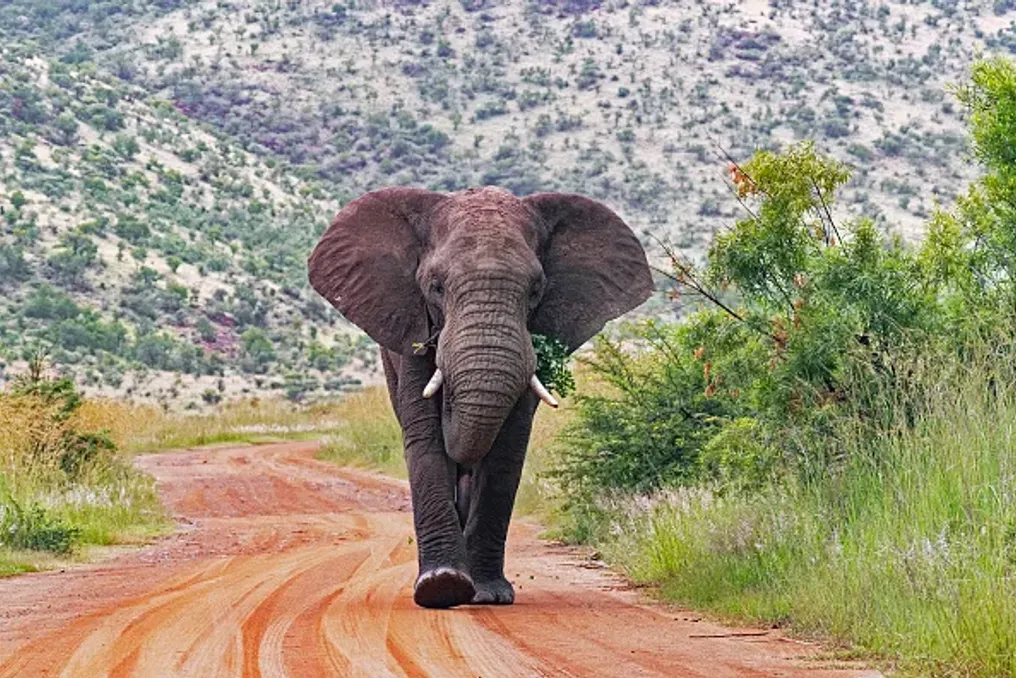
Pilanesberg National Park is known for Big Five safaris, but many tourists do not know they are driving through the remnants of an extinct volcano. The park is located within one of the world's largest alkaline volcanic ring complexes, which formed about 1.2 billion years ago.
Over time, erosion has removed the volcanic cone, leaving behind a ring of hills that now surrounds fertile, wildlife-rich valleys. This unique geology contributes to Pilanesberg's outstanding biodiversity, as varying altitudes and soil types support numerous ecosystems. It is one of the few places where wildlife viewing can be combined with a lesson in volcanic history.
Augrabies National Park: Granite
The mighty Orange River plunges nearly 60 meters into a dramatic granite canyon in Augrabies National Park, creating one of South Africa's most impressive geological spectacles. Over millions of years, the flowing water has carved deep channels into the ancient granite bedrock, leaving polished stone surfaces, high cliffs, and amazing erosion patterns.
The name 'Augrabies' derives from the Khoi word Khoi Aukoerebis, meaning 'place of great noise'—a fitting description for the thunderous waterfalls, especially after seasonal rains. Panoramic viewpoints throughout the park showcase the colossal power of water in shaping the landscape over geological time.
Cswaning Crater: Meteorite Trace
Near Pretoria lies Cswaning Crater, one of the best-preserved meteorite impact craters in the world. It formed approximately 220,000 years ago when a meteorite fell to Earth. The crater is about 1.13 kilometers in diameter and once contained a salt lake that attracted both wildlife and early humans.
A hiking trail leads visitors down into the crater, where informational plaques explain the impact event, local ecology, and archaeological findings. The combination of geology, archaeology, and biodiversity makes Cswaning an engaging destination for curious travelers.
Kango Caves: Underground Wonder
Hidden beneath the Swartberg Mountains near Oudtshoorn, Kango Caves demonstrate millions of years of slow geological transformation. Formed in thick limestone deposits, the caves gradually developed under the action of groundwater dissolving the rock, resulting in vast chambers adorned with magnificent stalactites, stalagmites, and delicate flowstone formations.
Tours showcase majestic caverns such as Van Zila Hall and Cleopatra's Needle, while explaining the geological processes responsible for these remarkable natural sculptures. The caves remain one of South Africa's most famous natural attractions, continuing to inspire visitors with their subterranean beauty.
More Than Just Beautiful Scenery
South Africa's geological wonders tell stories spanning billions of years—from ancient volcanic eruptions and colossal meteorite impacts to rivers patiently carving canyons and caves beneath the surface. Visiting these sites offers more than just picturesque views; it is an opportunity to witness the forces that shaped not only South Africa but our planet as a whole. For geology enthusiasts, every rock, cliff, and crater reveals a new page in Earth's extraordinary history.