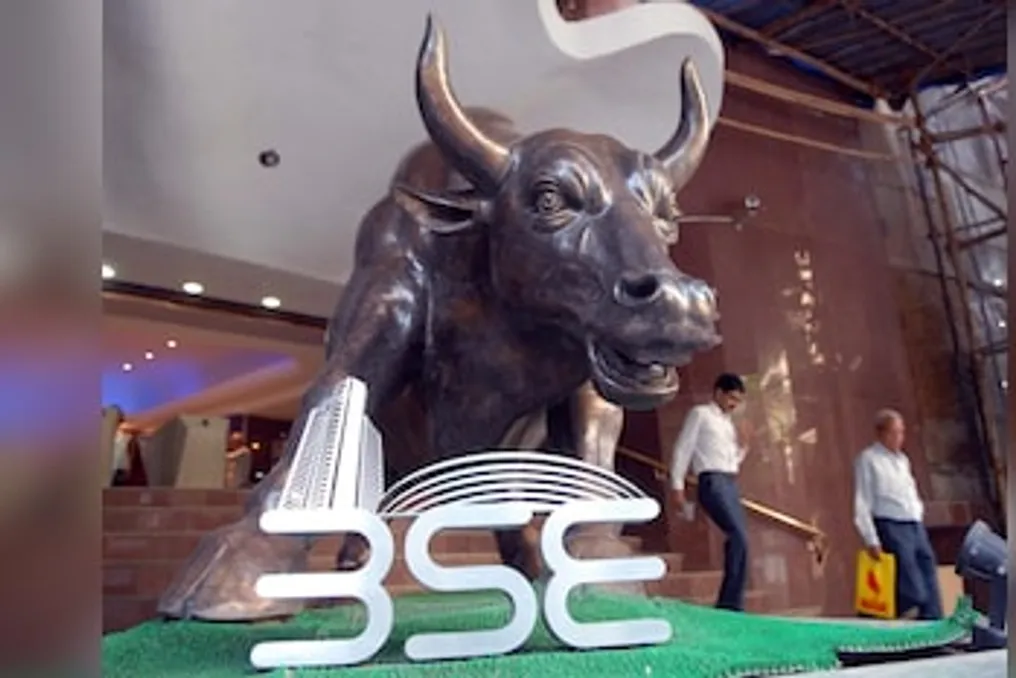
Indian stock markets are approaching the end of July on a positive note. As of July 30, the Sensex index rose by 1450 points, which is 1.89 percent, while the Nifty 50 advanced by 453 points, or 1.90 percent. Despite geopolitical tensions and political uncertainty, investors maintain cautious optimism ahead of August.
Historical August Statistics
An analysis of data from the last 11 years shows that Sensex ended August in positive territory in 6 instances, with an average gain of 3.42 percent. In 5 cases, the index closed in the negative, showing an average decline of 2.71 percent. Notably, in the last three years (2023 and 2025), Sensex ended August with losses of 2.55 percent and 1.69 percent, respectively.
Nifty's performance largely mirrors that of Sensex. Over the same 11 years, the index ended August higher in 6 years, achieving an average growth of 3.46 percent. However, in 5 years, it recorded negative returns, with an average drop of 2.58 percent. Like Sensex, Nifty showed negative results in 2023 and 2025, declining by 2.53 percent and 1.38 percent, respectively.
Analyst Forecasts and Risk Factors
Devansh Vakil, Head of Research at HDFC Securities, believes that Indian markets are likely to remain resilient as geopolitical concerns ease and India's weighting in the MSCI Emerging Markets index increases amid the weakness of countries like Korea and Taiwan. He added that the markets could benefit from earnings meeting expectations, healthier valuations after nearly two years of price consolidation, and foreign investment inflows into large companies.
Key events to watch in August also include corporate earnings season. Sudip Shah, Head of Technical and Derivatives Research at SBI Securities, noted that investors will closely monitor the seasonal corporate reports to assess the sustainability of profit growth and management prospects. Furthermore, the progress and distribution of the southwest monsoon and reservoir levels during the sowing period will be critical for assessing agricultural demand, yield, and inflation.
Additionally, the outcome and commentary from the RBI MPC meeting in the first week of August will provide signals on the balance between domestic growth and inflation, which may affect liquidity and risk appetite. Other determining factors include geopolitical events affecting trade flows and energy prices, as well as changes in stocks related to the MSCI review, crude oil price trajectory, bond yields, the US dollar index, and inflation expectations. Sudip Shah also emphasized that any news of a ceasefire in the Middle East war or further decline in crude oil prices would support Indian stock markets in August.
Promising Market Sectors
Regarding sectors that have historically performed well in August, Sudip pointed to favorable seasonality in the FMCG and Automobile sectors. The FMCG index ended August in the black in 13 out of the last 20 years, providing an average return of 2.84 percent. After the post-COVID recovery period, this sector showed only one negative August, falling by 2.93 percent in 2023.
The automotive sector is also one of the strongest, as the index closed in the green zone in 12 out of the last 20 years, generating an average gain of 5.30 percent. According to Sudip, the auto business should see renewed buying interest if the monsoon improves and channels fill up before the holidays.