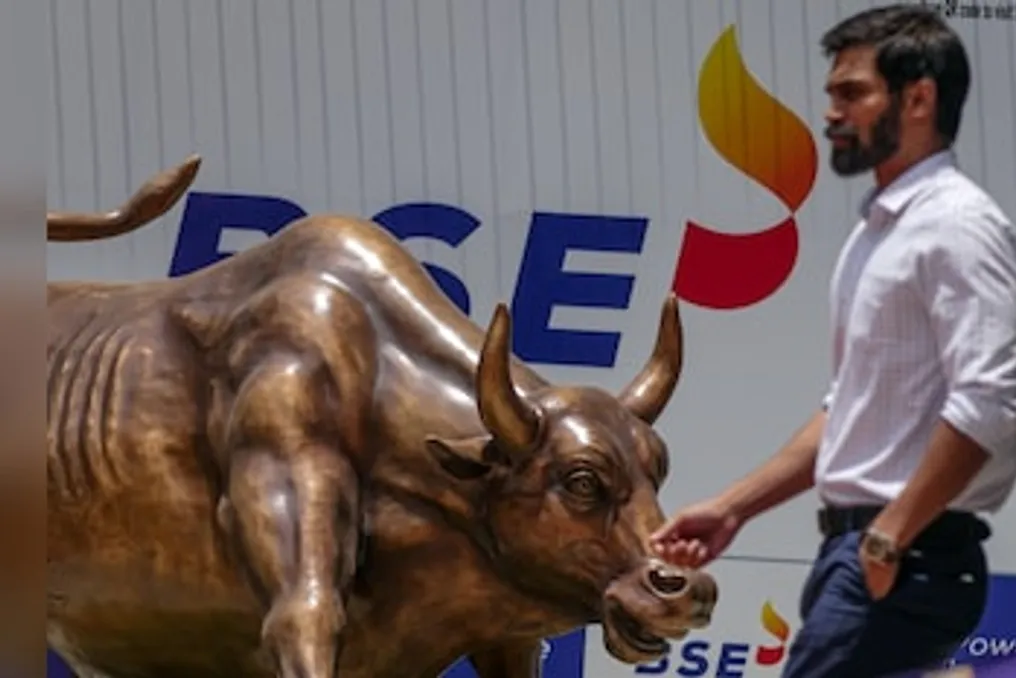
In July, the Sensex and Nifty indices demonstrated a growth of 2%. The information technology (IT) sector was the leader in growth. However, more than half of the stocks in the BSE 500 list, which constitute 87 percent of the total market capitalization of companies listed on BSE, underperformed the market, increasing by less than 1 percent. The number of stocks that fell dropped to 280 from 22 percent.
Dynamics of Major Indices
In comparison, the BSE Sensex, BSE 500, and BSE Midcap indices recorded positive returns in the range of 1 to 2 percent. Meanwhile, the BSE Smallcap index decreased by 0.1 percent. The Nifty 50, Nifty Midcap 100, Nifty Smallcap 100, and Nifty 500 indices showed growth between 1.4 and 2.1 percent during July.
Prominent Stocks and Sectors
Among the companies whose market value decreased by 15–20 percent in July were Dr Reddy’s Laboratories, Bandhan Bank, Thermax, Tejas Networks, Sulzon Energy, GE Vernova T&D India, Siemens Energy India, and Gujarat Energy. At the same time, the share price of Kalyan Jewellers India soared by 63 percent this month. Shares of eClerx Services, C E Info Systems, Lodha Developers, HEG, Info Edge (India), LTM, HCL Technologies, and Persistent Systems grew by 26–46 percent.
Reasons for Growth and Decline
Analysts attributed the outperformance of individual stocks to first-quarter profits and the resumption of purchases in the IT sector amid a global slowdown related to artificial intelligence (AI) trading. IT remained the strongest sector as investors continued to reallocate funds into this segment. Ajit Mishra, Senior Vice President of Research at Religare Broking, noted that investor sentiment improved due to encouraging quarterly reports from some companies and the resilience of the IT sector. Nevertheless, geopolitical tensions in the Middle East and rising crude oil prices remained on investors' radar.
Sectoral Performance and Forecasts
Within the industry classification, BSE Information Technology (IT) outperformed other sectors, growing by 16 percent, followed by BSE Consumer Durables (9.4 percent), BSE Realty (8.4 percent), and BSE Auto (5.9 percent). The BSE Fast Moving Consumer Goods (FMCG), Healthcare, and Metal indices grew by 1.6–3 percent. According to Pommudy R, CEO of Enrich Money, Indian IT companies benefited from their service-based business models, sustainable revenue forecasts, and attractive relative valuation, unlike Asian technology markets which faced pressure due to concerns over semiconductor valuations and increased competition in AI hardware. Institutional investors began selectively increasing their stake in companies providing software and IT services, anticipating benefits from the next phase of AI adoption.
Negative Trends and External Factors
The worst performers were the BSE Capital Goods and Power indices, which fell by 7.1 and 6.4 percent respectively in July. The BSE Telecommunication, Nifty Bank, and Nifty PSU Bank indices also declined by up to 3 percent. Vinod Nair, Head of Research at Geojit Investments, suggested that the Fed's decision to keep rates unchanged was expected, but persistent tightness due to the focus on inflation control caused concern. The sharp rise in US bond yields signaled a possible interest rate hike in the near future, keeping global investors on edge, while crude oil price volatility amidst tensions in West Asia added external uncertainty. Consequently, domestic stocks remained in a narrow range with sharp intraday fluctuations as investors weighed global difficulties against stable domestic fundamentals. Nevertheless, strengthening foreign portfolio investor (FII) inflows, a stronger rupee, and encouraging first-quarter data for the 2027 fiscal year supported sentiment, prompting investors to view declines as opportunities for selective buying.