A study conducted by the organization World Weather Attribution (WWA) suggests that current climatic conditions have significantly increased the probability of large fires occurring. Scientists indicate that under the present climate, events of this magnitude are expected once every 20 years in southwestern France and once every six years in central Spain.
Impact of Recent Fires
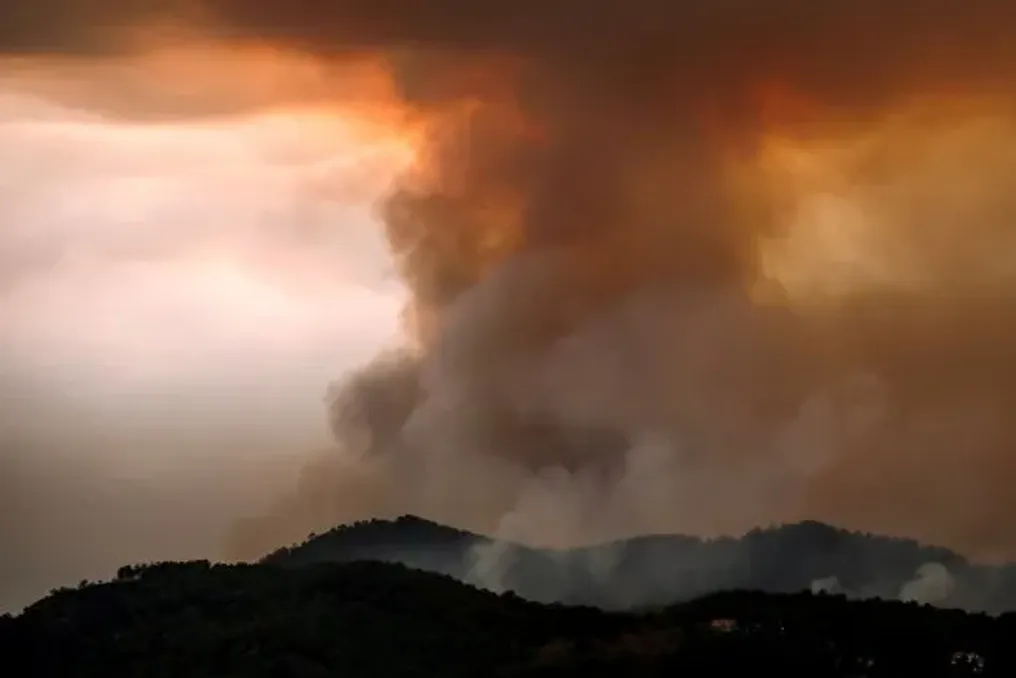
Both regions suffered from destructive forest fires in recent weeks. These events resulted in the death of three people, the destruction of thousands of homes, and forced the evacuation of 300,000 inhabitants. The fires have been classified as some of the worst ever recorded, with some generating their own weather systems and complicating firefighting efforts.
Contribution of Climate Change
Recent analyses by WWA demonstrate that both the heatwaves recorded in June and the drought currently affecting Europe have been intensified by human-caused climate change. Furthermore, last September, the team concluded that climate change exacerbated the forest fires that occurred in the previous year in both Spain and Portugal.
Scientific View on the Phenomenon
WWA functions as an international scientific collaboration dedicated to analyzing and communicating the possible influence of climate change on extreme phenomena, such as droughts, storms, heatwaves, and torrential rains, involving researchers from various global universities and institutions.
Andreia Ribeiro, a climate scientist at the Helmholtz Centre for Environmental Research in Germany, commented on the analysis announcement, stating that when fires occur simultaneously in several areas, it is clear that human-induced climate change not only raises the chance of more severe fires but also their synchronicity.
Air Quality and Alert
Augustin Colette, from the French National Institute of Industrial Environment and Risks, warned about the vast amount of atmospheric pollutants released by the fires. This pollution increased the concentration of particles up to twenty times above the level considered acceptable for air quality in Europe, with this impact felt up to 400 kilometers from the fire hotspots.
Clair Barnes, an associate researcher in Extreme Climate and Climate Change at the Imperial College London's Environmental Policy Centre, emphasized that what is happening in France and Spain is not mere coincidence, but rather a clear indicator of the growing effects of anthropogenic warming.