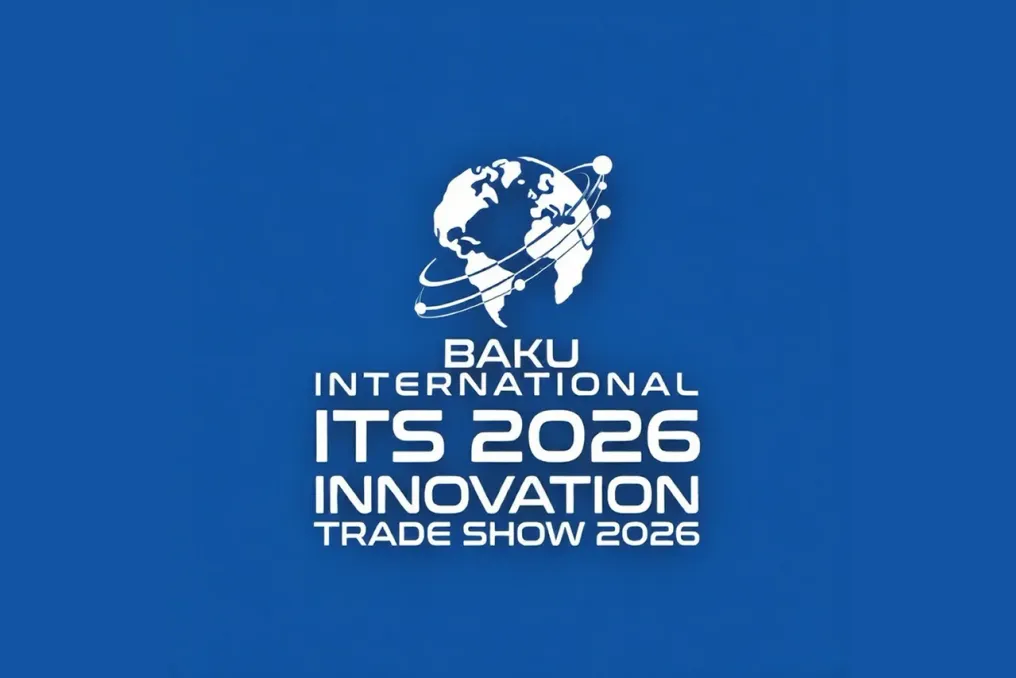
The first International Trade Exhibition of Innovations ITS Baku 2026 will take place at the Baku Exhibition Center from November 26 to 28, 2026. Organizers predict the participation of over 350 companies from about 20 countries.
The first International Trade Exhibition of Innovations ITS Baku 2026 will take place at the Baku Exhibition Center from November 26 to 28, 2026. Organizers predict the participation of over 350 companies from about 20 countries.
The exhibition will gather representatives from high-tech industries to showcase achievements in areas such as artificial intelligence, robotics, biotechnology, green technologies, and additive manufacturing. The main goal of ITS Baku 2026 is to create a platform for presenting advanced technological solutions, stimulating inter-industry cooperation, and forming partnerships at all stages of the innovation cycle—from startups and scientific research to industrial implementation and entry into international markets.
The event program will include panel discussions with international experts, presentations of innovative projects, pitching sessions for startups, and business meetings between companies. Demonstration zones are provided where companies can present their developments to potential partners and investors.
Each day of the exhibition will be dedicated to a specific theme. On November 26, the program will focus on the theme 'Synergy of Business and Industry'. On November 27, the emphasis will be placed on digital healthcare and biotechnology, and on November 28, issues of education, sustainable development, and investment will be covered.
Organizers expect that ITS Baku 2026 will become an international platform for companies, startups, and investors from Asia, the Middle East, and Europe. The event aims to promote the establishment of long-term technological partnerships and expand international interaction. The exhibition is seen as an important step in the development of Azerbaijan's innovation ecosystem, helping to attract foreign direct investment into the country's IT sector, expanding local companies' access to advanced technologies and international connections, and strengthening Azerbaijan's position as one of the region's technology centers.
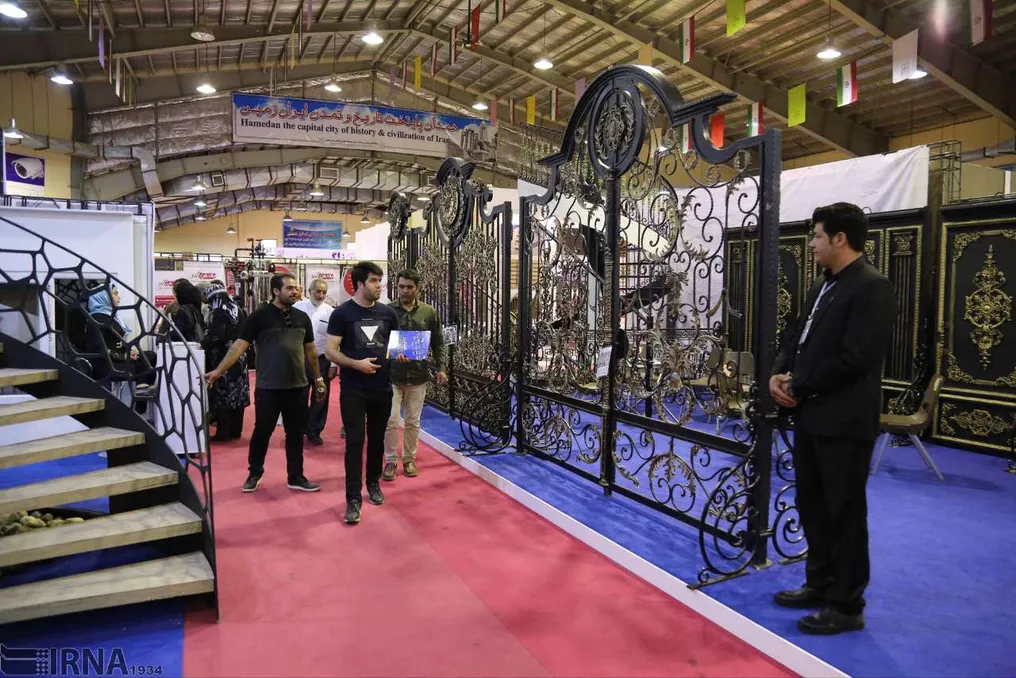
The eighteenth International Exhibition of Doors, Windows and Related Industries opened on Tuesday, July 21, at the Permanent International Exhibition grounds in Tehran. The event showcased the latest achievements of 61 domestic and foreign companies.
According to IRNA, 54 domestic companies and seven foreign companies participated in the exhibition. Among the foreign participants were representatives from China, Turkey, Spain, South Korea, and Germany. These companies demonstrated their newest products, equipment, and technologies across various segments of the door and window industry, as well as in related fields.
The exhibition serves as a platform for fostering a healthy competitive environment among local manufacturers with the aim of improving product quality. It also allows for direct contact between producers and consumers to gain a deeper understanding of market needs. Furthermore, the event promotes the exchange of ideas, technologies, and products among participants from different countries, strengthens business ties, expands commercial cooperation, facilitates the exchange of technical knowledge, demonstrates the potential of local producers, transfers experience and technology, and creates new opportunities for commercial interaction in the door and window sector.
The exhibition will last four days at the Permanent International Exhibition in Tehran. In addition to professionals from the construction industry, such as engineers, architects, mass developers, and specialists in related fields, the general public can also be visitors.
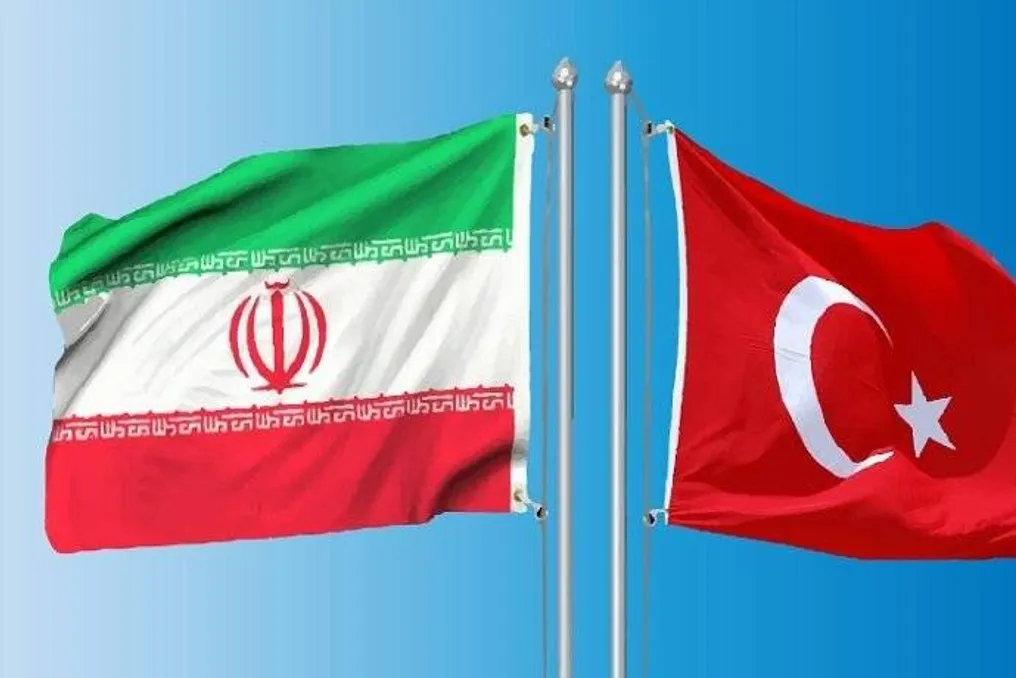
According to an official representative of the Ministry of Science, Iran and Turkey intend to establish a joint innovation center and develop a sustainable business model for interaction.
As part of implementing megatechnological projects, both countries have prepared nine technological initiatives for joint implementation. This was reported by Mohammad-Nabi Shahiki, citing the IRNA agency. These statements were made during a meeting dedicated to planning the Iran-Turkey Science and Technology Week.
Shahiki emphasized the significance of science and technology parks in expanding international cooperation. He noted that the main goal is to transition from academic interaction to creating a synergistic network that includes universities, research institutes, and technology parks. This network will facilitate joint projects in education, research, and technology, generating common strategic results for both sides.
Ehsan Kabul, head of the Ministry of Science's International Scientific Cooperation Center, announced that the Iran-Turkey Science and Technology Week is scheduled for the second month of autumn in Urmia (Western Azerbaijan) and Tabriz (Eastern Azerbaijan).
Previously, in February, Kabul and the Turkish ambassador in Tehran, Hijabi Kırlangıç, studied the potential, challenges, and future prospects of strengthening scientific, research, and educational cooperation between Iran and Turkey.
The parties agreed to boost scientific diplomacy by organizing the Iran-Turkey Science Week, holding regular meetings of leading universities, developing joint scientific projects, and establishing science and technology parks, especially in border areas. Kabul stated that the main task is to form a unified scientific ecosystem covering all aspects from higher education to applied research and modern technologies.
Another discussed issue was co-supervision of dissertations. The official representative noted that students from Persia and Turkey can help solve common problems of the two countries, conduct joint research, and enhance the international scientific status of Iranian and Turkish universities.
Furthermore, it was proposed to exchange students, provide scholarships, organize joint scientific competitions on common environmental, technological, and industrial issues, and develop joint curricula to strengthen cultural ties and localize education.
Iranian officials demonstrated readiness to accept more Turkish students, given the high potential of the country's medical universities. Currently, over 130 Turkish students are studying medicine in Iran. For his part, Kırlangıç highlighted the need to resolve issues related to visa issuance and equivalent certificates, stressing that transparent mechanisms would increase trust among students and their families.
In June, Minister of Science, Research, and Technology Hossein Simai-Sarraf spoke at the VII Turkish Educational Technology Summit (TETZ 2026), highlighting the country's high scientific and research capabilities despite sanctions. According to Simai-Sarraf, Iran ranks first among Islamic countries in cognitive sciences and ninth in the world in advanced materials. Many renowned Iranian universities are included in international rankings.
Simai-Sarraf noted that Iran represents a significant opportunity for investment in modern technologies and higher education, possessing one of the largest higher education systems in the region with over three million students and more than seventy thousand faculty members and researchers.
The minister stressed that the rapid development of new technologies, including artificial intelligence, is fundamentally changing human relations and higher education systems worldwide at an unprecedented pace. He stated that the effective use of intelligent technologies requires creating a system based on algorithmic transparency, educational equity, accountability, protection of student rights, and responsible data management.
In the minister's view, cultural and social requirements must be integrated into the design and implementation process of these technologies. This will help promote social trust, facilitate the adoption of smart education, and ensure its acceptance without risks to data governance at national and international levels. He expressed hope that the summit would serve as a basis for expanding academic ties, knowledge exchange, and developing joint initiatives in the field of smart education.