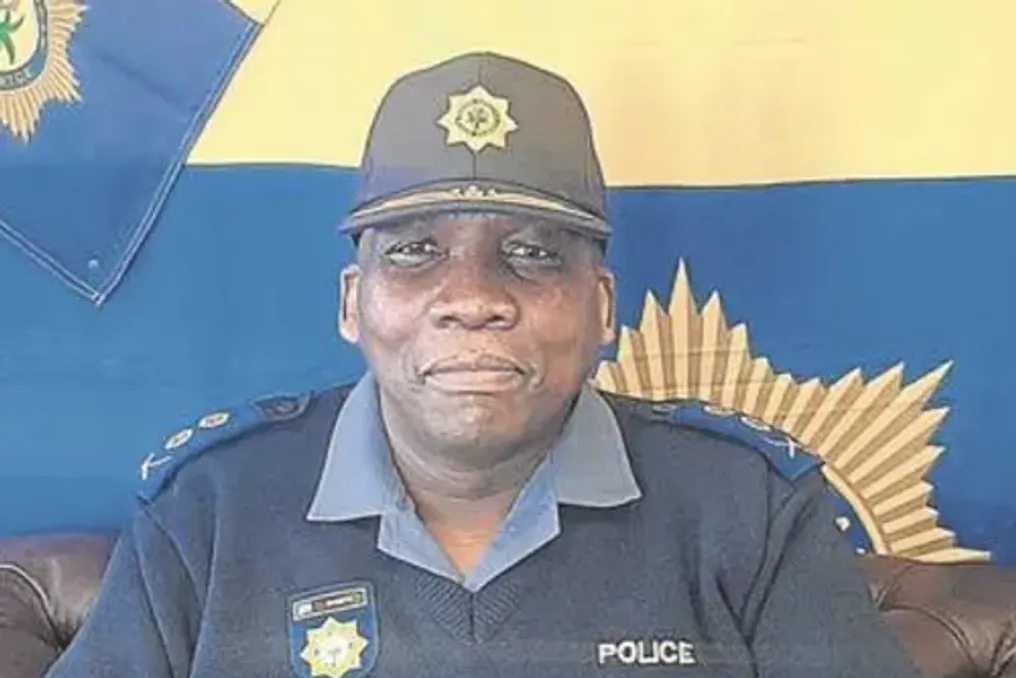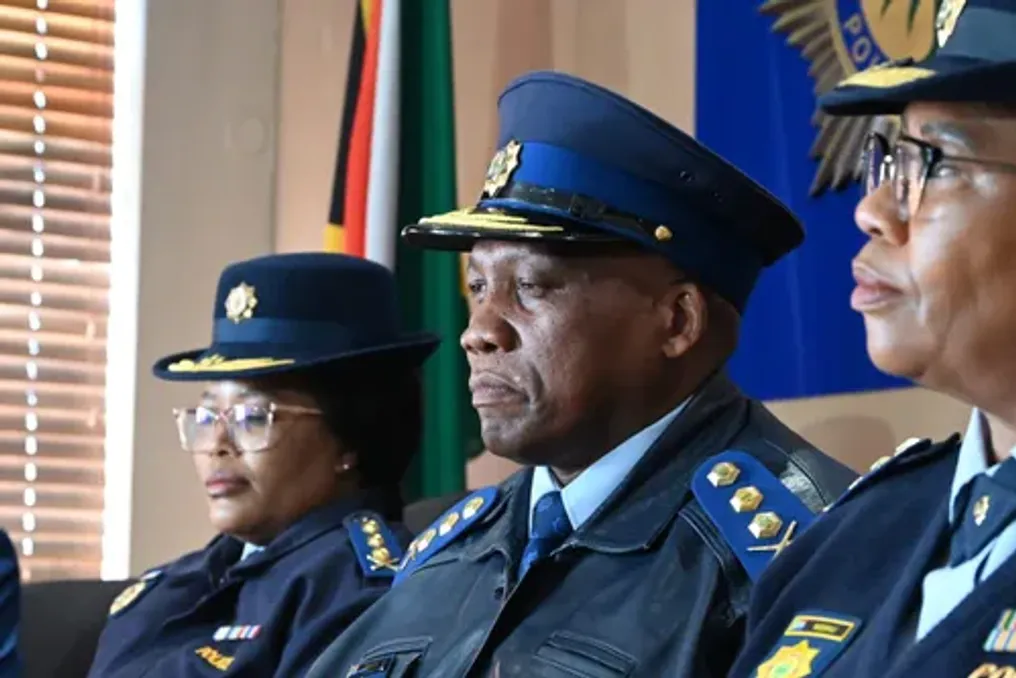
The new Provincial Commissioner of the Western Cape, Lieutenant General Sizakele William Danti, was introduced alongside the incumbent National Commissioner Puleng Dimpane. Political parties and civil organizations welcomed Danti's appointment, noting his commitment to combating gangs, but they also strongly urged him to focus on issues of gender-based violence (GBV) and strengthening community ties.
Announcement and Political Reaction
Danti's appointment was officially announced on Wednesday during a press briefing at the SAPS headquarters in Cape Town by the incumbent National Commissioner Puleng Dimpane and Premier Alan Wind. This comes less than a month after the retirement of former Provincial Commissioner Lieutenant General Thembisile Patekele on June 30.
ActionSA candidate for Mayor of Cape Town, Derelin James, reacted positively to the appointment, stating that in a situation where communities continue to suffer from crime, extortion, and gang activity, this appointment offers an opportunity to restore trust in the police's work. James noted that she supports Danti's commitment to prioritizing the fight against gang violence, believing his experience will lead to decisive action against criminal networks terrorizing the Western Cape.
Calls for Comprehensive Measures
GOOD Party candidate for Mayor of Cape Town, Brett Herron, stated that he has inherited the complex task of curbing banditry in areas where municipal and provincial authorities have effectively withdrawn support. Herron emphasized that issues related to children falling into the hands of gangs in Cape Flats are matters of social justice, not just policing. He noted that while Lieutenant General Danti's responsibility lies in preventative measures and arrests, solving the problem of gang culture rests with the City and the Province.
Linda Jones, a public relations officer for the Mitchells Plain United Residence association, expressed support for the appointment, hoping the commissioner would focus on eradicating corruption between law enforcement agencies and certain gangs. She also highlighted the need for strong investigators who conduct thorough investigations before bringing charges or making arrests.
Civil Society Stance
Ilitha Labantu representative, Siyabulela Monakali, acknowledged the significant responsibility placed on Danti to strengthen public safety and restore trust. Monakali noted that gang activity has devastating consequences for many Western Cape communities, affecting life, safety, education, causing substance abuse, and putting women, children, and youth at risk of violence and exploitation.
However, Ilitha Labantu stressed that banditry is not an isolated phenomenon. It is a consequence of multiple interconnected factors that have created conditions for gangs to thrive. Monakali listed such factors as poverty, unemployment, inequality, substance abuse, inadequate housing, limited economic opportunities, and the legacy of apartheid spatial planning. Therefore, fighting banditry requires not only effective policing but also continuous investment in prevention programs, youth development, education, employment, social support, and community-level interventions aimed at addressing the root causes of violence.