Uzbekistan and Georgia held discussions on practical measures to implement the memorandum of cooperation in environmental protection, which was signed in July during the state visit of Uzbekistan President Shavkat Mirziyoyev to Georgia.
Uzbekistan and Georgia held discussions on practical measures to implement the memorandum of cooperation in environmental protection, which was signed in July during the state visit of Uzbekistan President Shavkat Mirziyoyev to Georgia.
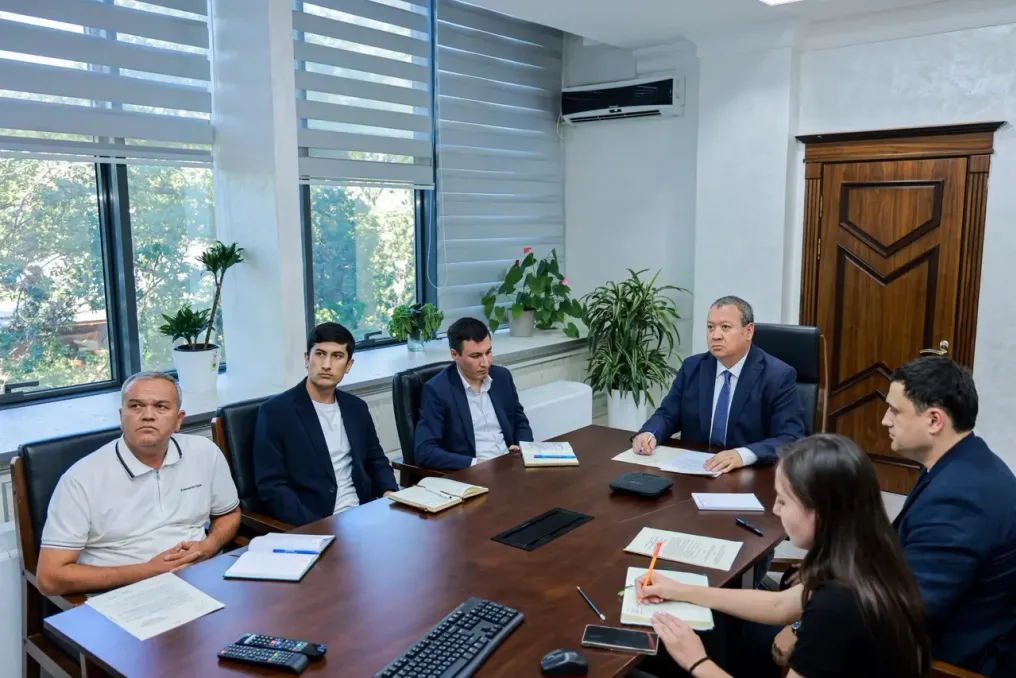
The discussions took place via video conference. Participants included a delegation from the National Committee of Uzbekistan on Ecology and Climate Change, led by Deputy Chairman Jusipbek Kazbekov, as well as a delegation from the Ministry of Environment and Agriculture of Georgia headed by First Deputy Minister Nino Tandilashvili.
The parties reviewed readiness to create a joint roadmap for implementing the memorandum and identified key areas of interaction. One central issue was cooperation in waste management. Georgia's experience in separate collection, sorting, and recycling of waste, as well as the construction of modern waste processing facilities with energy generation, was discussed.
Participants also discussed cooperation within the framework of the Paris Agreement on climate change. The negotiations covered projects aimed at reducing greenhouse gas emissions, adapting to climate change, and developing mechanisms for climate financing. Furthermore, the parties examined opportunities for joint work with international financial institutions and organizations such as the Global Environment Facility (GEF), Green Climate Fund (GCF), United Nations Development Programme (UNDP), and the European Union, for preparing and implementing environmental and climate projects.
As a result of the meeting, an agreement was reached to establish a joint working group, appoint national coordinators, and conduct regular expert consultations to ensure the implementation of the memorandum. Participants confirmed their mutual interest in further expanding cooperation between Uzbekistan and Georgia on environmental protection and climate change issues.
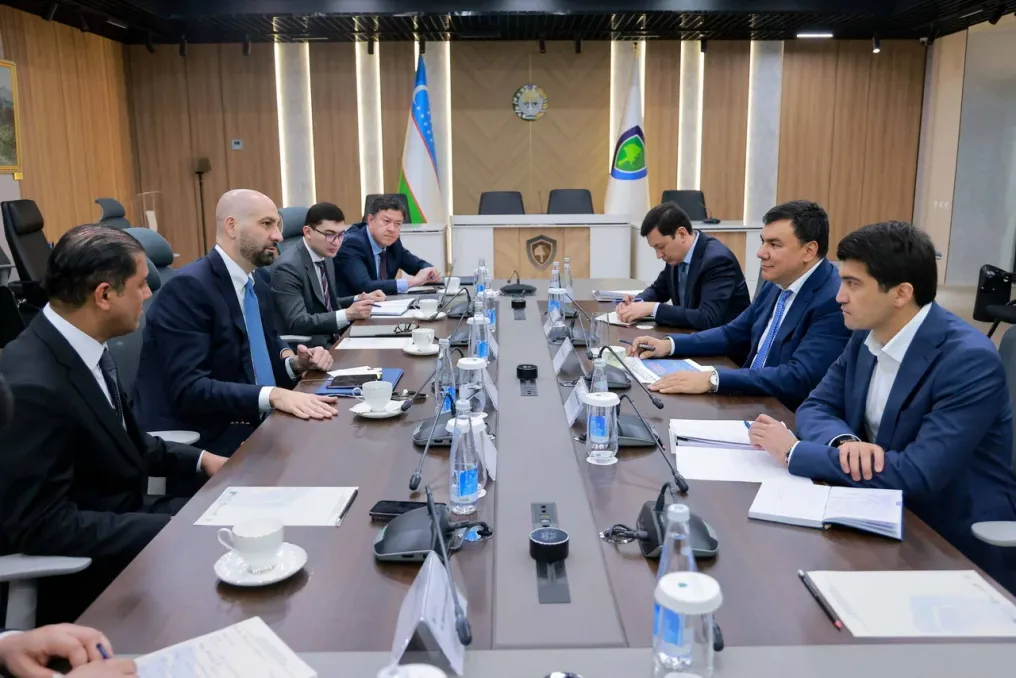
A meeting took place in Tashkent between Aziz Abdukhakimov, Advisor to the President of Uzbekistan on environmental issues and Chairman of the National Committee on Climate Change, and Omar N. Al-Midani, President and CEO of Vision Invest. The goal of the negotiations was to discuss measures aimed at accelerating the implementation of an investment project for the recycling of hazardous industrial waste.
The main focus of the conversation was on the possibilities of implementing modern, environmentally safe technologies for processing hazardous waste in Uzbekistan, which complies with international standards. The parties examined in detail the technical, financial, and organizational components of this project.
The participants exchanged views on the practical implementation of the initiative and agreed on the need to take further phased steps to launch the project. Furthermore, the preparation of all necessary documentation, information exchange, and coordination of joint work were discussed.
It was noted that this project will allow for the creation of a modern system for the safe collection, transportation, treatment, and recycling of hazardous industrial waste. It is expected that the project's implementation will help reduce the negative impact of hazardous waste on the environment and public health, while also promoting the development of infrastructure for environmentally safe waste management in Uzbekistan. At the end of the meeting, the parties reaffirmed their commitment to continuing cooperation and intensifying joint efforts to fulfill the agreements reached.
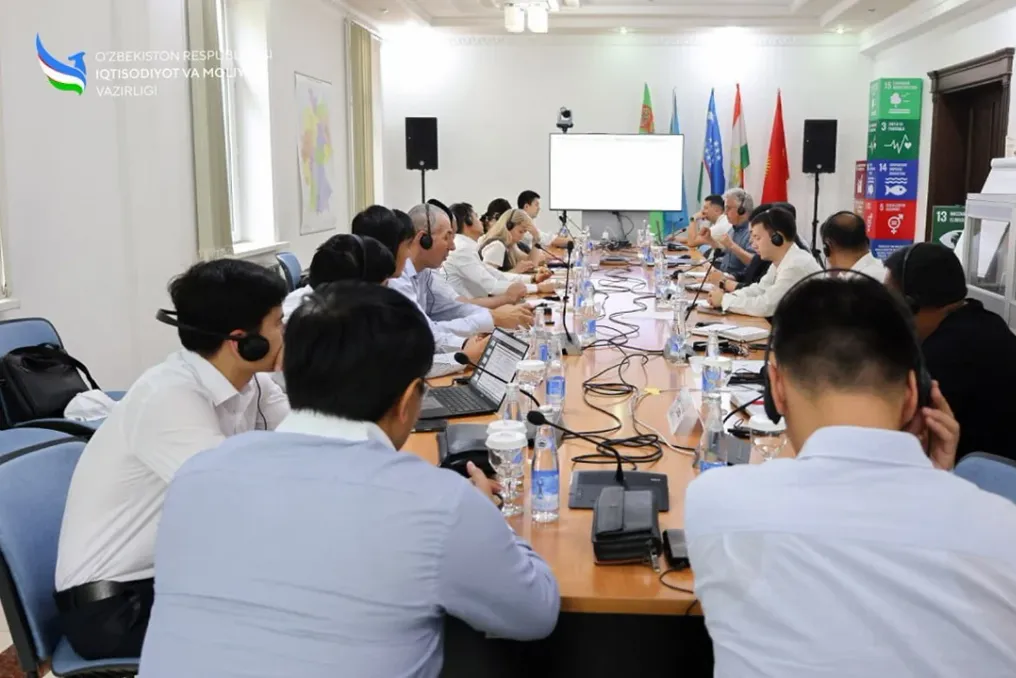
In Tashkent, Uzbekistan, a training seminar was held dedicated to introducing greenhouse gas monitoring, reporting, and verification (GHG MRV) systems at the enterprise level. The event was organized on July 22, 2026, by the initiative of the Ministry of Economy and Finance, the Green Economy Projects Center, and the German Agency for International Cooperation (GIZ).
The Ministry of Economy and Finance reported that the seminar is part of efforts to support green industrialization in Uzbekistan and provide technical consultations on implementing GHG MRV systems at industrial facilities. Specialists from relevant ministries and agencies, representatives of industrial enterprises, and industry experts took part in the event.
Expert Zsolt Lendel, representing the German company Integration Consulting hired by GIZ, presented international experience in assessing enterprises' readiness to implement GHG MRV systems. Participants also familiarized themselves with practical methods for organizing monitoring, reporting, and verification processes, as well as modern approaches to managing greenhouse gas emissions.
Practical sessions focused on assessing enterprises' readiness for MRV implementation, developing monitoring plans, collecting and managing emission data, and preparing reports according to international standards. Participants discussed the main difficulties associated with emission monitoring and data collection, as well as reporting methodologies and ways to ensure information reliability. During group exercises led by an international expert, participants practiced preparing MRV reports and reporting procedures using existing projects as examples.
According to the ministry, this seminar represents another step towards the phased implementation of GHG MRV systems at the enterprise level, coordinating technical approaches, and creating a systematic basis for greenhouse gas emission accounting.
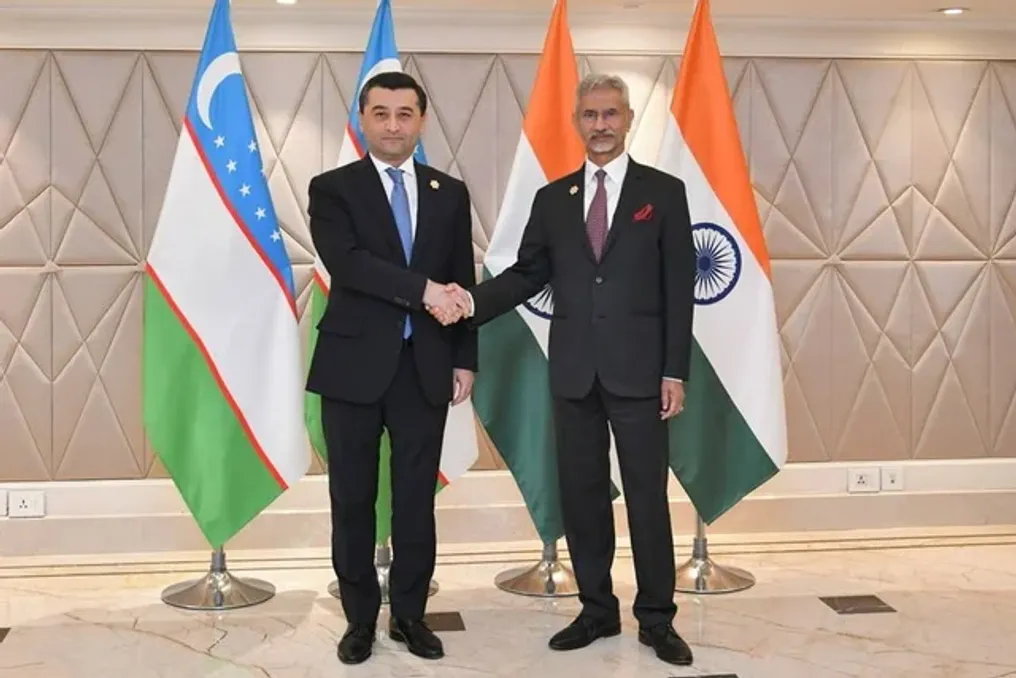
The Foreign Minister of Uzbekistan, Bakhtiyor Saidov, held a telephone conversation with the Foreign Minister of India, Subrahmanyam Jaishankar, on July 20. During the discussion, the sides addressed areas of bilateral cooperation as well as upcoming contacts at the highest and high levels.
Both ministers noted that relations between Uzbekistan and India, based on strategic partnership, are steadily developing in all key areas.
Furthermore, the heads of the foreign ministries exchanged views regarding the schedule of future bilateral events and considered the possibility of further strengthening interaction within international organizations.