For many years, India's energy problem has been about increasing capacity: building more coal power plants, transmission lines, and renewable energy sources. Solar energy has become a prime example of the country's pursuit of clean energy. However, achieving success has created a new complexity.
The Paradox of Solar Growth
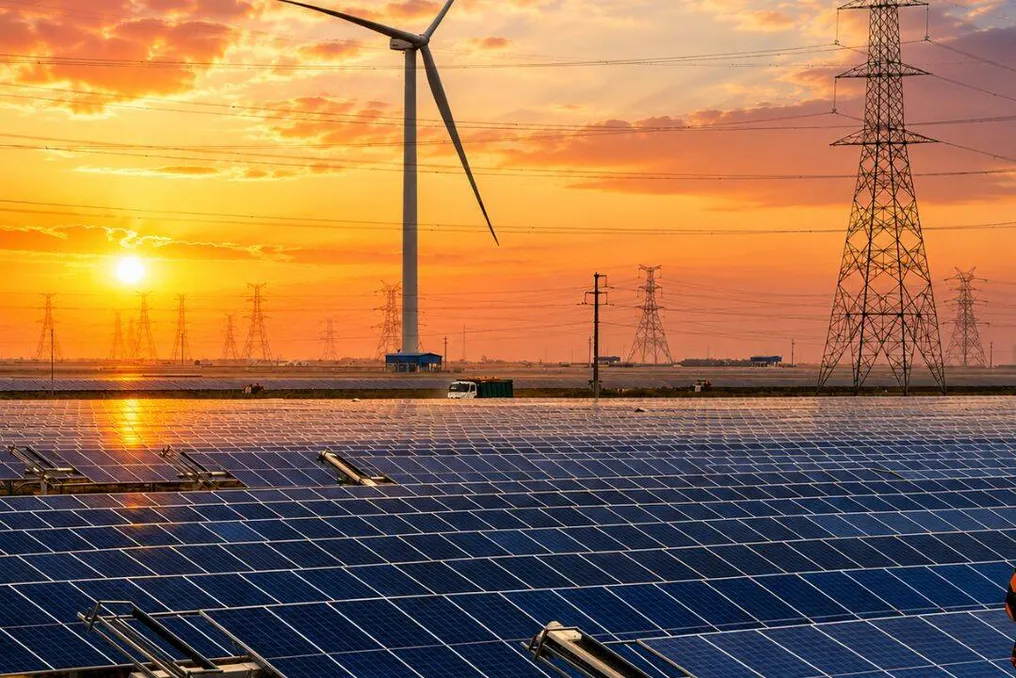
Across India's solar parks, electricity is being generated faster than the existing grid can absorb it. Panels continue to capture abundant sunlight, but not every electron finds a consumer. This paradox—producing surplus clean energy at the wrong time—may define the next phase of India's energy transition.
From Laggard to Energy Giant
The history of solar energy in India represents one of the most significant infrastructure transformations in the country. Most regions of India experience 250–300 sunny days per year, with solar insolation levels ranging from 4 to 7 kWh per square meter per day. According to a recent working paper by the Economic Advisory Council to the Prime Minister (EAC-PM), installed solar capacity has grown from 3 GW in 2014 to approximately 157 GW by May 2026.
According to data from the Press Information Bureau (PIB), solar energy has taken the lead in India's renewable energy portfolio, surpassing other clean energy sources in installed capacity. As per the Renewable Energy Statistics 2026, the country ranks third globally in installed solar capacity, reflecting the speed of technology adoption.
Achievements and Vulnerabilities
This growth has contributed to the transformation of India's broader power supply system. As of October 2025, non-fossil fuel sources provided over half of India's installed electrical capacity, PIB noted. The expansion also supports India's Panchamrit commitments made at COP26, including the goal of achieving 500 GW of non-fossil fuel electricity capacity by 2030 and net-zero emissions by 2070.
Nevertheless, India's greatest success in solar energy has also revealed its weakest point.
Signs of the Problem
Warning signs are becoming increasingly difficult to ignore. In a written reply in Parliament, the Minister for New and Renewable Energy, Shri Pratap Jena Naik, indicated that between April and June, India curtailed 8,133 gigawatt-hours (GWh) of solar power because the grid could not absorb all the generated renewable power. Government data provided to Reuters showed that the curtailment volume increased from 2,417 GWh in April to 3,235 GWh in May, before slightly decreasing to 2,481 GWh in June.
The government attributed these limitations to grid safety requirements and a mismatch between renewable energy projects coming online earlier than the transmission infrastructure needed to carry the power. In essence, India is producing clean electricity that cannot always be delivered to consumers. Government data also shows that about 21 GW of renewable power is currently connected via temporary transmission schemes, and another 12 GW cannot feed full power into the grid due to transmission constraints.
How More Sun Can Strain the Grid
At first glance, the situation seems contradictory. How can a country simultaneously need more renewable energy while asking existing solar plants to reduce output? The answer lies in the principles of electrical system operation. Solar energy generation peaks around noon when sunlight is strongest. However, electricity demand often peaks after sunset, precisely when solar generation begins to decline.
This leads to an widening gap between the time of generation and the time of peak demand. The EAC-PM working paper asserts that India's energy challenge has fundamentally shifted: 'Active grid limitation has moved from generation capacity to flexibility.' The document describes an increasingly pronounced 'whales tail curve' in India—a phenomenon observed in many high-renewable energy systems where solar generation creates a deep dip in daytime demand from traditional power plants, followed by a sharp evening surge after sunset.
What Is Driving This Growth
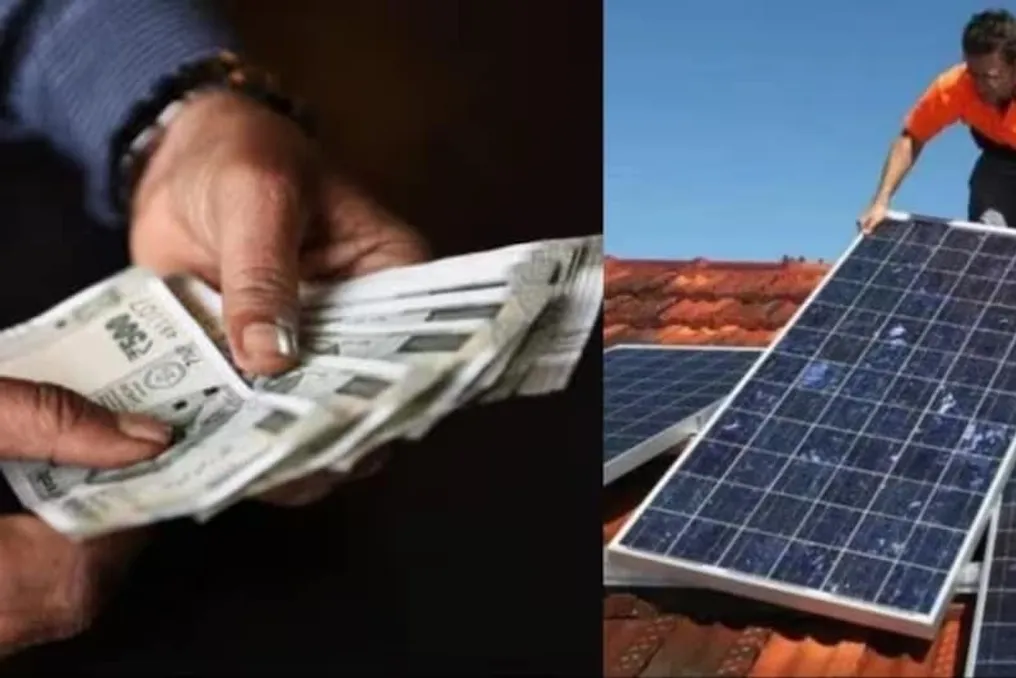
This surge is driven by a combination of ambitious political backing and falling solar energy costs. Flagship government programs, such as PM Surya Ghar: Muft Bijli Yojana, aim to install rooftop solar systems in one hundred million households. By December 2025, 23.9 lakh households had already installed systems with a capacity of about 7 GW, and over ₹13,464 crore had been allocated in subsidies, according to PIB.
Meanwhile, the Production Linked Incentive (PLI) scheme for high-efficiency solar photovoltaic modules, with a total funding of ₹24,000 crore, aims to develop domestic production capacity and reduce import dependence. India has also accelerated the construction of large-scale solar parks and expanded renewable energy procurement through competitive bidding. The result has been an unprecedented increase in capacity. According to the NITI Aayog India Climate and Energy Dashboard, renewable energy capacity grew from 58 GW in 2020–21 to approximately 283 GW by May 2026, with solar energy contributing about 157 GW.
Rapid Transformation of the Power System
Electricity demand itself is growing at an astonishing rate. According to the Central Electricity Authority (CEA), peak demand rose from 190 GW in 2020–21 to approximately 250 GW in 2024–25, and annual electricity consumption increased from 1,276 billion units to 1,694 billion units over the same period. This trend continued: on May 21, 2026, India's grid recorded its highest demand in history, reaching 270.8 GW, according to EAC-PM.
However, on the same day, another striking reality emerged. Electricity traded on the Indian Energy Exchange was selling for only ₹1.56 per unit at 1:00 PM when solar generation flooded the grid. By 6:30 PM after sunset, prices jumped to the market ceiling of ₹10 per unit. India does not suffer from a daytime electricity shortage; it suffers from a post-dusk flexibility deficit.
Another hurdle relates to India's domestic manufacturing ecosystem. Even though the government promotes self-sufficiency in solar equipment, manufacturers face a shortage of local solar cells. According to Reuters, nearly a third of India's small and medium-sized solar module manufacturers have suspended production, while others have reduced working days due to waiting for local cells with lead times up to eight months. Since India still relies on China for importing about 95% of its solar cells, the supply shortage threatens to slow down capacity expansion and increase production costs, exposing the gap between political ambition and manufacturing readiness.
Will the Boom Continue
Almost certainly. India's clean energy goals remain among the world's most ambitious, and the political momentum shows no signs of slowing. Nevertheless, the task is shifting from building generation assets to creating an electrical system capable of handling them. Smoothing even half of the typical summer evening demand ramp would require about 130 GWh of battery discharge, significantly exceeding India's current storage capabilities.
Although pumped hydro storage projects are developing steadily, battery deployment lags significantly behind projections. Recent additions have increased battery energy storage capacity to about 2.7 GW, but a substantial gap remains. Recognizing this, proposed amendments to the Electricity Act and consumer regulations aim to formally integrate energy storage systems into India's power grid, deepen electricity markets, strengthen non-fossil fuel commitments, and accelerate time-of-day tariffs—all aimed at enhancing grid flexibility.
A New Chapter in the Energy Transition
India's solar journey is largely a victim of its own success. The next decade of India's energy transition will be defined less by the number of installed panels and more by the intelligence of the network supporting them. Transmission lines, batteries, storage technologies, flexible markets, and smarter demand management will determine whether India's abundant sunshine translates into reliable clean energy.