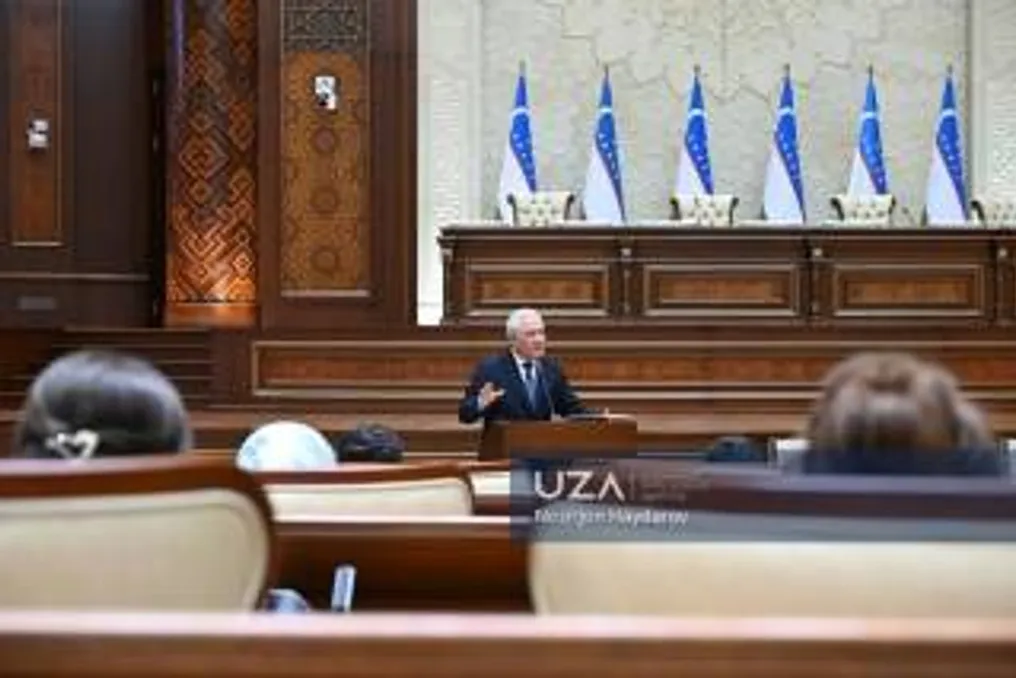
In connection with Youth Day, a meeting was held at the Senate with 45 volunteers from the Academy of Young Volunteers, as well as volunteers from the student associations 'IXLOS' and 'Golden Wing'.
In connection with Youth Day, a meeting was held at the Senate with 45 volunteers from the Academy of Young Volunteers, as well as volunteers from the student associations 'IXLOS' and 'Golden Wing'.
The main focus of the event was to familiarize young people with the work of parliament, enhance their legal knowledge, broaden their understanding of the legislative process, and encourage participation in public administration.
The Chairman of the Senate Committee on Science, Education, and Healthcare, Odiljon Mamatkarimov, provided detailed information about the constitutional powers of the upper house, the process of law review and approval, the activities of committees, and the main directions of parliamentary oversight.
Issues regarding reforms within the state policy towards youth in the country, conditions created for youth education and employment, and measures of state support were also addressed.
During the conversation, comprehensive explanations were given regarding reforms in higher education, science, and innovation, improving the quality of education, developing international cooperation, as well as benefits and opportunities provided by current legislation to ensure the right of persons with disabilities to education.
Volunteers received detailed answers from specialists to their questions concerning education, youth policy, social protection, and parliamentary activities, and they also presented a number of their own suggestions and opinions.
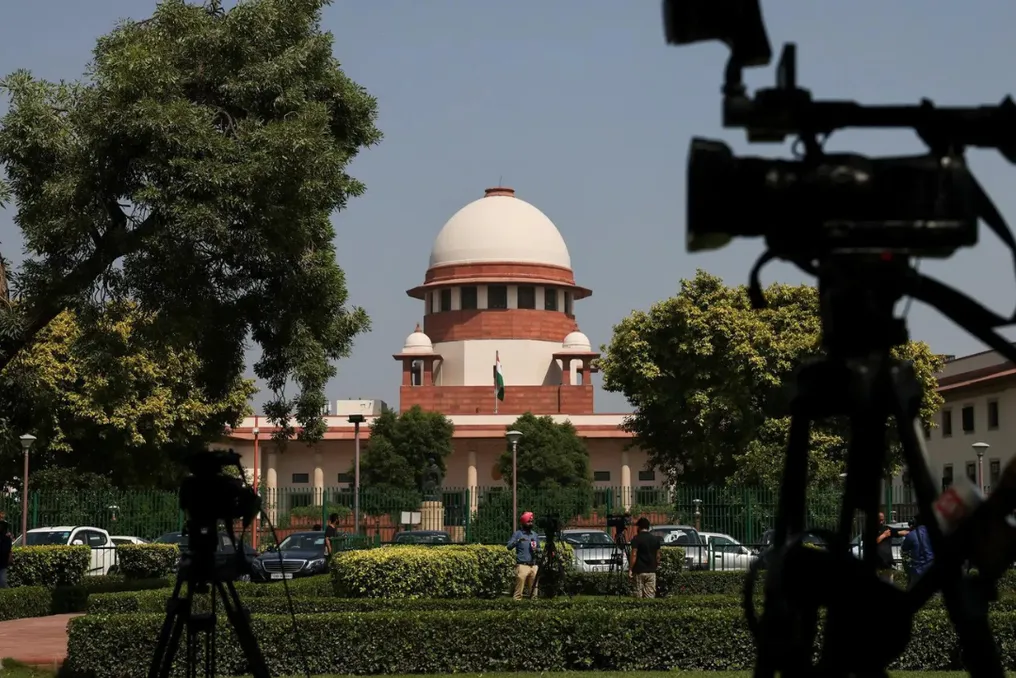
The Supreme Court (SC) has established a new standard for compensation in cases of death caused by stray livestock, especially against the backdrop of an increase in such incidents across the country. In an unprecedented case, the court awarded the family of a man who died in 2007 after being attacked by a bull in Punjab, compensation amounting to 1.5 million rupees.
The judicial panel, comprising judges Sanjay Karol and N. K. Singh, emphasized that government bodies cannot evade responsibility towards citizens who are injured or killed due to stray animals. Consequently, the court mandated all states to develop rules for creating a compensation payment mechanism in the event of accidents involving cattle, regardless of whether the victim was a pedestrian or a vehicle driver.
Furthermore, the court required the government to take measures to control stray animals and to take appropriate action against owners who leave their animals on streets and highways.