Experts strongly recommend that South Africa expand its circle of trading partners to reduce dependence on the United States. This call arose after the US imposed new Section 301 tariffs of its Trade Act of 1974 against several countries, accusing them of insufficient compliance with bans on imports produced by forced labor.
Consequences of Tariff Implementation
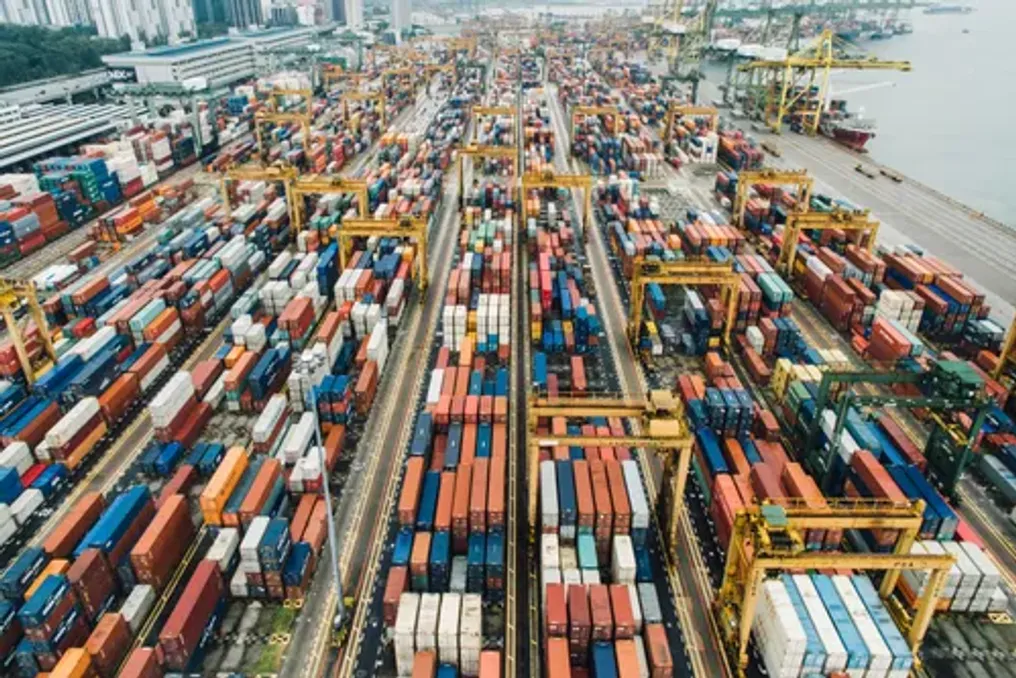
As a result of these measures, South Africa faced a 12.5% duty on exported goods, as it was placed in the top tariff category along with major economies such as China, Japan, and South Korea. Professor Adrian Saville, an expert in economics, finance, and strategy from the University of Pretoria, noted that South Africa is in a vulnerable position since the US purchases about 7% of South Africa's total export volume.
Trade and Regulatory Issues
Saville emphasized that with such a large buyer as the US, a small country has no ability to dictate prices. He also warned that minerals are not a tool for pressure, as platinum group metals and critical minerals are already exempt from restrictions. According to Saville, South Africa is obliged to adopt and then ensure the implementation of the law banning imports produced by forced labor, which Pretoria has already stated its intention to do.
Despite this, an increase in bureaucratic hurdles, such as queues and forms, is expected among neighbors who depend on South Africa for a significant portion of their government revenue. Saville considers it unlikely that Africa as a whole will start purchasing goods from South Africa, pointing out that the total trade volume between African countries last year was about $210 billion, and local markets are not ready to pay American prices for citrus fruits, wine, seafood, and catamarans.
International Institutions and Geopolitics
Experts drew attention to the need to monitor the African Growth and Opportunity Act (AGOA), which expires on December 31, 2026, as South Africa's status under it is being challenged in the Senate. Saville compared the situation to the US acting as judge, jury, and enforcer, noting that the World Trade Organization (WTO) exists to prevent such actions. He mentioned that the WTO previously deemed such tactics illegal when used by Washington against China in 2020, but the subsequent appeal reached an impasse due to the lack of judges in the Appellate Body since 2019.
Furthermore, the International Labour Organization (ILO) cannot offer assistance either, as it has no right to impose fines, and the US has never signed the forced labor convention. Dr. Nolutando Pungula, an international relations expert, stated that trade policy is being used strategically by the US to advance its geopolitical agenda, and South Africa is not avoiding this pressure. She noted that despite tensions between Pretoria and Washington, both sides remain committed to dialogue, and maintaining preferential access benefits both parties.
Calls for Economic Restructuring
Pungula also stressed that the unilateral application of tariffs is a serious obstacle to multilateral institutions like the WTO and ILO, undermining dispute resolution mechanisms. She pointed out that the growing divergence between South Africa's positions and Washington's preferences—including issues concerning the International Court of Justice, BRICS expansion, joint military exercises with Russia and China, and neutrality in the war in Ukraine—highlights the importance of abandoning unilateral dependence.
Dr. Sanelile Gumede, a lecturer at the School of Accounting, Economics, and Finance at the University of KwaZulu-Natal, called on politicians to explore restructuring the South African economy to leverage the growth of other developing countries. He noted that the country's economy is limited by the fact that it primarily trades with English-speaking nations rather than other developing countries. Gumede insists that South Africa needs its own development strategy for Africa, especially for non-English speaking countries and Eastern European countries.
He advised businesses to seek new markets using bilateral trade agreements concluded by the government and to utilize online platforms. Gumede also pointed out that South Africa is not fully utilizing its BRICS+ status, noting that receiving a loan from the World Bank instead of using the BRICS Bank demonstrates a lack of intent to be completely independent of the US. He concluded that South Africa's low growth rate (1.1%) reflects the strong dependence of its economic structure on large developed economies, which requires structural changes, including active participation in the African Continental Free Trade Area (AfCFTA) and conscious membership in BRICS.