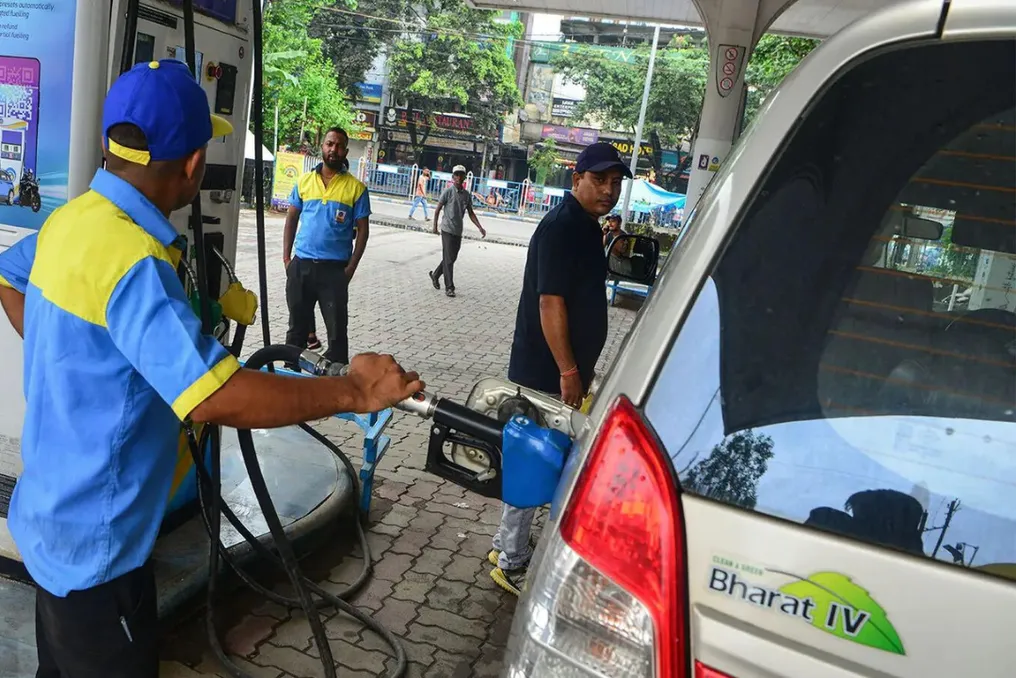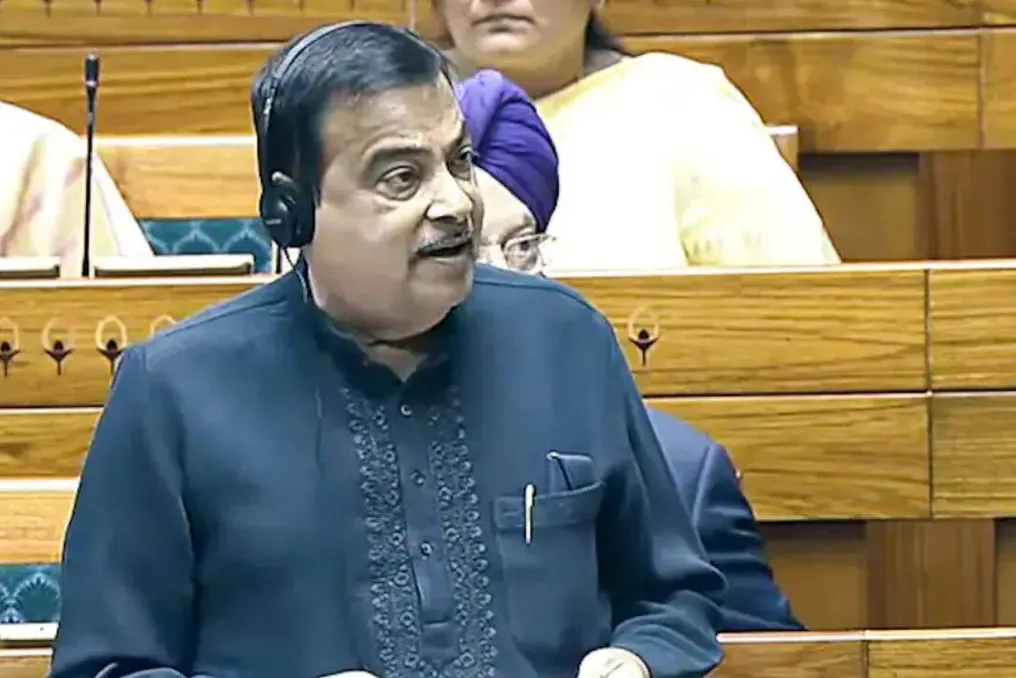
The Minister of Road Transport informed Parliament that the use of gasoline mixed with 20% ethanol (E20) could potentially decrease the fuel efficiency of vehicles by between 2% and 6%. This loss of efficiency depends on the vehicle's category and age, as well as the operating conditions on roads and highways.
Test Results and Advantages of E20
Nitin Gadkari informed Parliament on Thursday, emphasizing that extensive tests have shown no signs of engine failures related to this fuel. In a written response to Lok Sabha, it was stated that joint studies conducted by the Automotive Research Association of India (ARAI), the Society of Indian Automobile Manufacturers (SIAM), and Indian Oil Corporation Ltd (IOCL) indicated that while E20 may slightly reduce consumption, it provides improved acceleration, more comfortable driving, and approximately 30% lower carbon emissions compared to E10 fuel.
Testing Overview and Standards
Gadkari noted that no failures caused by E20 were recorded during dynamic dynamometer tests and road trials. The study assessed the impact of E20 on two- and four-wheeled vehicles running on BS-III, BS-IV, and BS-VI standard gasoline, using standard certification procedures as well as special testing protocols developed in collaboration with Original Equipment Manufacturers (OEMs).
Concerns and Support for Transition
The introduction of E20 gasoline, which is a mixture of 80% gasoline and 20% ethanol, drew criticism from opposition parties and consumer groups. These groups questioned the compatibility of the fuel with older models, potential decreases in economy, rising maintenance costs, and liability in case of engine or fuel system damage. Nevertheless, the government insists that the transition has been gradual and supported by scientific evidence. Automobile manufacturers have also stated that they continue to honor warranty obligations for vehicles running on E20.
Ethanol Blending Program
Gadkari explained that the Ethanol Blended Petrol (EBP) program is being implemented through a phased and consultative process involving NITI Aayog, oil marketing companies, automakers, ARAI, SIAM, the Indian Institute of Petroleum (IIP), and other technical institutions. He recalled that the ethanol blending program in India began as a pilot project in 2001, and E5 fuel was introduced in 2006. After establishing the necessary production capacity, infrastructure, and regulatory framework, the level of ethanol blending, which was around 1.53% in 2013–14, began to rise steadily.
Safety and Operational Experience
According to Gadkari, E15+ fuel has been in use for over three and a half years, and E19-E20 fuel has been used for over two and a half years. More than 200 million two-wheelers and over 30 million passenger cars operate on ethanol-blended fuel without any confirmed evidence of widespread failures or breakdowns caused by ethanol blending. The minister also stated that manufacturer service data confirms the absence of abnormal corrosion, wear, or reduced lifespan of vehicles due to E20, strengthening confidence in its reliability and safety.