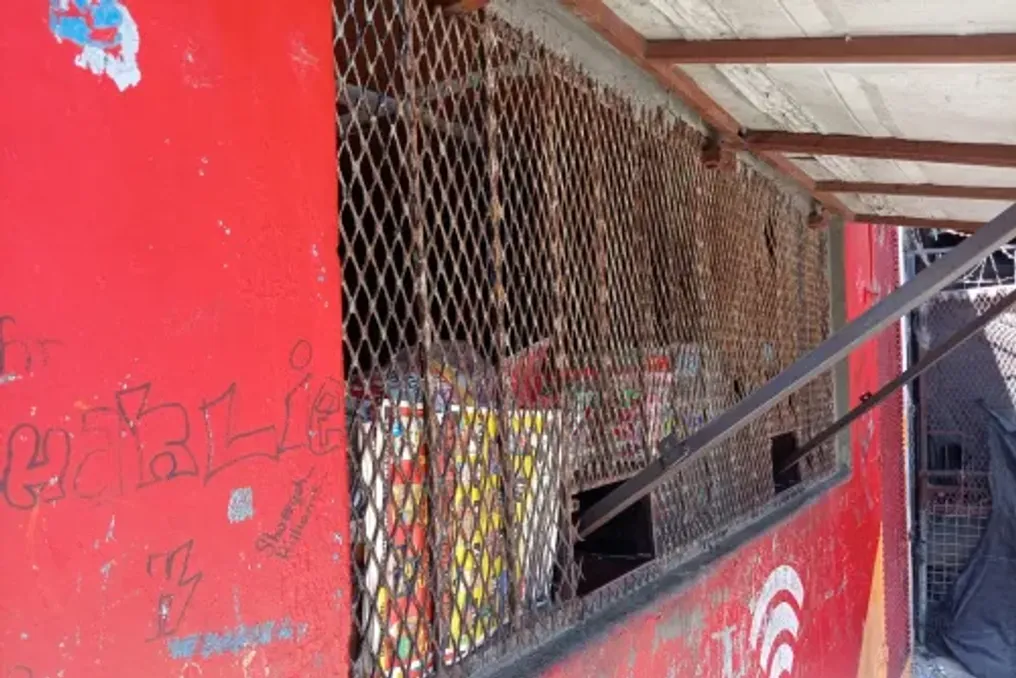
KZN Premier Thami Ntuli reported that the province is striving to encourage South Africans to revitalize this sector while providing them with opportunities for sustainable business operations.
Ownership Distribution in the Sector
Thami Ntuli revealed that nearly 60% of spaza shops in KwaZulu-Natal are owned by foreign nationals. He noted that a study conducted by the KZN Department of Economic Development, Tourism and Environmental Affairs (EDTEA) showed that 57.8% of spaza shops in the province are owned by foreigners, while South Africans own 42.2%.
These statements were made during a spaza shop roundtable in Durban on Tuesday. The event was organized by the provincial government with the participation of Ntuli and the EDTEA Minister, Reverend Musa Zondi.
Reasons for Competitive Advantage
Ntuli attributed the competitive advantage of foreign owners to factors such as wholesale procurement, cooperative business models, connections with wholesalers, and, in some cases, the sale of prohibited goods. He also emphasized that some foreign enterprises operate as cooperatives or have established relationships with specific wholesalers.
He highlighted three key factors: lower product costs, which are often produced under their own brands, the ability to pool funds for wholesale purchases that secure significant discounts, thereby reducing markups and increasing revenue. The government plans to create a formalized system where wholesalers supply goods to local spaza shop owners, including training, mentorship, and support to ensure compliance.
Government Challenges and Initiatives
Ntuli's address came against a backdrop of a series of marches against illegal immigration across the province. He stated that the roundtable aimed to address gaps arising from the lack of documentation among migrants who left some spaza shops, thereby restricting residents' access to essential goods. He clarified that the goal is not to displace owners but to enable people to develop through training and mentorship.
Ntuli also mentioned that thousands of shop owners applied for compliance certificates, but only a small number met the established requirements. Representatives from the KwaZulu-Natal Small Business, Trade and Investment Department (TIKZN) and other financial institutions were present to discuss financial support. The low approval rate, he said, indicates that many local traders are struggling due to compliance requirements.
Geographical Concentration and Conclusions
According to the study, the share of foreign owners is significantly higher in urban and coastal areas. For instance, in eThekwini, foreign owners account for 84.4% of spaza shops, and in uMthatha, it is 77.9%. Ntuli stressed that this high concentration in eThekwini is an important point for understanding. However, the picture differs in other districts where South African ownership predominates, such as in Harrismith (86%).
The agricultural sector of spaza shops in KwaZulu-Natal is valued at 178 billion rand annually, creating jobs and supporting local suppliers. Ntuli asserted that the government needs to understand the business practices contributing to the success of foreign shops, rather than merely observing them. He added that further study of the sector will continue until June 30, 2026, involving municipalities and communities, as the situation must be studied before legislative measures are adopted.