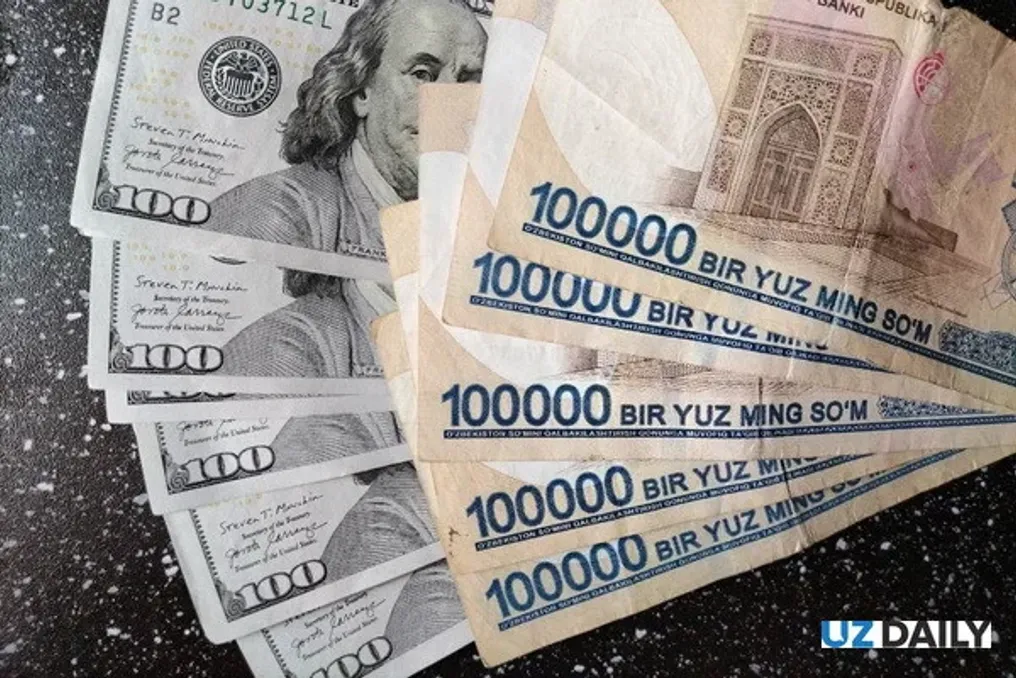
According to analyst Alpari, the Uzbekistani sum ended July with a slight weakening against the US dollar, but its exchange rate remained virtually unchanged since the beginning of 2026.
According to analyst Alpari, the Uzbekistani sum ended July with a slight weakening against the US dollar, but its exchange rate remained virtually unchanged since the beginning of 2026.
According to the analyst, on July 30, the market exchange rate was 12,005 sums per dollar. During the last week, the national currency decreased by 0.29%, while the week before showed strengthening by 0.56%. Overall, throughout July, the sum lost 0.69% against the American currency.
Since the beginning of the year, the exchange rate of the sum to the dollar has decreased by only 0.05%. The analyst noted that the national currency reached its weakest positions in mid-February and its strongest in the first days of July. Anna Bodrova emphasized that the Central Bank's decision to keep the key rate at 14% reflects the regulator's cautious approach amid annual inflation of 6.4% and core inflation of 5.7%.
In the analyst's opinion, high real interest rates continue to restrain domestic demand and maintain the attractiveness of savings in the national currency. Nevertheless, the analyst pointed to persistent external and internal inflationary risks, including rising global commodity prices, high domestic demand, and instability in export revenues partially caused by the suspension of gold supplies. This, in her assessment, increases the importance of capital inflow to maintain currency market stability.
Bodrova believes that the possibility of monetary policy easing remains, but a reduction in the key rate is unlikely until the end of the current year. The base scenario assumes the maintenance of the current rate for a long period, with a possible cautious decrease if core inflation slows down and gold exports recover. The analyst forecasts that in August of next week, the dollar to sum exchange rate will be in the range of 11,950–12,100 sums.
Hot weather will persist in Uzbekistan in August, although the temperature background will gradually decrease compared to July. According to Uzhydromet forecasts, the beginning of the month will be characterized by dryness and high temperatures, while cooler days are possible in the second half of August.
Forecasters note that the average temperature in August in the country is traditionally 1.5–2.5 degrees lower than in July. Nevertheless, August remains one of the hottest months of the year: in most regions, the average daytime temperature stays at 35–37 degrees, and in the desert zone and south, it can reach 38–40 degrees.
During periods of intense heat, the air temperature almost annually rises to 38–39 degrees, and in the southern and desert areas, it is recorded to rise to 41–43 degrees in places. Throughout the history of observations, absolute August records in some regions of the country have reached 44–47 degrees.
According to specialists, the temperature regime in August is changing under the influence of global warming. Data analysis shows that between 1991 and 2020, the average monthly temperature was 1.2–1.5 degrees higher than in the period from 1961 to 1990.
For August 2026, forecasters predict temperatures within the climatic norm. The first days of the month promise to be hot: on August 1–2, the air will warm up to 38–41 degrees, and in the south and desert zone, a rise to 42–43 degrees is expected. After this, the temperature will begin to drop by 3–5 degrees, with daytime temperatures in most regions expected to be 33–38 degrees, and up to 40 degrees in some places.
Closer to the end of the month, a cooler air mass may arrive over the territory of Uzbekistan. Daytime temperatures may drop to 25–30 degrees, and nighttime temperatures may be 12–15 degrees.
August is the driest month in the country. On plain areas, only 1–2 millimeters of precipitation usually fall, and short, light rains are likely mainly in the second half of the month. Nevertheless, forecasters warn that even in August, heavy downpours are possible, as was recorded in some areas in 2020 and 2023, when precipitation significantly exceeded normal levels.
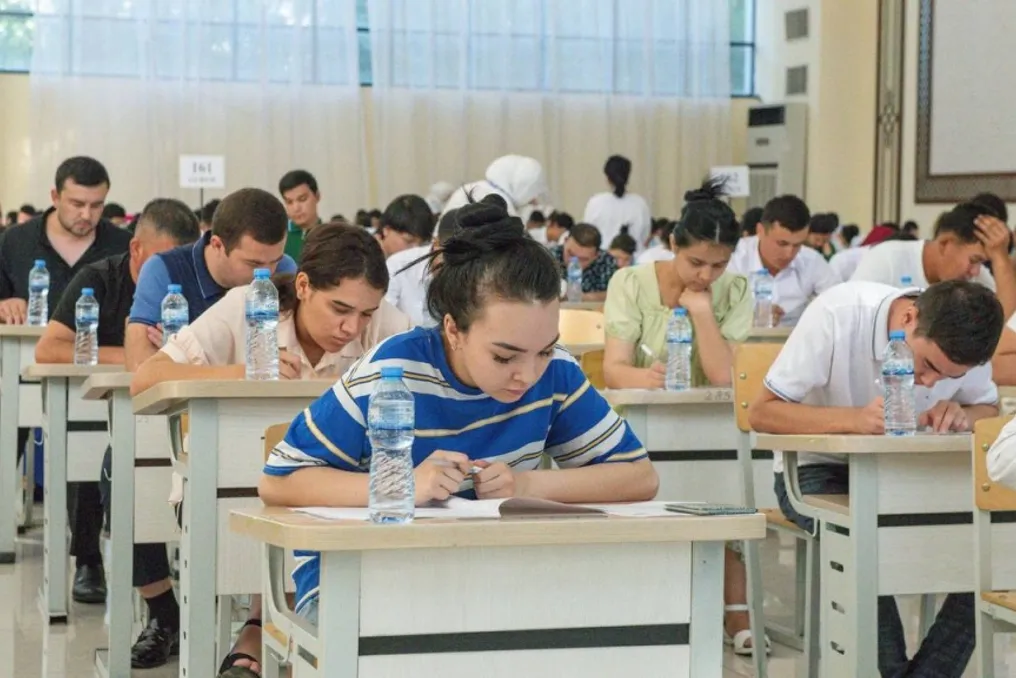
On July 23, the final day of entrance tests for admission to bachelor's programs at state higher education institutions, as well as vocational education institutions, took place in Uzbekistan.
The examination tests were held over ten days, starting from July 14, and were conducted daily in two shifts. Applicants will be able to view the testing results on the relevant specialized websites.
Simultaneously, the document submission period for ninth-grade graduates to academic lyceums has ended, with 49,129 such applications registered. Corresponding entrance exams will soon be organized for these applicants.
The deadline for submitting documents for master's programs is set for July 30, with 37,952 applications received so far. Furthermore, admission to a second higher education will continue until August 10, and 11,605 people have already shown interest in this opportunity.
Applications for re-enrollment and transfer to educational institutions are also accepted until August 5. A total of 16,463 applications were submitted to state universities, while 787 were submitted to private ones.
It was previously announced that in the 2026/2027 academic year, universities in Uzbekistan plan to admit over 234 thousand students for full-time bachelor's studies, which represents an increase of approximately 58% compared to the previous year.