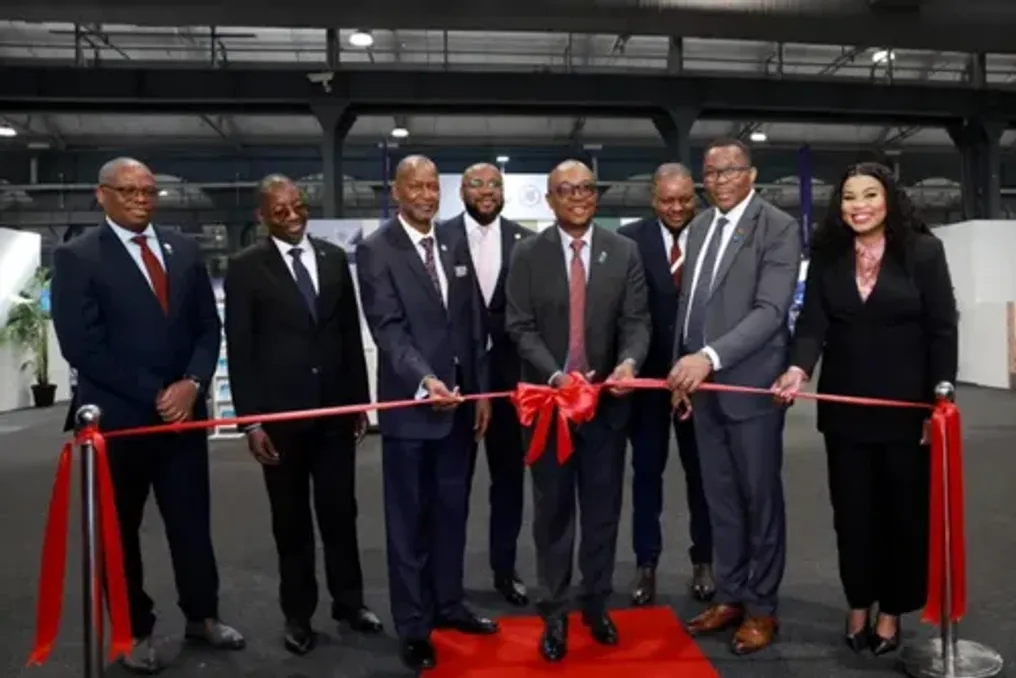
During the opening of the ninth annual South African Development Community (SADC) Industrialization Week in Durban, held at the Durban International Convention Centre on Monday, it was emphasized that industrialization remains the most effective path to economic transformation.
Central Theme of the Summit
This week, Durban hosted the ninth SADC Industrialization Week. Although the event outwardly resembled a standard regional summit where government officials, business delegates, and investors gather for five days of panel discussions and exhibitions, the organizers chose a theme at the heart of one of the continent's most significant economic debates: industrialization based on infrastructure, agriculture, and critical minerals. This debate concerns who will process Africa's minerals and where this processing will take place.
Calls for Raw Material Processing
Trade Minister Parks Tau used his opening address to call on the region to move away from raw material exports and begin investing in deep processing, advanced manufacturing, and regional value chains. This idea reflects current debates across the continent. Just two weeks before the event in Durban, African ministers met in Abidjan at a similar forum organized by the African Development Bank, where the message was almost identical: Africa holds about 30% of the world's reserves of vital minerals such as cobalt, lithium, graphite, rare earth metals, and platinum group metals, yet continues to export most of them in an unprocessed form, receiving only a small share of the profits.
Significance of SADC and Regional Integration
The SADC position is particularly important as it is geographically central to solving the problem. The Democratic Republic of Congo and Zambia possess cobalt and copper, while Zimbabwe has some of the largest lithium reserves on the continent. South Africa has a unique advantage—established chemical processing infrastructure, research institutes, and a partially developed battery materials industry that most of its neighbors lack. No SADC country possesses the complete set of resources—mines, energy, transport, processing capacity, and financing—to independently transform raw materials into finished battery products. It is this gap that regional value chains are intended to fill, which explains the constant mention of 'regional integration' in Africa's mineral strategic documents.
Role of the African Continental Free Trade Area
The mechanism that analysts believe can realize these plans is the African Continental Free Trade Area (AfCFTA). It creates a market with a population of over 1.3 billion people and is projected to increase intra-African mineral exports by approximately 6% by 2035. This will happen mainly due to the ability to move minerals between countries without tariffs, such as cobalt mined in the DRC and processed at a facility in South Africa, instead of each country trying to create its own isolated processing industry.
Takeaways from Industrialization Week
The real test of the Durban Industrialization Week is not the exhibitions or the opening ceremony. More important is whether the panel discussions on infrastructure, agriculture, and critical minerals will lead to something more concrete than what was presented in Abidjan two weeks ago. Over the past year, African ministries have repeatedly stated the need for deep processing, but there have been far fewer actual cross-border investments to translate these statements into functioning regional supply chains. If Durban can transform the consensus reached in conference rooms into signed agreements, it will be significant; otherwise, it will join the growing number of forums repeating the same theses.