State policy in the country is aimed at fully realizing the economic potential of every mahalla, ensuring employment for the population, and increasing family incomes. As part of fundamental reforms, specific tasks have been defined to fully mobilize the internal capabilities of the mahallas, support entrepreneurship, create new jobs, and increase residents' income.
Success Example in Jizzakh
The activities implemented in the mahalla named Amir Temur in the city of Jizzakh clearly demonstrate the effectiveness of the goals set by state leadership. This experience, which might seem like a local process, is actually a model showing what contribution local initiatives can make to national development. Since the reforms first yield results at the mahalla level, their effect then spreads to the district, and from there—to the national level.
Economic Activity and Directions
In the mahalla, where 8334 people live, a full analysis of existing resources was conducted to increase economic activity. The main driving forces identified were agriculture, gardening, greenhouse farming, vegetable cultivation, animal husbandry, and poultry farming. This reflects a systemic approach aimed at ensuring that every family has a source of income.
Infrastructure Development and Support
According to Mahbuba Mamirova, the mahalla assistant, the effective use of geographical location is also an important factor in economic growth. In this regard, the development of service infrastructure along the Uchtepa–Jizzakh–Gallaorol highway is planned. Creating services in trade, public catering, hotels, car services, and car washes will generate additional jobs and strengthen population employment.
Agricultural Production
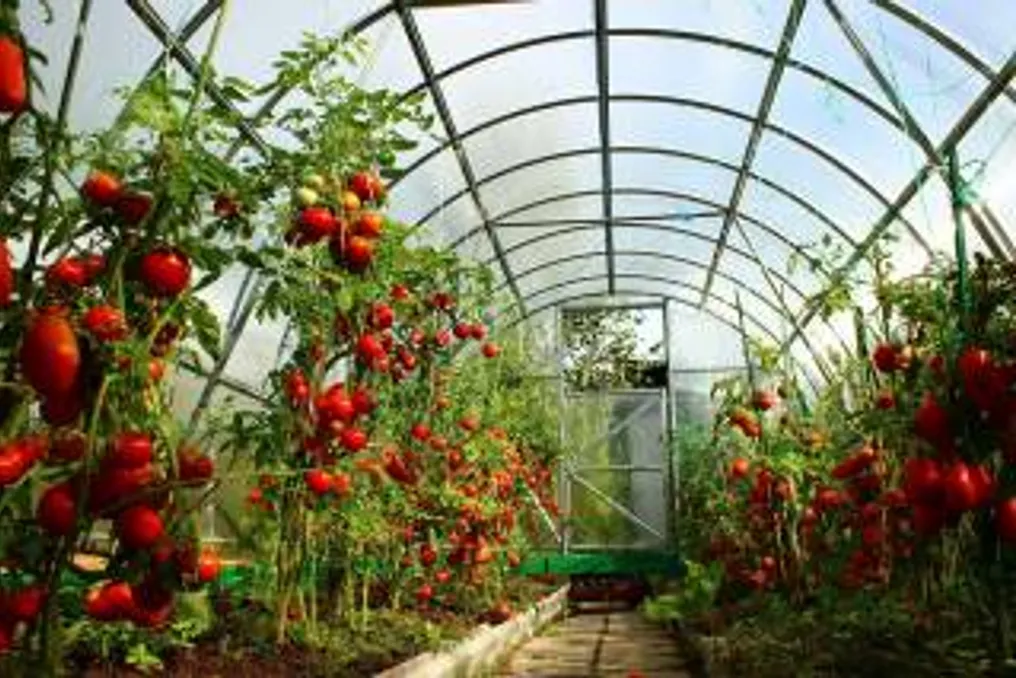
Currently, 56 greenhouse farms are operating in the mahalla, and three hectares of new greenhouses were recently built. This is a logical continuation of systematic work to turn residents' garden plots into high-income production areas. The experience of the Ravshanov family in this mahalla is particularly noteworthy. They grow bodrings in every hundredth of a greenhouse farm, harvesting up to 10–12 kilograms per bush. Direct sale of harvested products through trade channels eliminates the problem of finding additional markets for the population and ensures stable income.
State Support and Ecology
Results achieved through state support also have practical examples. For instance, Sherzod Begmanov had a hundredth of a greenhouse built based on a subsidy, and this year he managed to grow almost a ton of tomatoes. Such cases confirm the possibility of strengthening economic activity by stimulating public initiative. Furthermore, special attention is paid to environmental improvement and expanding green zones. At the initiative of the mayor's office, a modern flower greenhouse covering 40 hundredths of a hectare was created, where hundreds of thousands of flower seedlings are grown, contributing to the greening of the city of Jizzakh while ensuring ecological sustainability alongside economic benefit.
Social Protection of the Population
Targeted measures are also being carried out in the field of social protection. Employment was provided to 45 women from the 'Women's Passport,' and nine of them were granted preferential loans. Three of these women opened greenhouse farms, while the rest received permanent jobs in trade, sewing, and handicrafts. It is also evident that the mechanism of targeted social protection in the mahalla is working consistently, as loans and social assistance are provided to citizens included in the 'Youth Passport' and the social register.
Prospects for Mahalla Development
The activity carried out in the Amir Temur mahalla is not just the experience of one district. It is an effective model suitable for dissemination across the republic, concerning employment provision, support for entrepreneurship, increasing the income of every family, and reducing poverty. After all, the development of New Uzbekistan begins with the mahalla, and any advanced initiative tested at the local level only reveals its true potential with wide application on a national scale.